
Making a splash
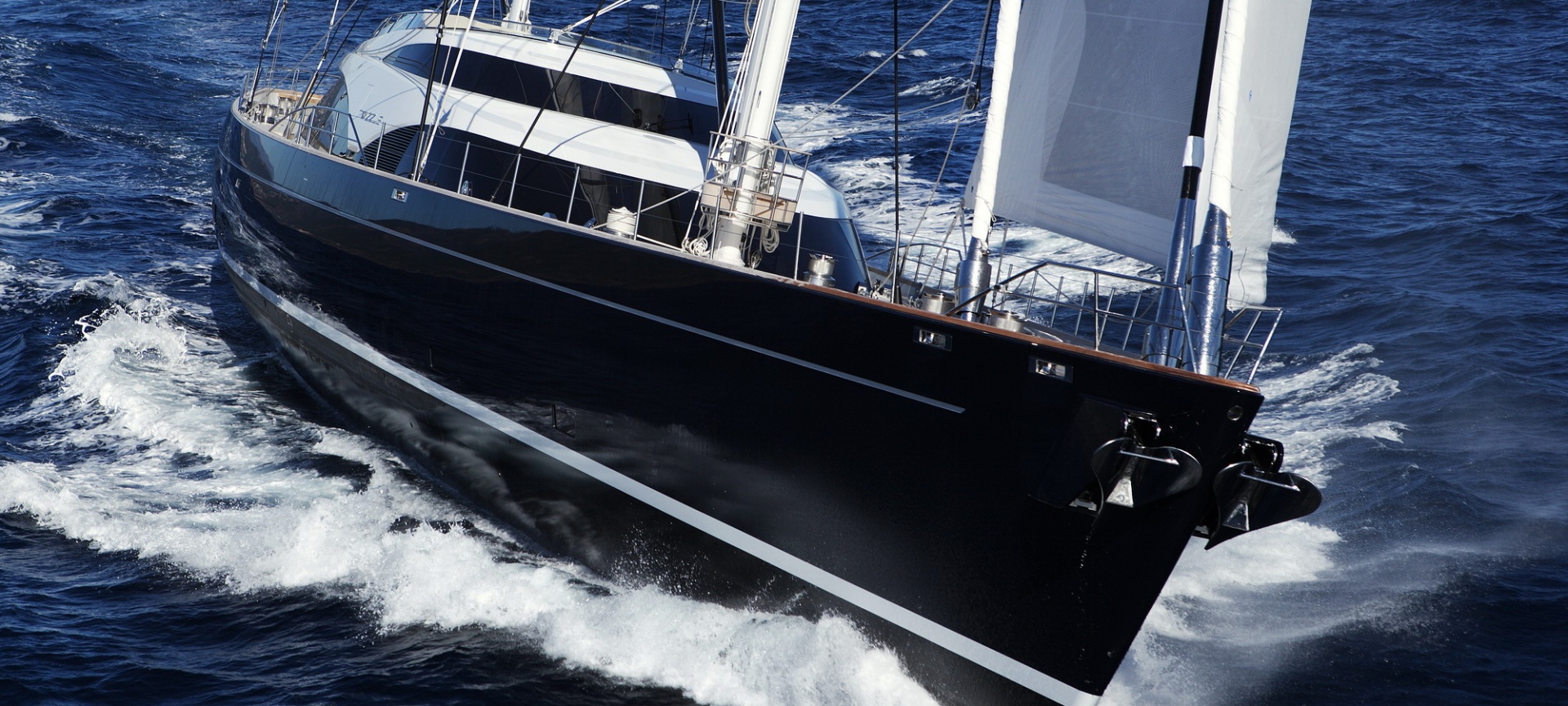
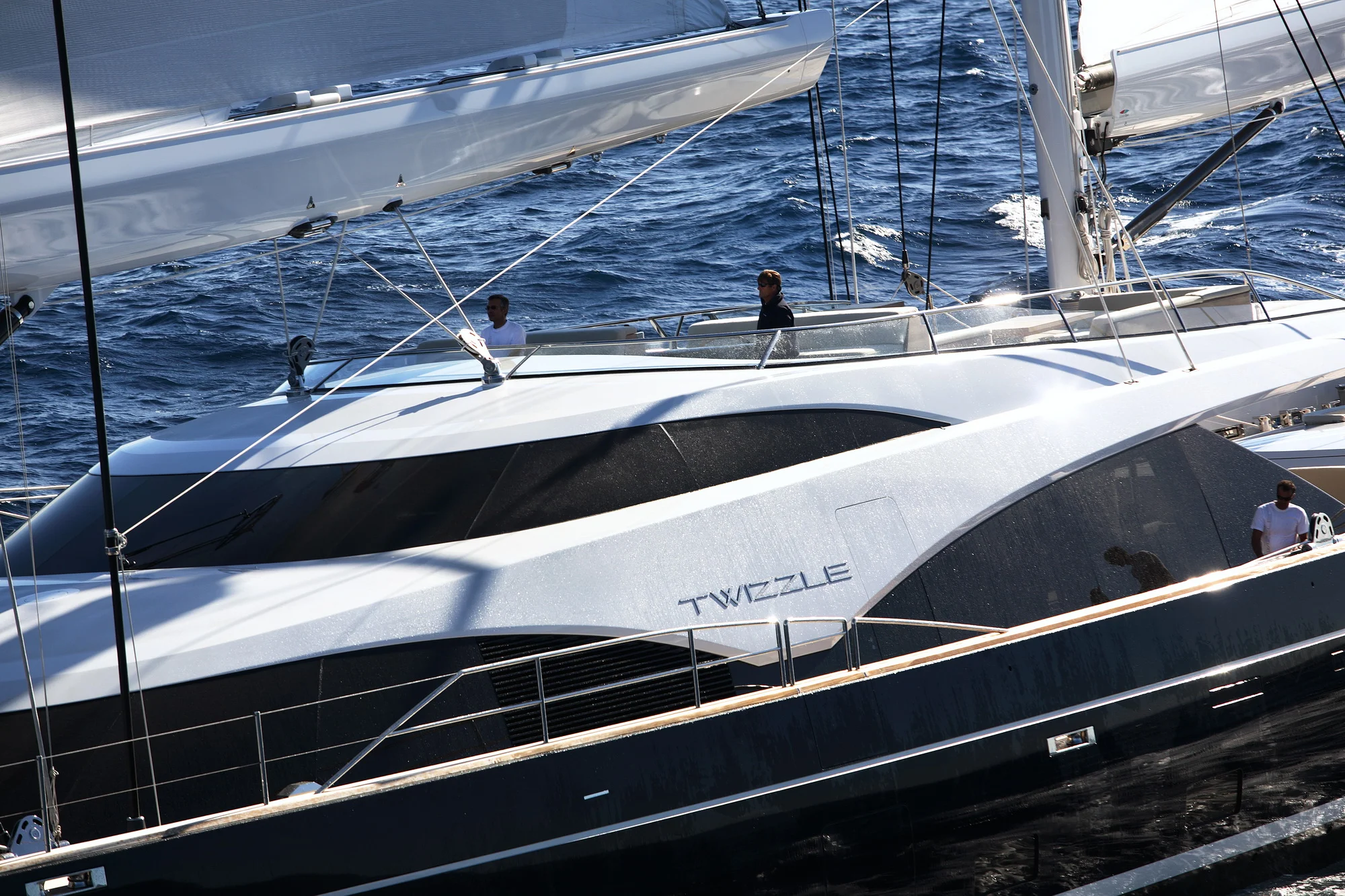
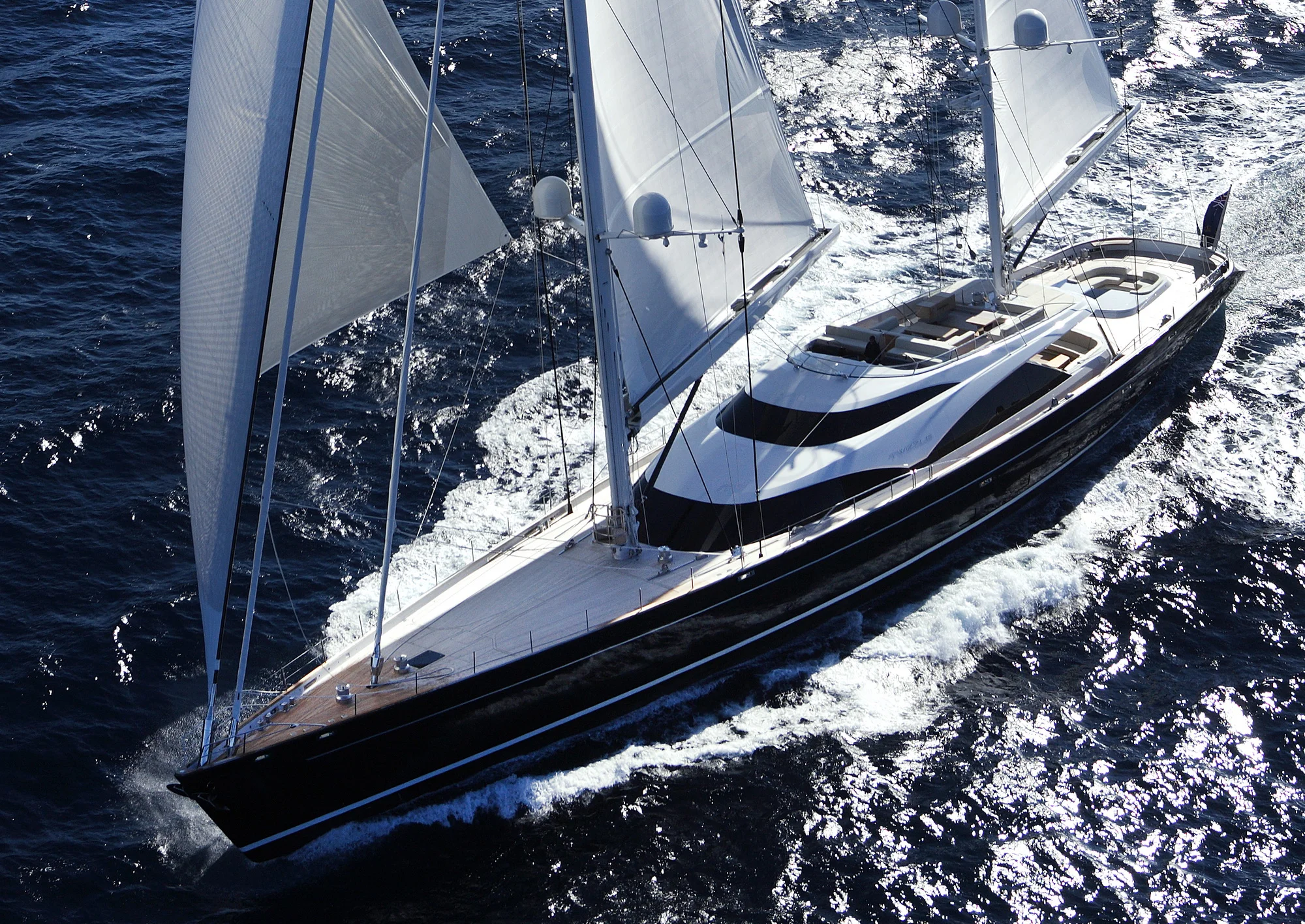
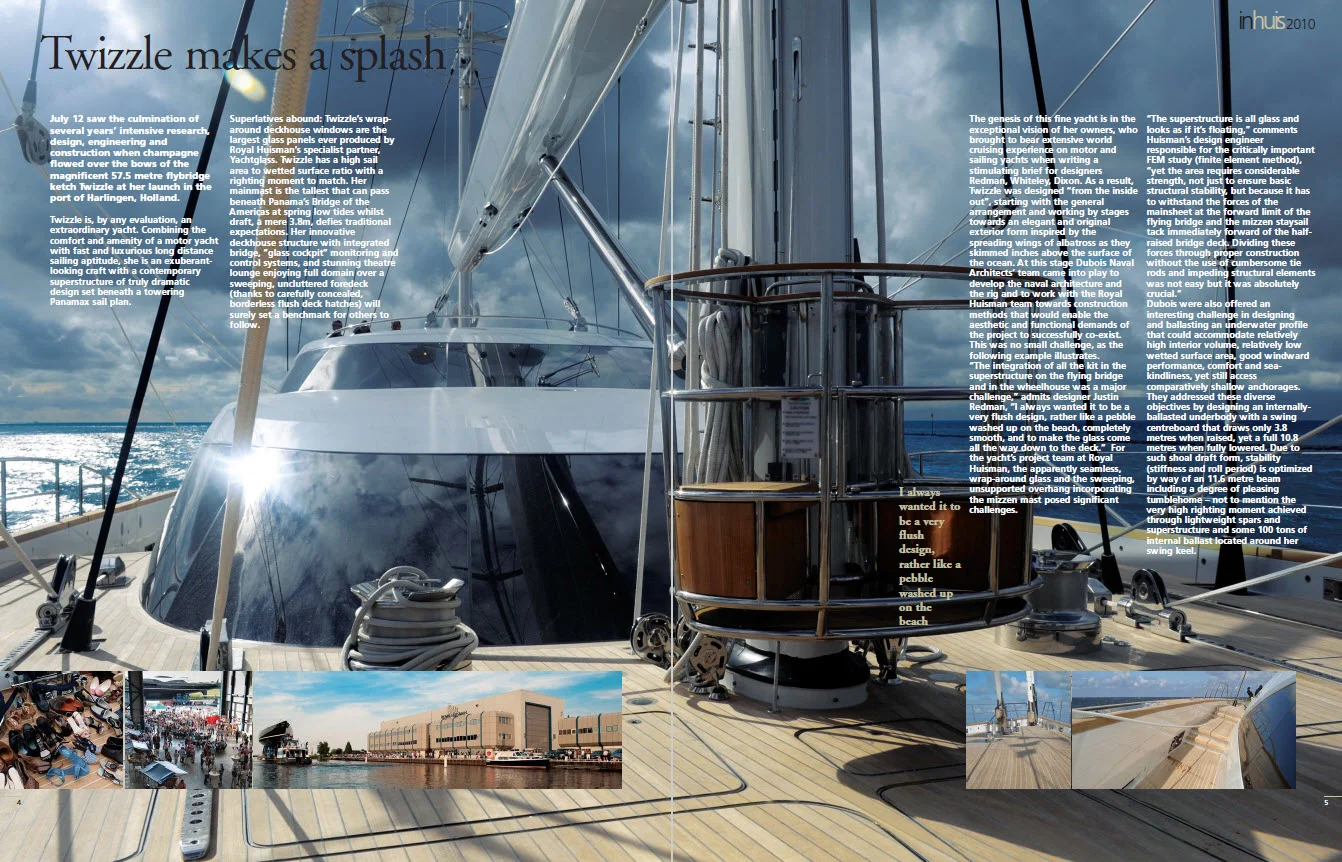
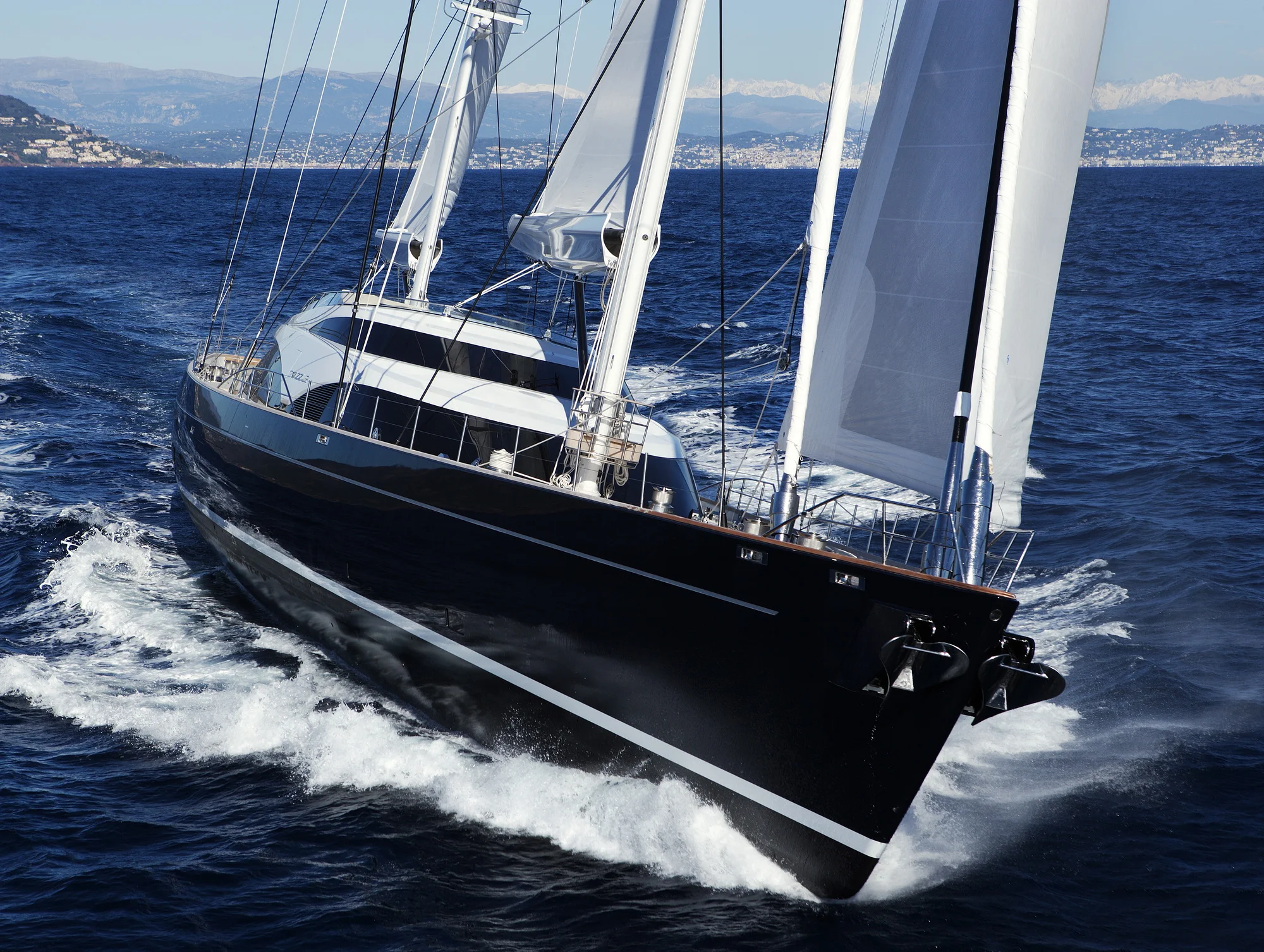
The magnificent flybridge ketch Twizzle is, by any evaluation, an extraordinary yacht. Combining the comfort and amenity of a motor yacht with fast and luxurious long distance sailing aptitude, she is an exuberant looking craft with a contemporary superstructure of truly dramatic design set beneath a towering Panamax sail plan.
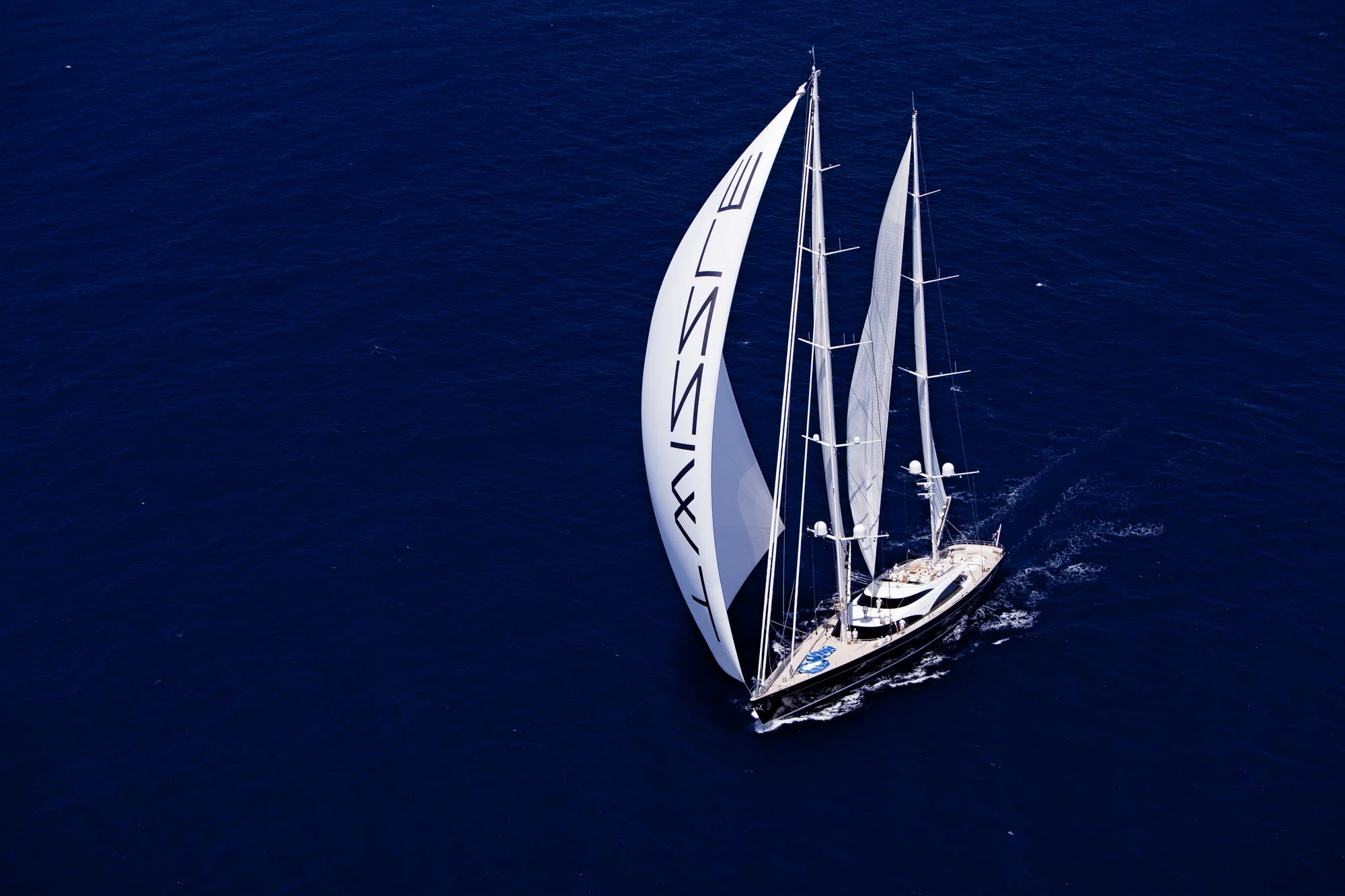
Superlatives abound: Twizzle’s wraparound deckhouse windows are the largest glass panels ever produced by Royal Huisman’s specialist partner. Twizzle has a high sail area to wetted surface ratio with a righting moment to match. Her mainmast is the tallest that can pass beneath Panama’s Bridge of the Americas at spring low tides whilst draft, a mere 3.8m, defies traditional expectations.
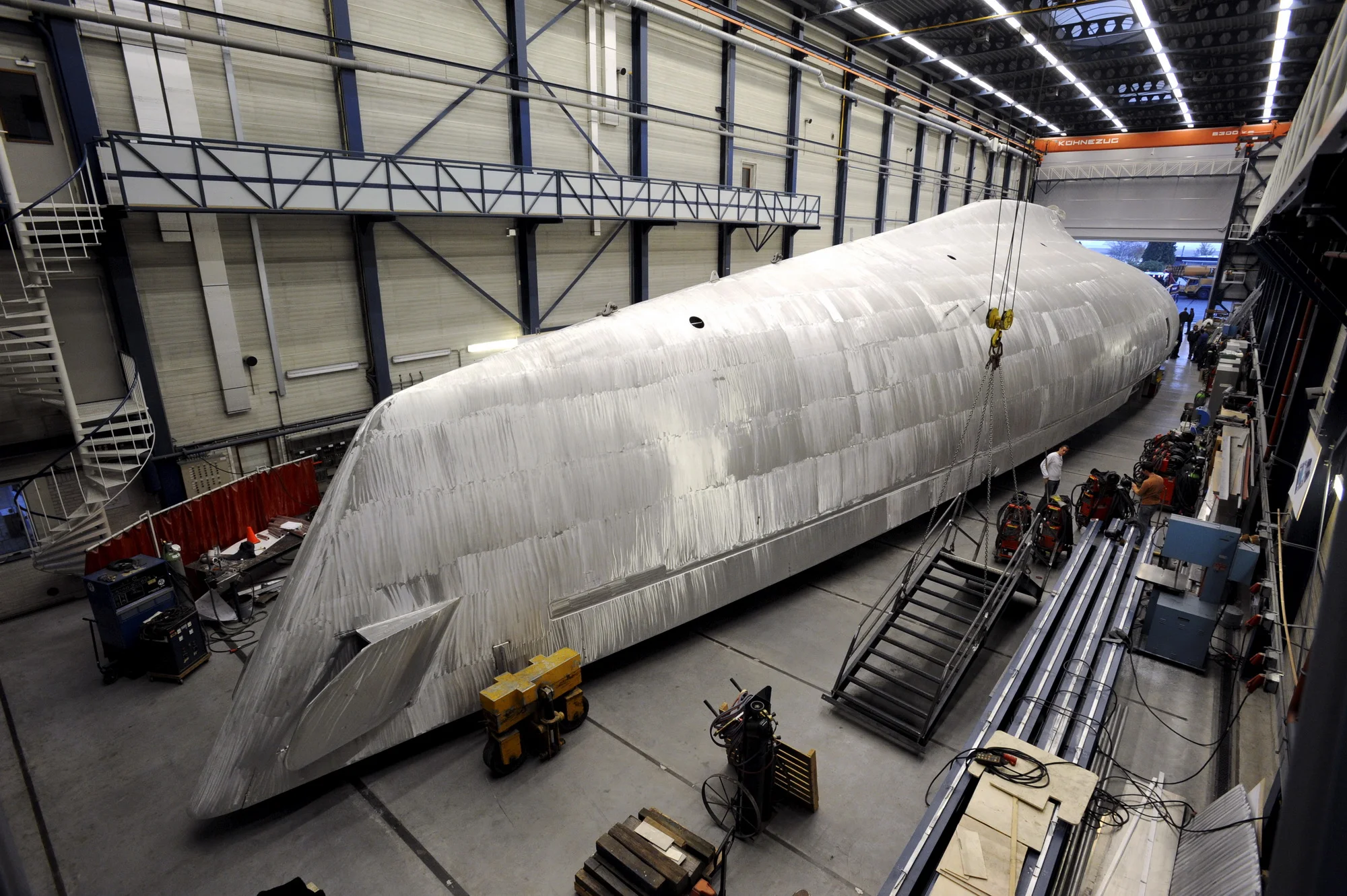
Her innovative deckhouse structure with integrated bridge, “glass cockpit” monitoring and control systems, and stunning theatre lounge enjoying full domain over a sweeping, uncluttered foredeck (thanks to carefully concealed, borderless flush deck hatches) will surely set a benchmark for others to follow.
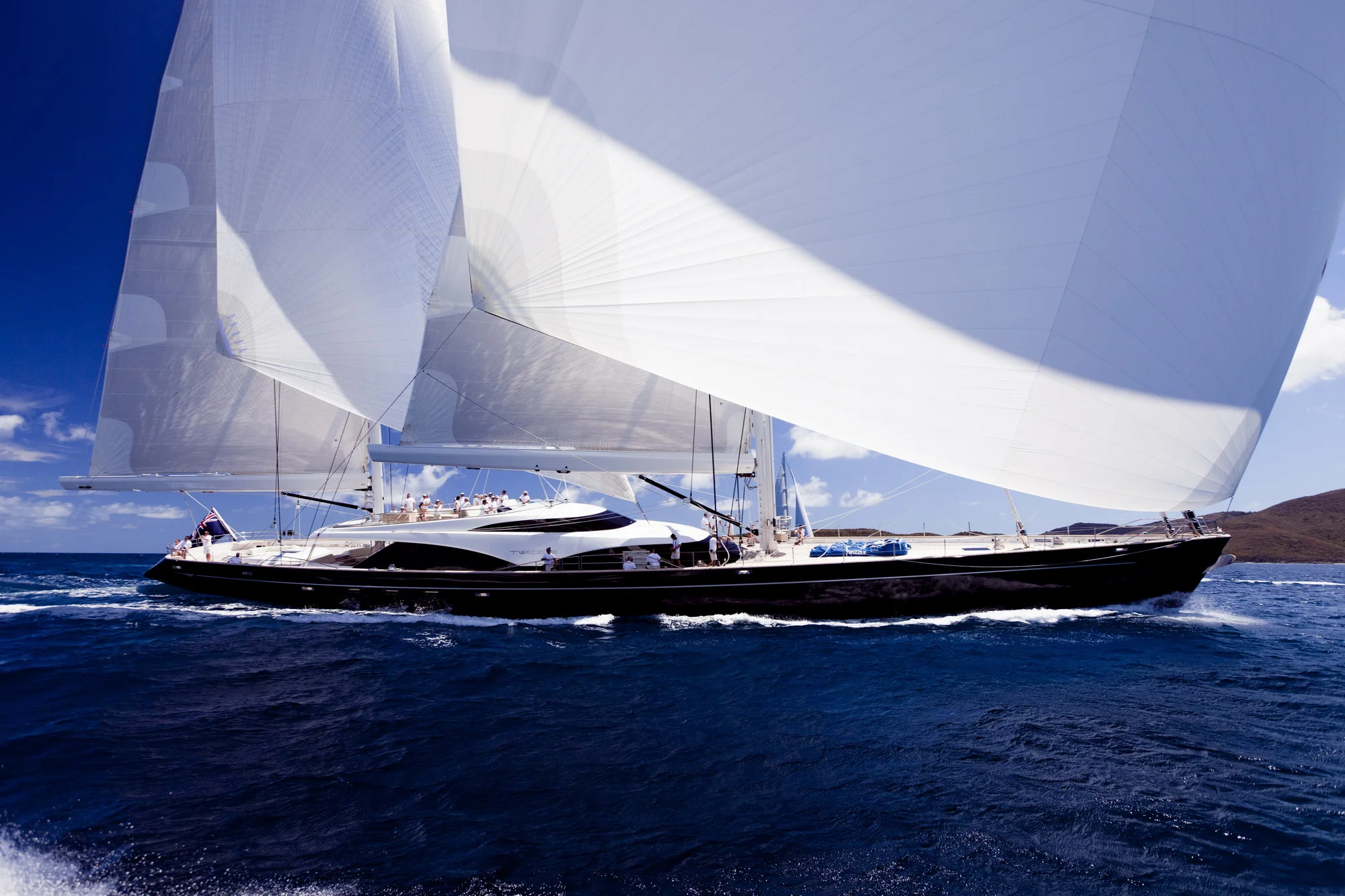
“I always wanted it to be a very flush design, rather like a pebble washed up on the beach”
At this stage Dubois Naval Architects’ team came into play to develop the naval architecture and the rig and to work with the Royal Huisman team towards construction methods that would enable the aesthetic and functional demands of the project to successfully co-exist. This was no small challenge, as the following example illustrates. “The integration of all the kit in the superstructure on the flying bridge and in the wheelhouse was a major challenge,” admits designer Justin Redman, “I always wanted it to be a very flush design, rather like a pebble washed up on the beach, completely smooth, and to make the glass come all the way down to the deck.” For the yacht’s project team at Royal Huisman, the apparently seamless, wrap-around glass and the sweeping, unsupported overhang incorporating the mizzen mast posed significant challenges.
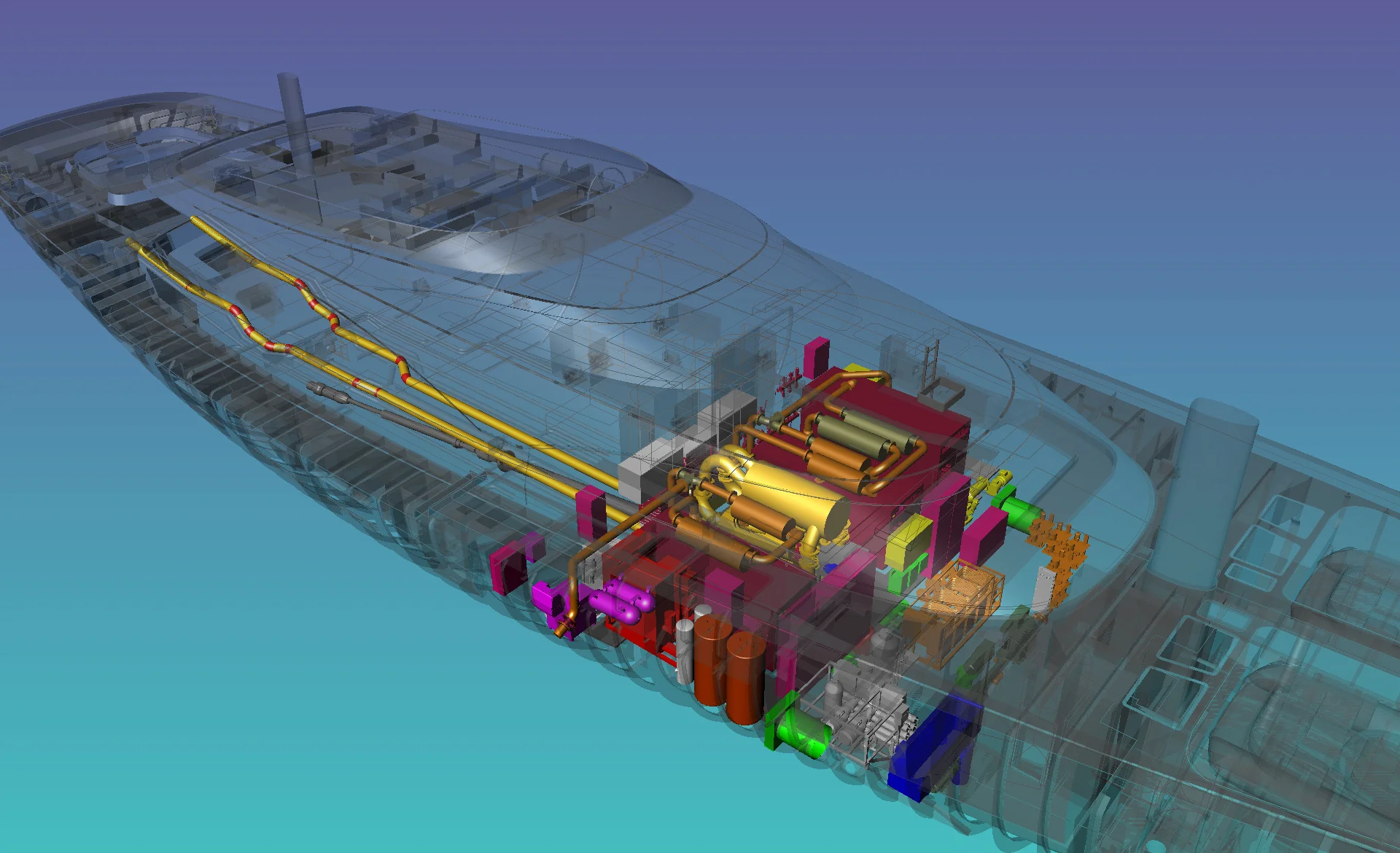
“The superstructure is all glass and looks as if it’s floating,” comments Huisman’s design engineer responsible for the critically important FEM study (Finite Element Method), “yet the area requires considerable strength, not just to ensure basic structural stability, but because it has to withstand the forces of the mainsheet at the forward limit of the flying bridge and the mizzen staysail tack immediately forward of the half raised bridge deck. Dividing these forces through proper construction without the use of cumbersome tie rods and impeding structural elements was not easy but it was absolutely crucial.”
Dubois were also offered an interesting challenge in designing and ballasting an underwater profile that could accommodate relatively high interior volume, relatively low wetted surface area, good windward performance, comfort and sea kindliness, yet still access comparatively shallow anchorages. They addressed these diverse objectives by designing an internally ballasted underbody with a swing centreboard that draws only 4m / 13ft when raised, yet a full 11m / 36ft when fully lowered. Due to such shoal draft form, stability (stiffness and roll period) is optimized by way of an 12m / 39ft beam including a degree of pleasing tumblehome – not to mention the very high righting moment achieved through lightweight spars and superstructure and some 100 tons of internal ballast located around her swing keel.
Featured highlights
Twizzle has an extraordinary spectrum of special features.
Here are just a few highlights:
Custom rudder feedback system
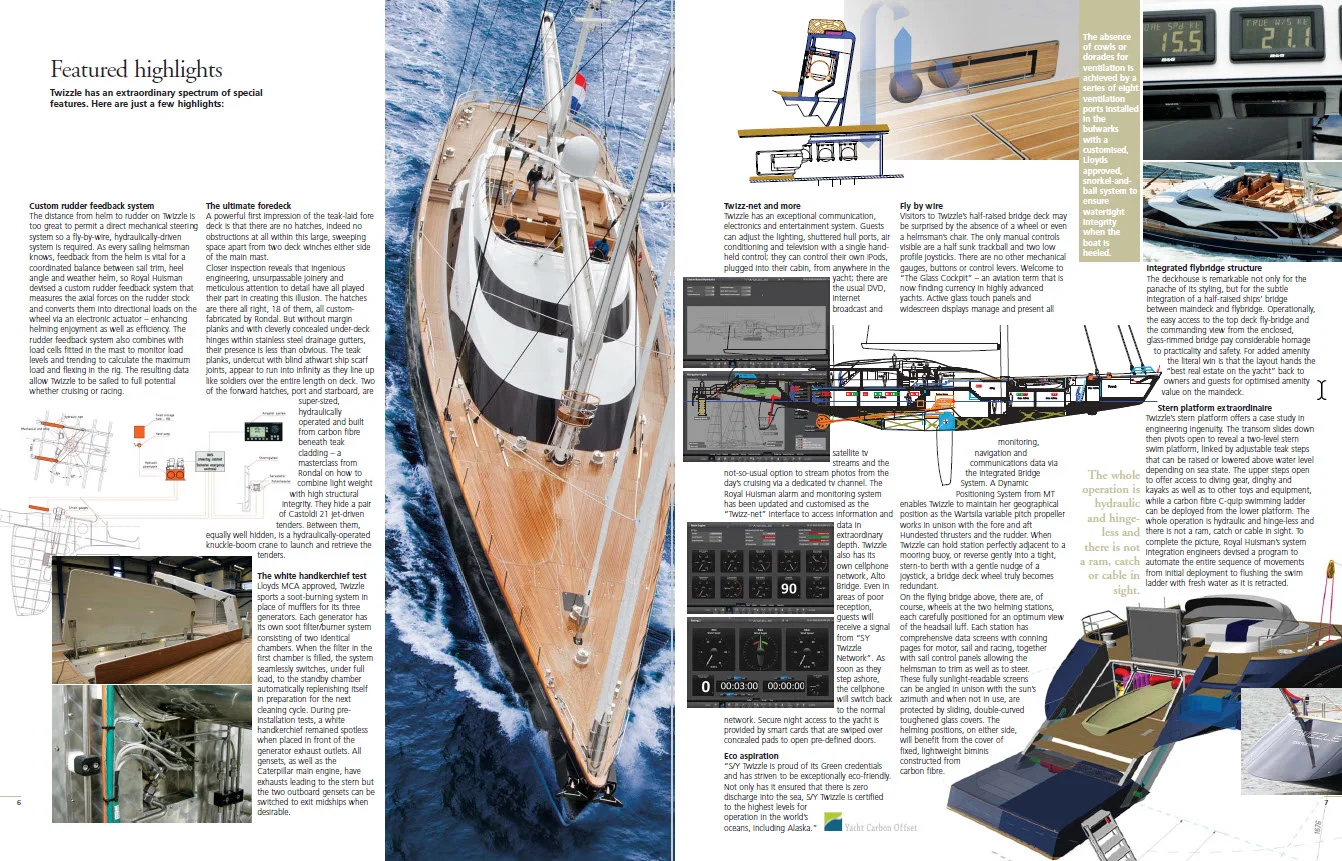
The distance from helm to rudder on Twizzle is too great to permit a direct mechanical steering system so a fly-by-wire, hydraulically-driven system is required. As every sailing helmsman knows, feedback from the helm is vital for a coordinated balance between sail trim, heel angle and weather helm, so Royal Huisman devised a custom rudder feedback system that measures the axial forces on the rudder stock and converts them into directional loads on the wheel via an electronic actuator – enhancing helming enjoyment as well as efficiency. The rudder feedback system also combines with load cells fitted in the mast to monitor load levels and trending to calculate the maximum load and flexing in the rig. The resulting data allow Twizzle to be sailed to full potential whether cruising or racing.
The ultimate foredeck
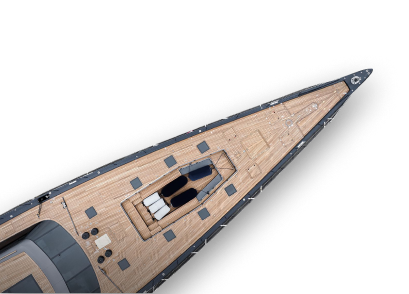
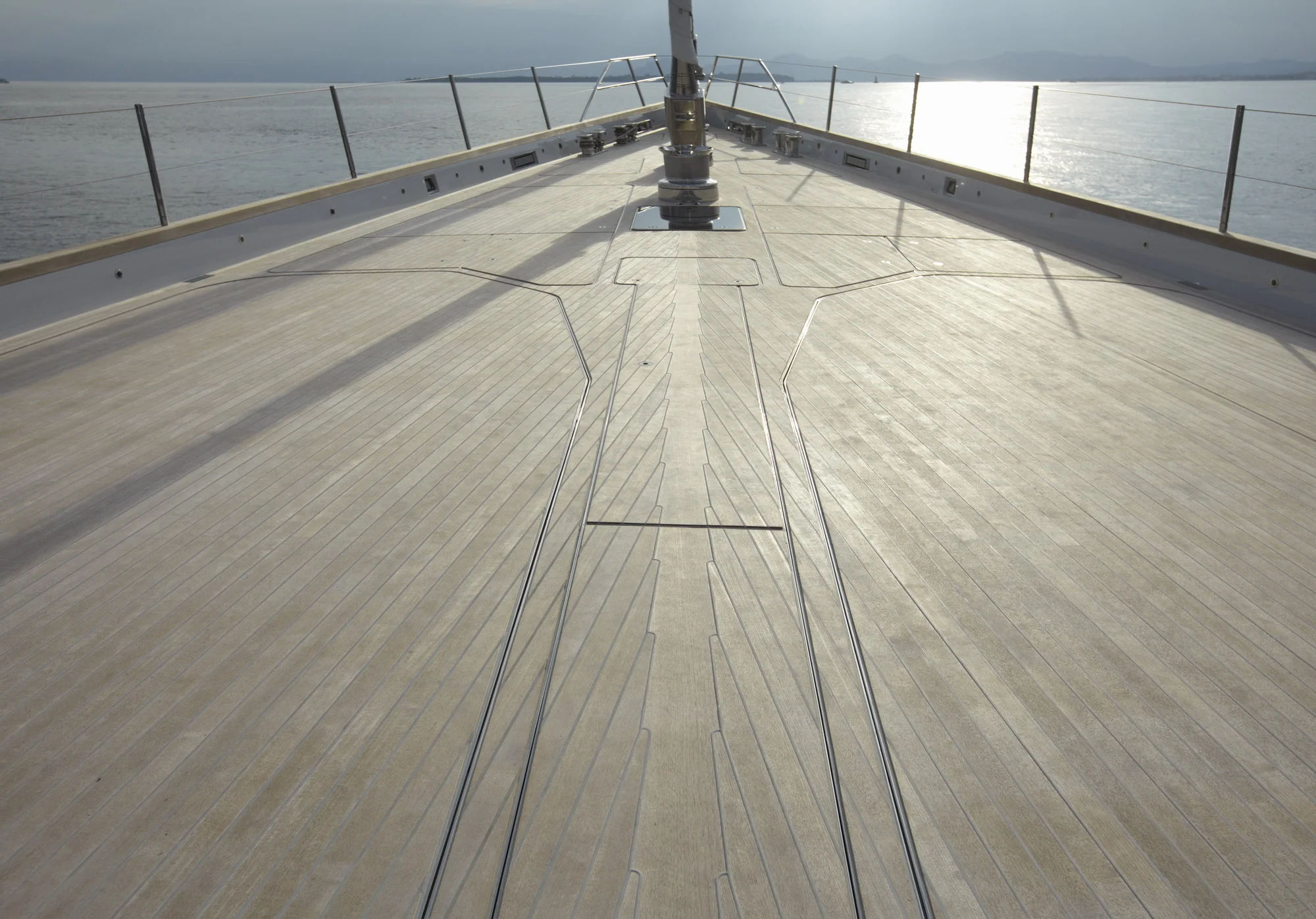
A powerful first impression of the teak-laid fore deck is that there are no hatches, indeed no obstructions at all within this large, sweeping space apart from two deck winches either side of the main mast.
Closer inspection reveals that ingenious engineering, unsurpassable joinery and meticulous attention to detail have all played their part in creating this illusion. The hatches are there all right, 18 of them, all custom fabricated by Rondal. But without margin planks and with cleverly concealed under-deck hinges within stainless steel drainage gutters, their presence is less than obvious. The teak planks, undercut with blind athwart ship scarf joints, appear to run into infinity as they line up like soldiers over the entire length on deck.
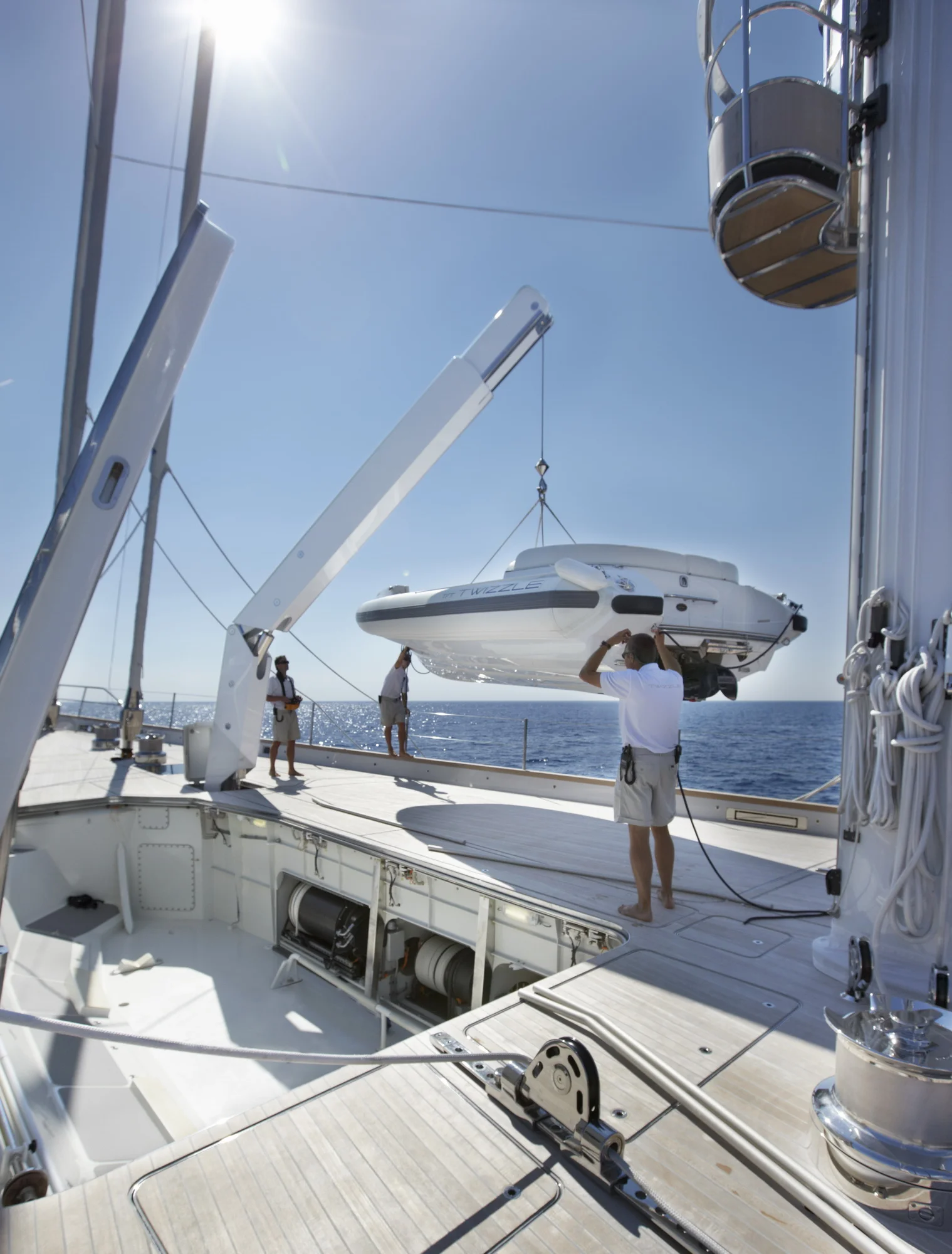
Two of the forward hatches, port and starboard, are super-sized, hydraulically operated and built from carbon fibre beneath teak cladding – a masterclass from Rondal on how to combine light weight with high structural integrity. They hide a pair of 6m / 21ft jet-driven tenders. Between them, equally well hidden, is a hydraulically-operated knuckle-boom crane to launch and retrieve the tenders.
The white handkerchief test
Lloyds MCA approved, Twizzle sports a soot-burning system in place of mufflers for its three generators. Each generator has its own soot filter/burner system consisting of two identical chambers. When the filter in the first chamber is filled, the system seamlessly switches, under full load, to the standby chamber automatically replenishing itself in preparation for the next cleaning cycle.
During pre-installation tests, a white handkerchief remained spotless when placed in front of the generator exhaust outlets. All gensets, as well as the Caterpillar main engine, have exhausts leading to the stern but the two outboard gensets can be switched to exit midships when desirable.
Twizz-net and more
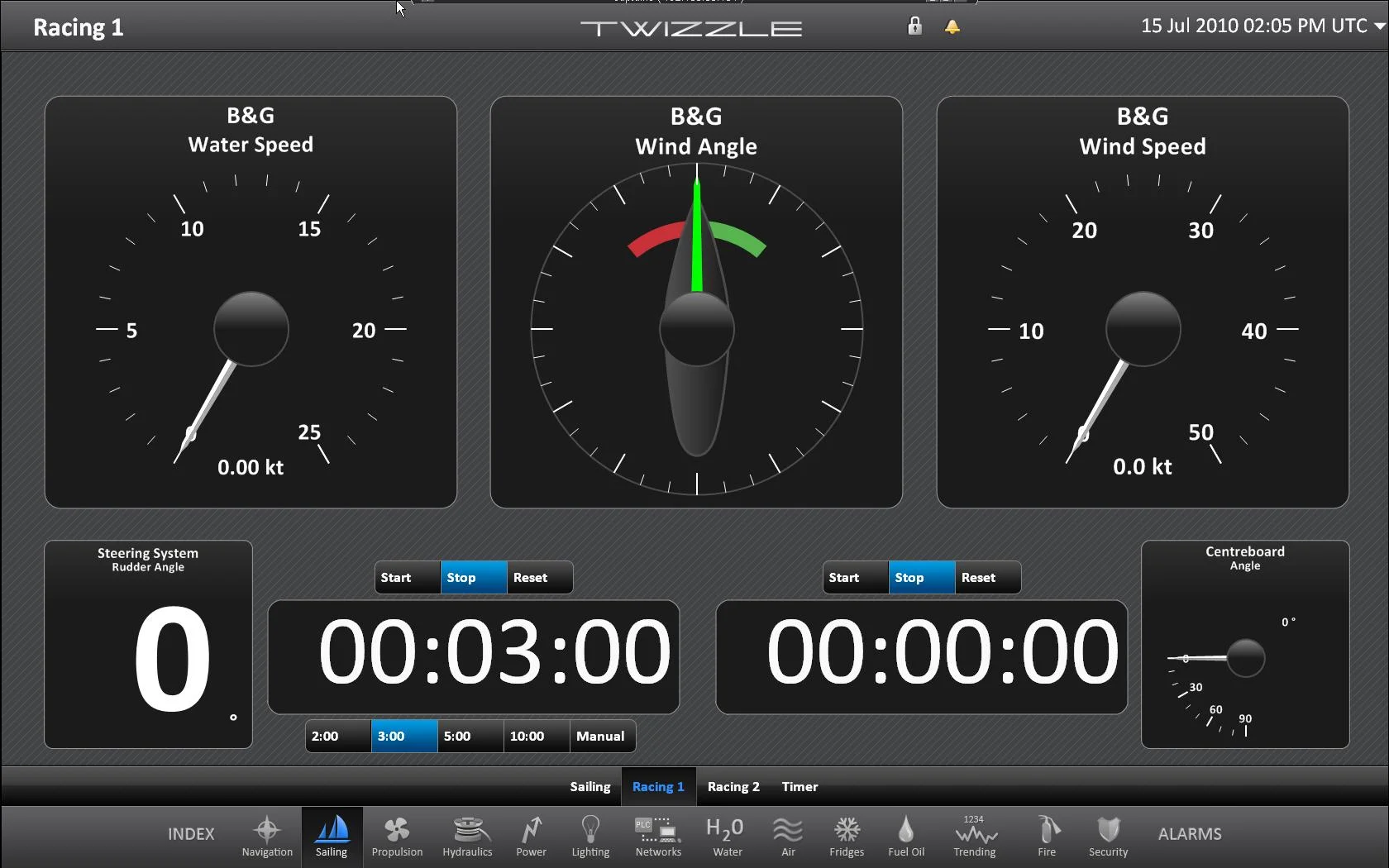
Twizzle has an exceptional communication, electronics and entertainment system. Guests can adjust the lighting, shuttered hull ports, air conditioning and television with a single handheld control; they can control their own iPods, plugged into their cabin, from anywhere in the yacht; there are the usual DVD, internet broadcast and satellite tv streams and the not-so-usual option to stream photos from the day’s cruising via a dedicated tv channel. The Royal Huisman alarm and monitoring system has been updated and customised as the “Twizz-net” interface to access information and data in extraordinary depth. Twizzle also has its own cellphone network, Alto Bridge. Even in areas of poor reception, guests will receive a signal from “SY Twizzle Network”. As soon as they step ashore, the cellphone will switch back to the normal network. Secure night access to the yacht is provided by smart cards that are swiped over concealed pads to open pre-defined doors.
Eco aspiration
The team of Yacht Carbon Offset: “Twizzle is proud of its Green credentials and has striven to be exceptionally eco-friendly. Not only has it ensured that there is zero discharge into the sea, Twizzle is certified to the highest levels for operation in the world’s oceans, including Alaska.”
Fly by wire
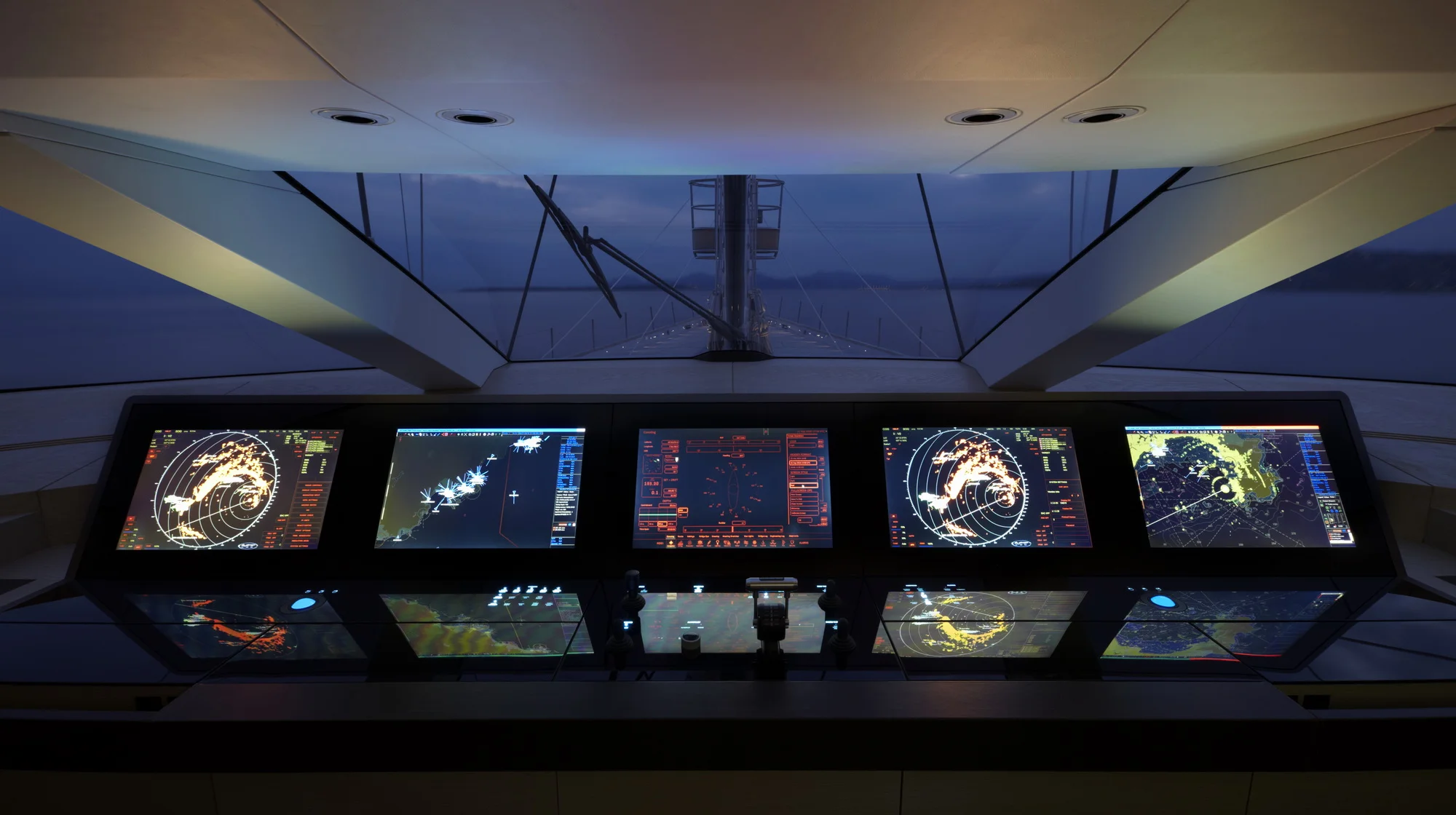
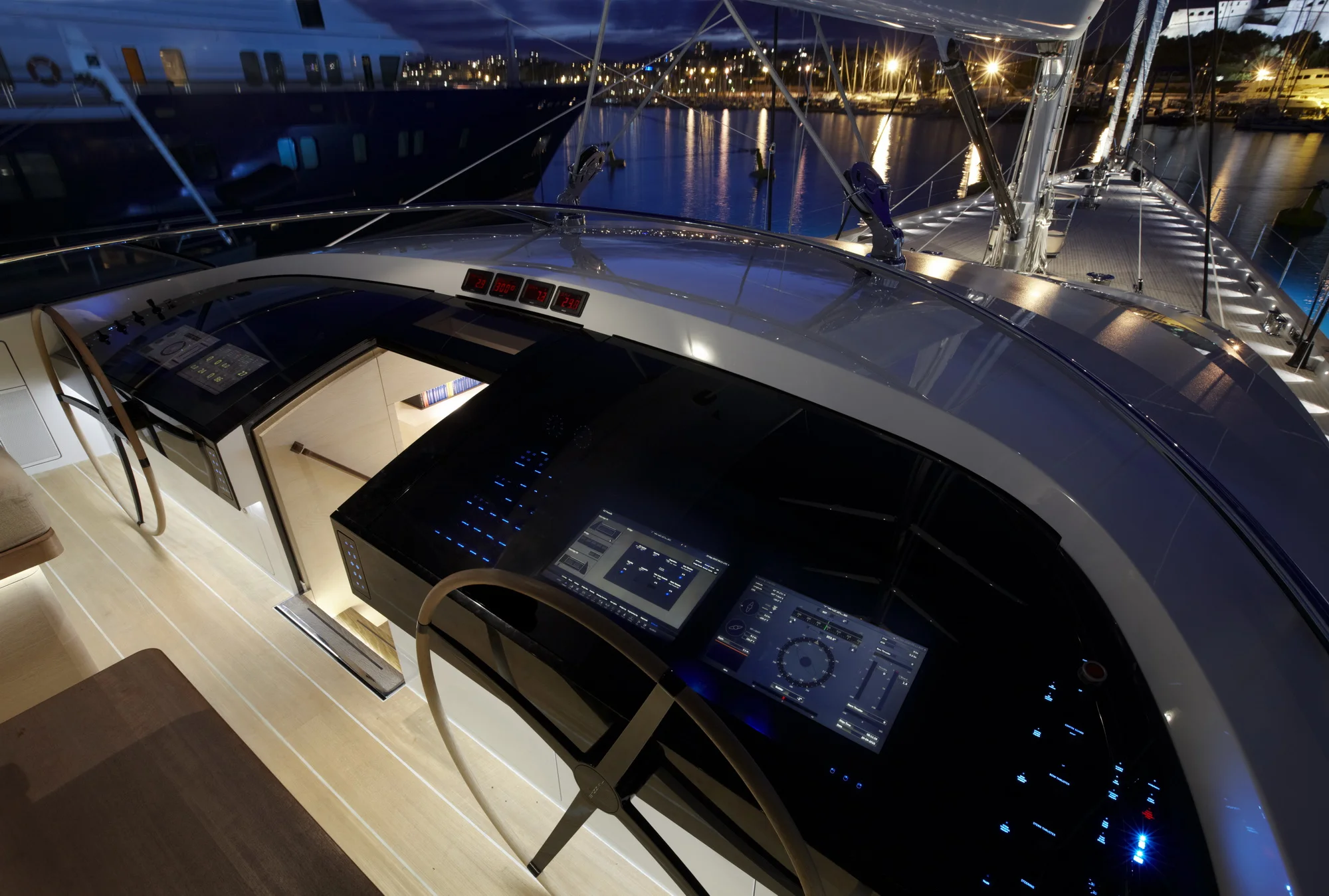
Visitors to Twizzle’s half-raised bridge deck may be surprised by the absence of a wheel or even a helmsman’s chair. The only manual controls visible are a half sunk trackball and two low profile joysticks. There are no other mechanical gauges, buttons or control levers. Welcome to “The Glass Cockpit” – an aviation term that is now finding currency in highly advanced yachts.
Active glass touch panels and widescreen displays manage and present all monitoring, navigation and communications data via the Integrated Bridge System. A Dynamic Positioning System enables Twizzle to maintain her geographical position as the variable pitch propeller works in unison with the fore and aft thrusters and the rudder. When Twizzle can hold station perfectly adjacent to a mooring buoy, or reverse gently into a tight, stern-to berth with a gentle nudge of a joystick, a bridge deck wheel truly becomes redundant.
On the flying bridge above, there are, of course, wheels at the two helming stations, each carefully positioned for an optimum view of the headsail luff. Each station has comprehensive data screens with conning pages for motor, sail and racing, together with sail control panels allowing the helmsman to trim as well as to steer. These fully sunlight-readable screens can be angled in unison with the sun’s azimuth and when not in use, are protected by sliding, double-curved toughened glass covers. The helming positions, on either side, will benefit from the cover of fixed, lightweight biminis constructed from carbon fiber.
Integrated flybridge structure
The deckhouse is remarkable not only for the panache of its styling, but for the subtle integration of a half-raised ships’ bridge between maindeck and flybridge. Operationally, the easy access to the top deck fly-bridge and the commanding view from the enclosed, glass-rimmed bridge pay considerable homage to practicality and safety. For added amenity the literal win is that the layout hands the “best real estate on the yacht” back to owners and guests for optimised amenity value on the maindeck.
Stern platform extraordinaire
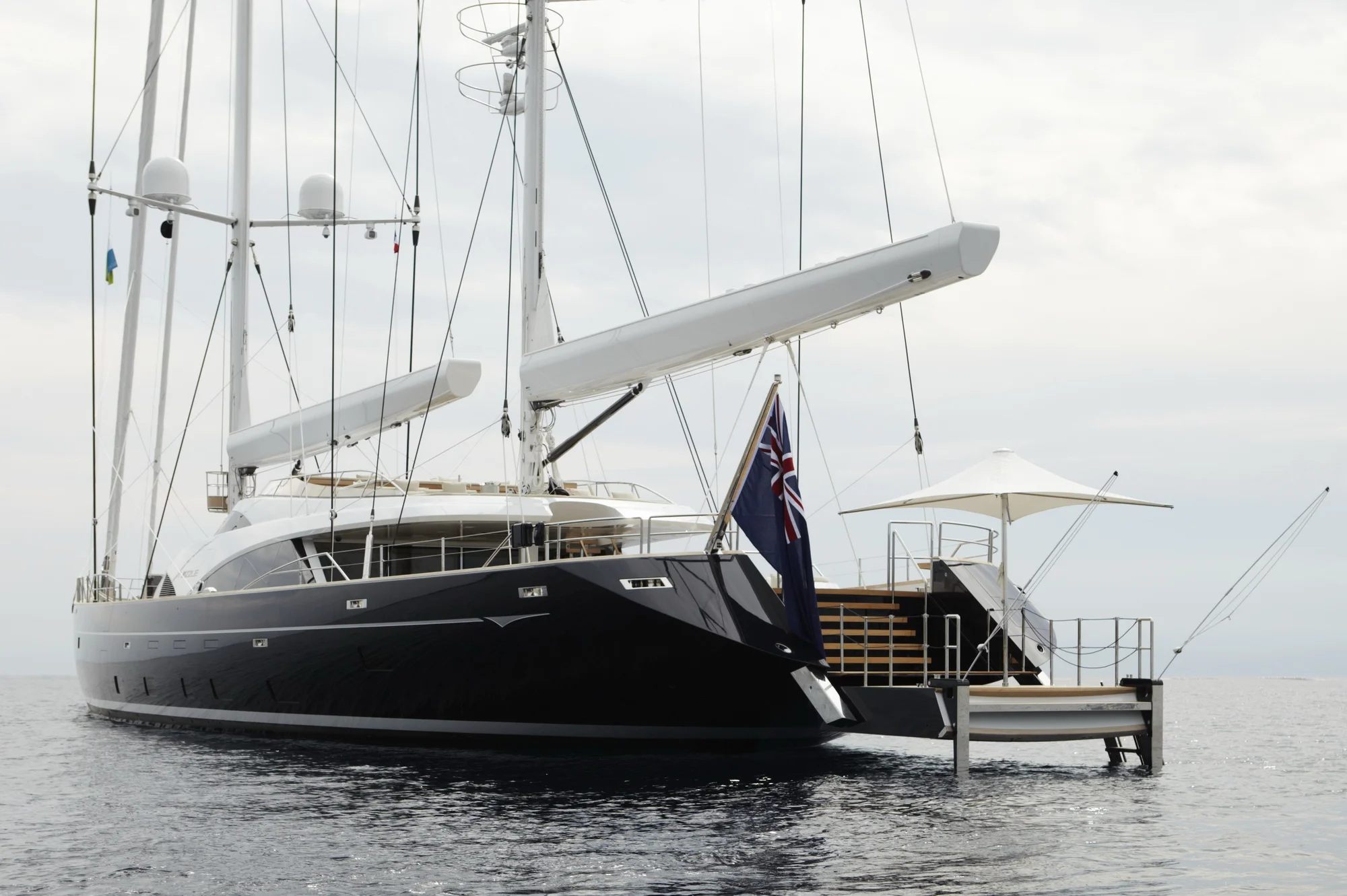
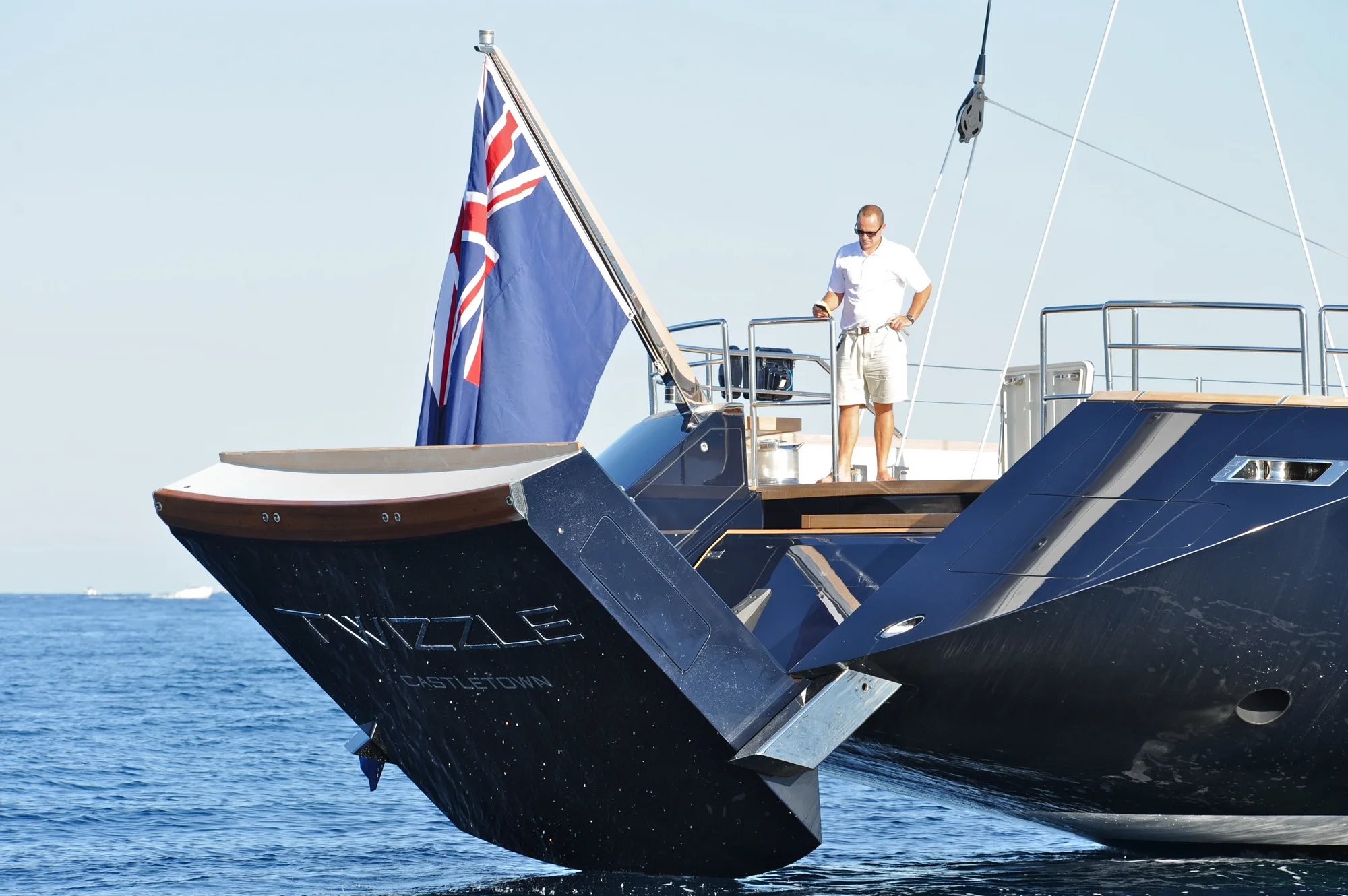
Twizzle’s stern platform offers a case study in engineering ingenuity. The transom slides down then pivots open to reveal a two-level stern swim platform, linked by adjustable teak steps that can be raised or lowered above water level depending on sea state. The upper steps open to offer access to diving gear, dinghy and kayaks as well as to other toys and equipment, while a carbon fibre swimming ladder can be deployed from the lower platform. The whole operation is hydraulic and hinge-less and there is not a ram, catch or cable in sight.
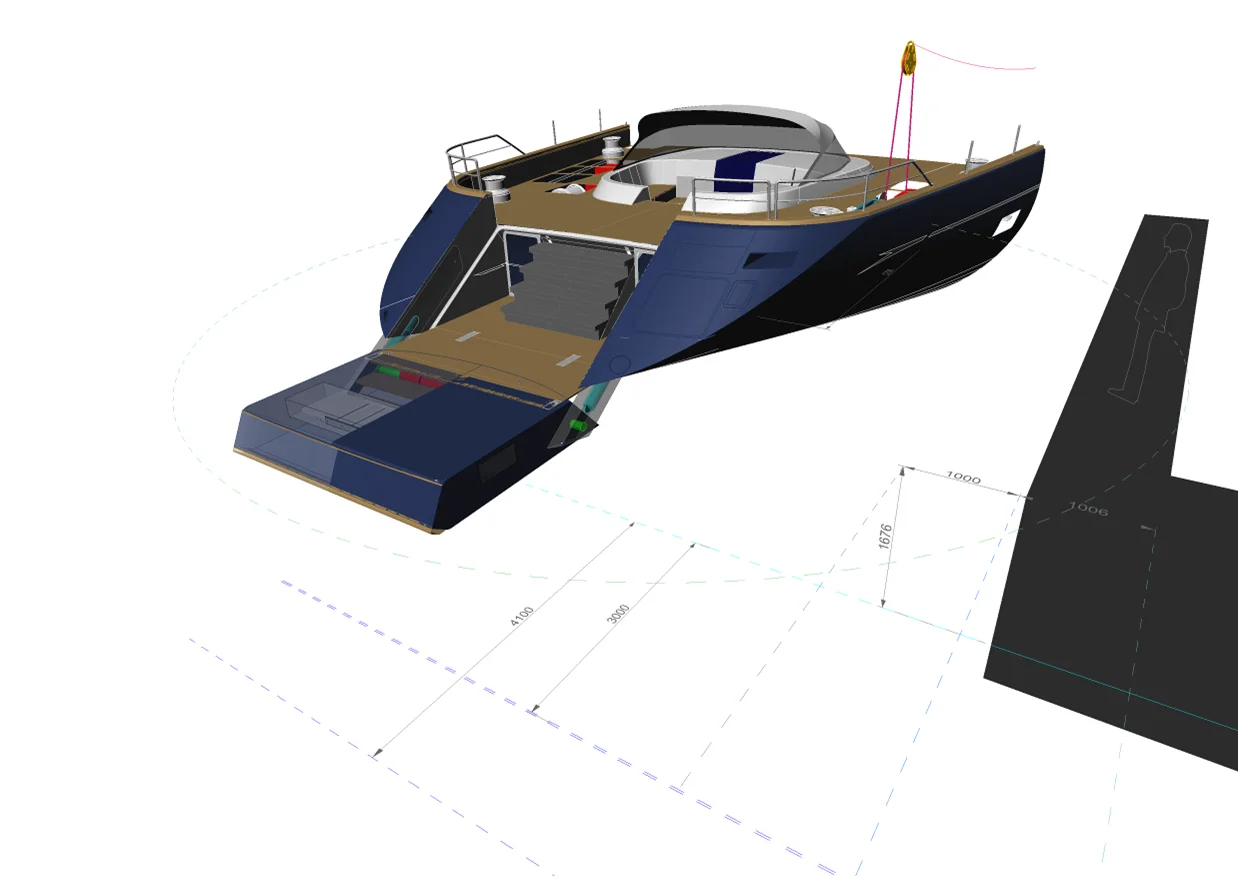
The whole operation is hydraulic and hingeless and there is not a ram, catch or cable in sight.
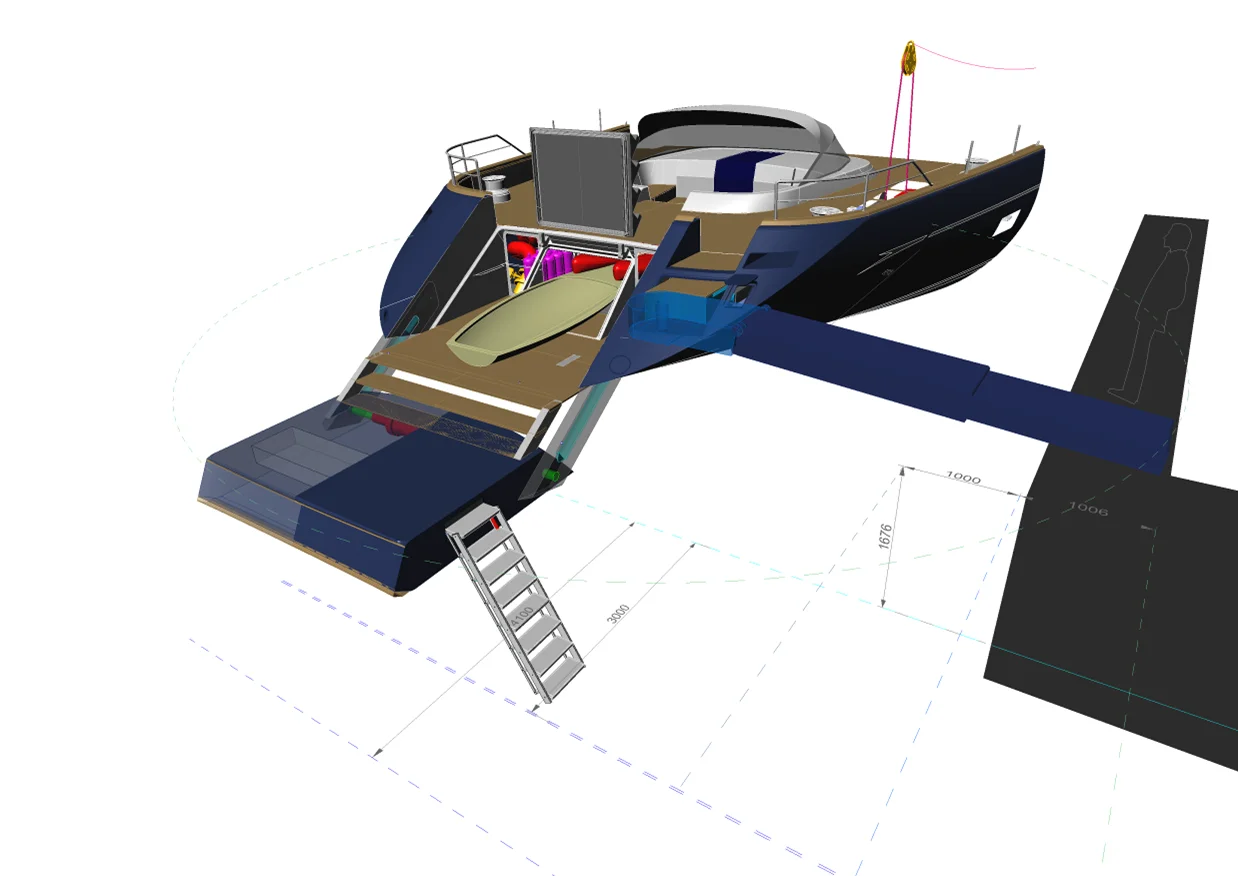
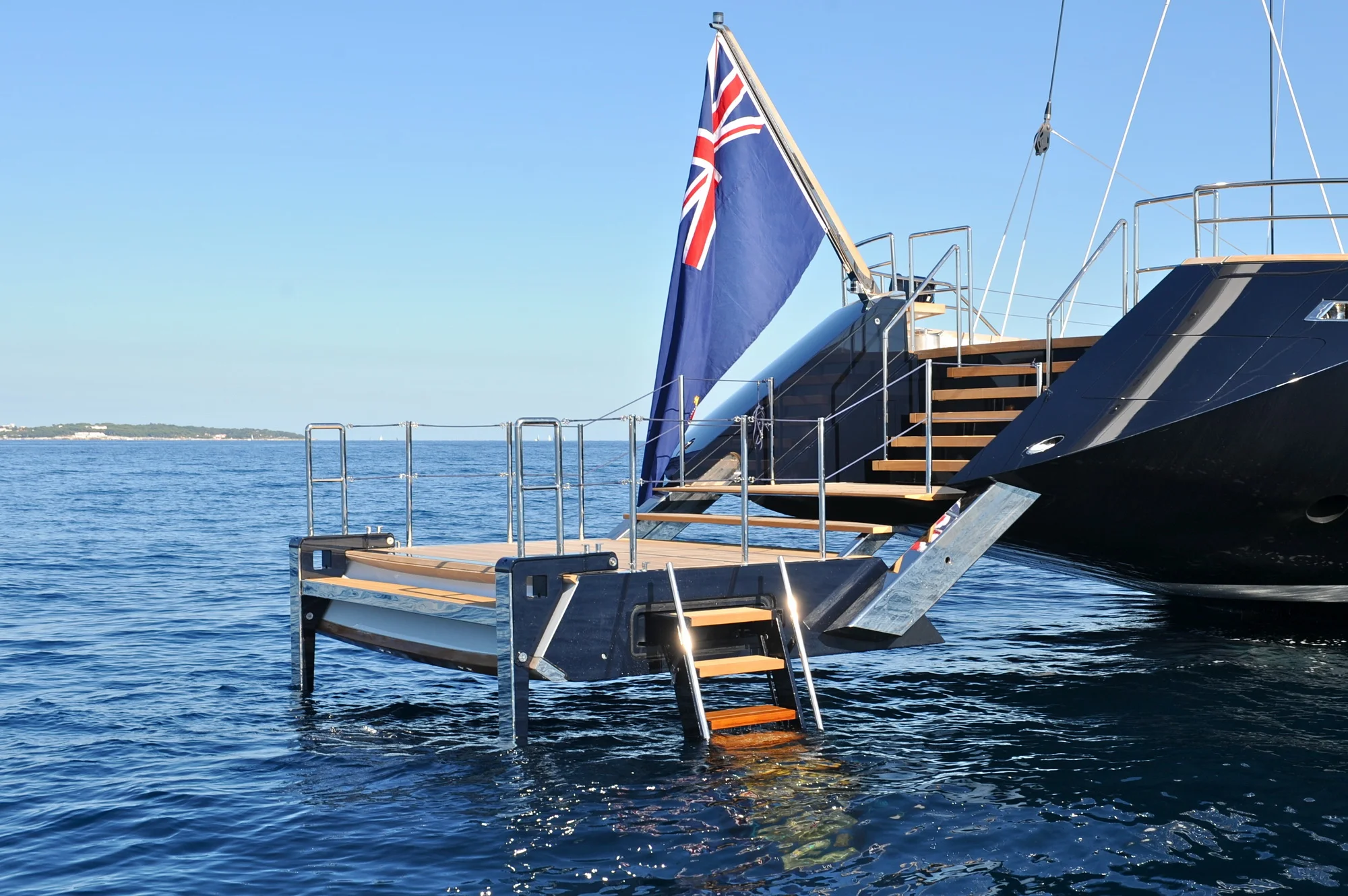
To complete the picture, Royal Huisman’s system integration engineers devised a program to automate the entire sequence of movements from initial deployment to flushing the swim ladder with fresh water as it is retracted.
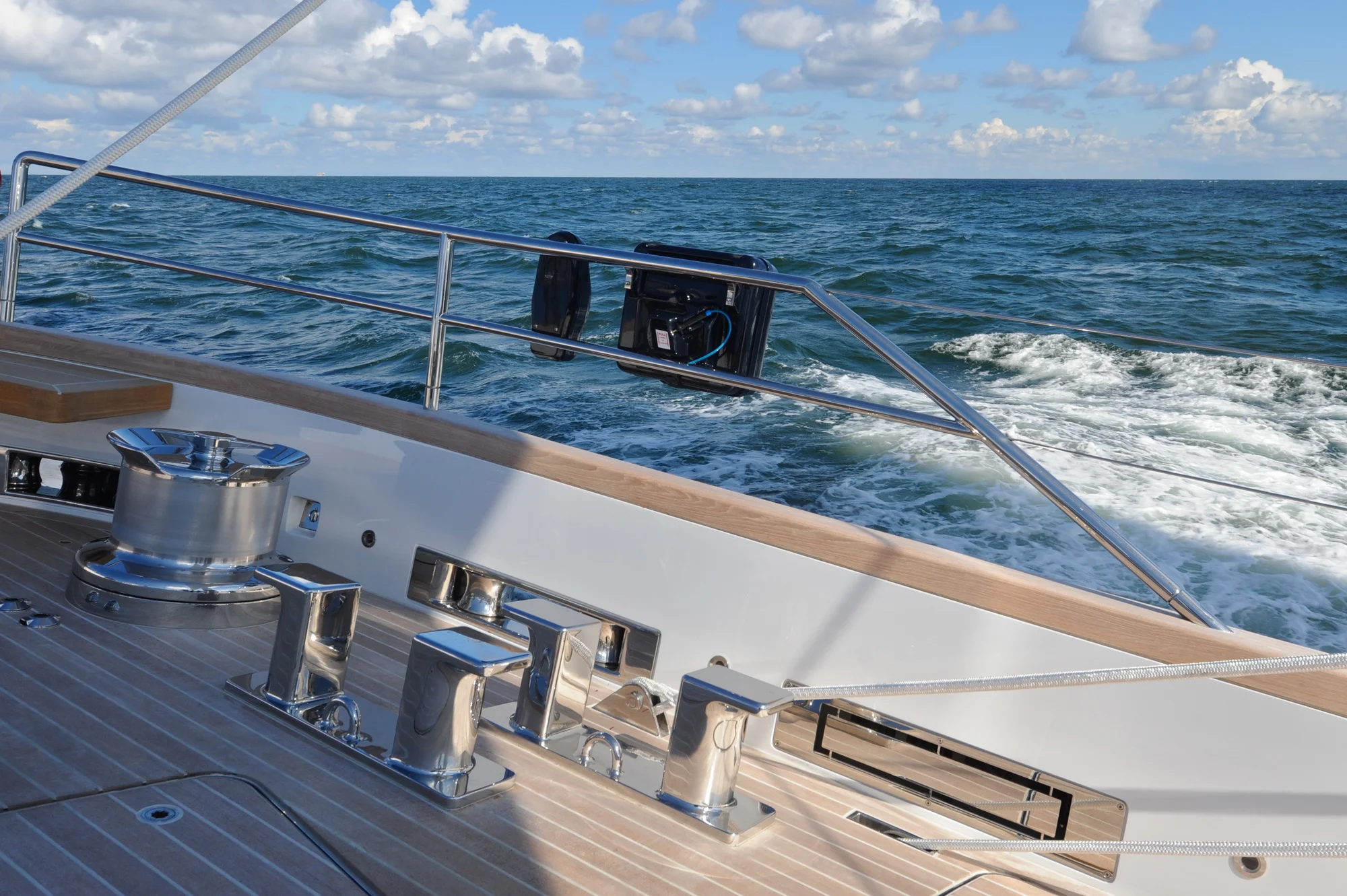
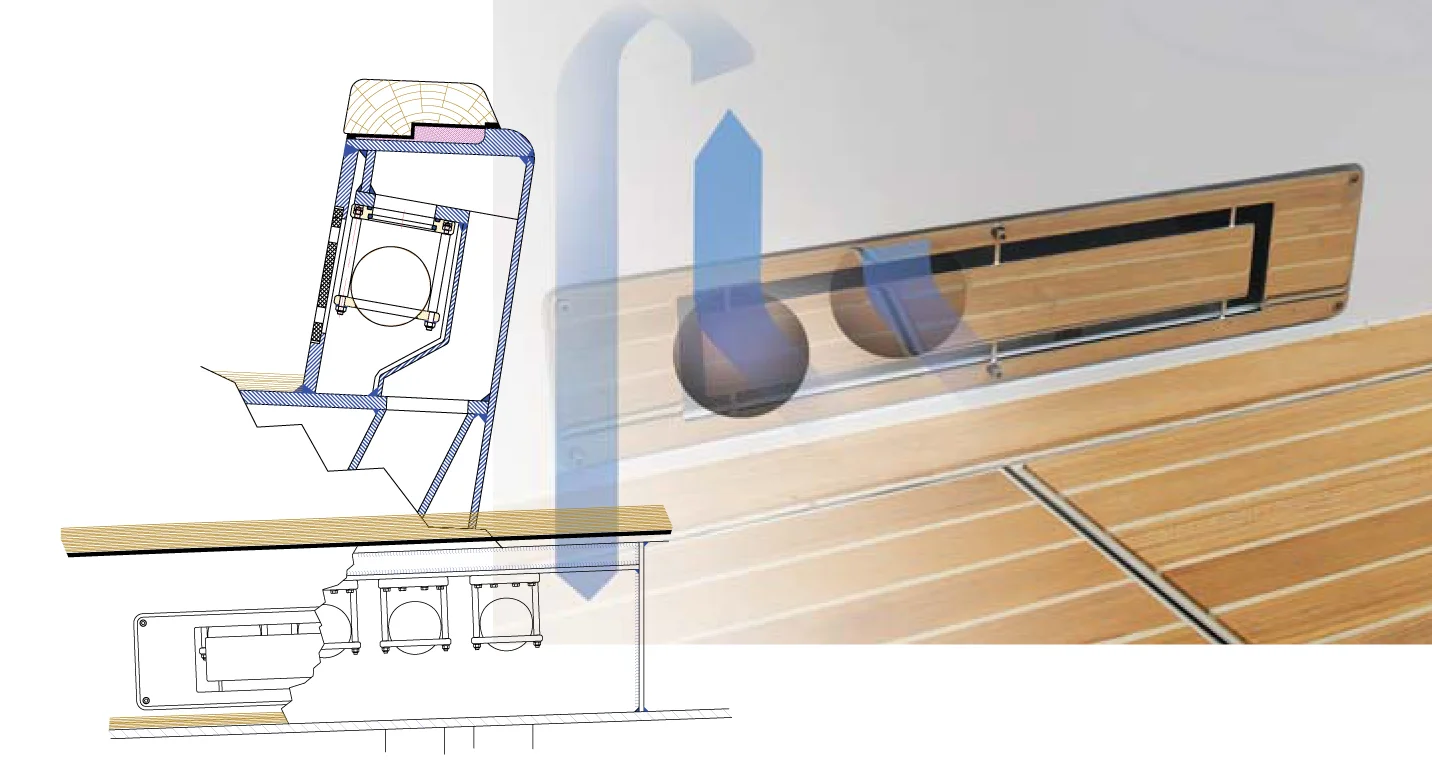
The absence of cowls or dorades for ventilation is achieved by a series of eight ventilation ports installed in the bulwarks with a customised, Lloyds approved, snorkel-and-ball system to ensure watertight integrity when the boat is heeled.
A Guided Tour
A very attractive feature of Twizzle is the highly successful creation of indoor and outdoor spaces that seamlessly merge, or can be effortlessly adapted into discreet living areas.
A stroll around the decks
Moving aft from the bow towards the sumptuously sweeping deckhouse window, the 62m / 203ft high carbon composite main mast invites an exhilarating ride skywards and the reward of breathtaking views from the hydraulically operated crow’s nest. Here, with a moment to pause, one takes in the completeness of the foredeck, flybridge and aft deck areas. Passing the main deckhouse, the generous step-down side decks are framed with high, naturally finished teak capped bulwarks providing a strong sense of security and solidity; stylish mid-ships fairleads are integrated with the bollards into the bulwarks, avoiding any deck obstruction.
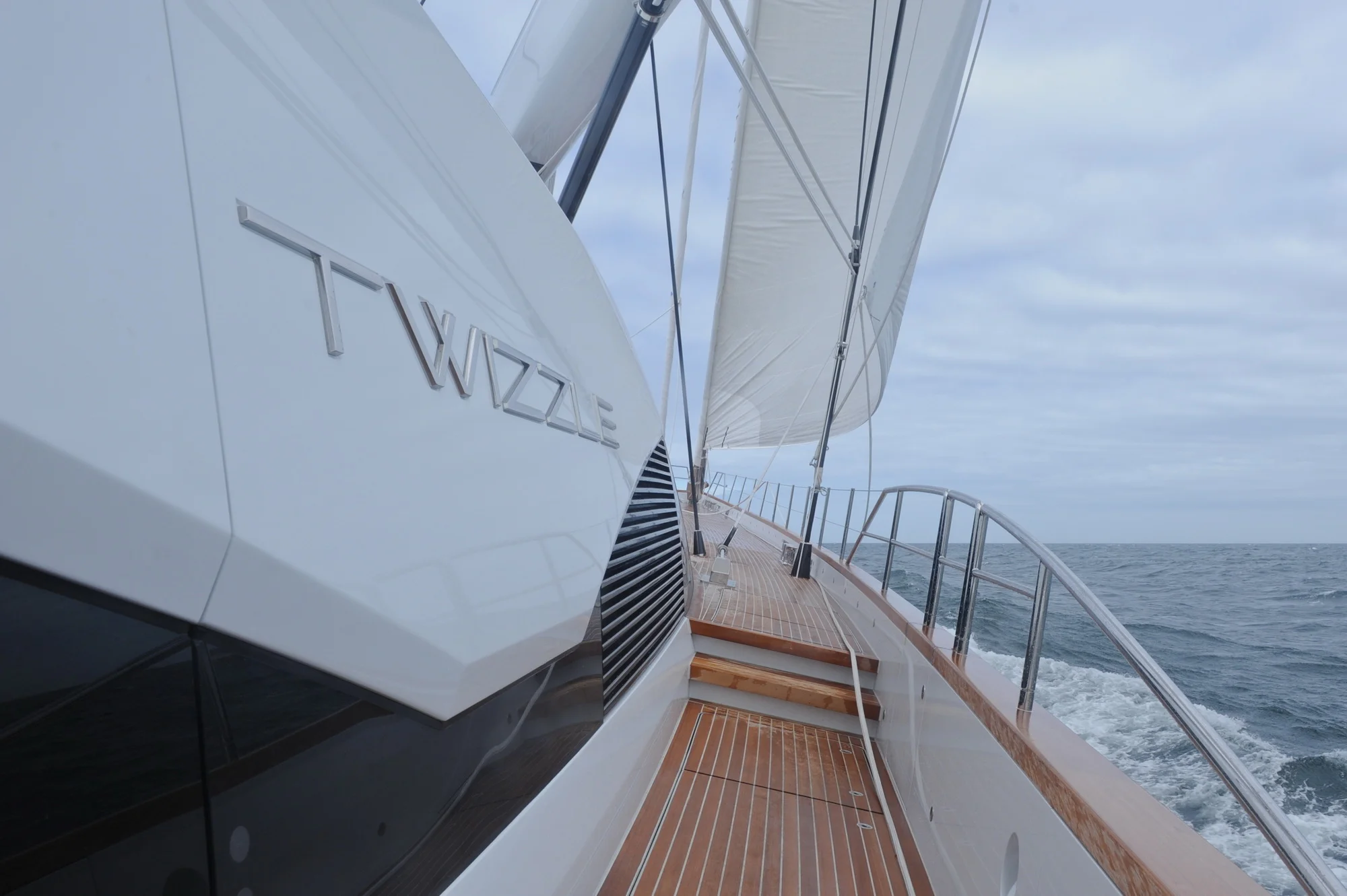
Externally the curvaceous and massive sections of deckhouse glass appear dark, ensuring privacy for guests, yet the space inside offers a clear view out and is flooded with light. Going aft, the decks rise again to main deck height and provide access to a sun-drenched aft deck area complete with integrated mid-sized cockpit directly accessible from the owners’ cabin. The cockpit bimini retracts neatly into a covered hard top recess, very much like a modern convertible car.
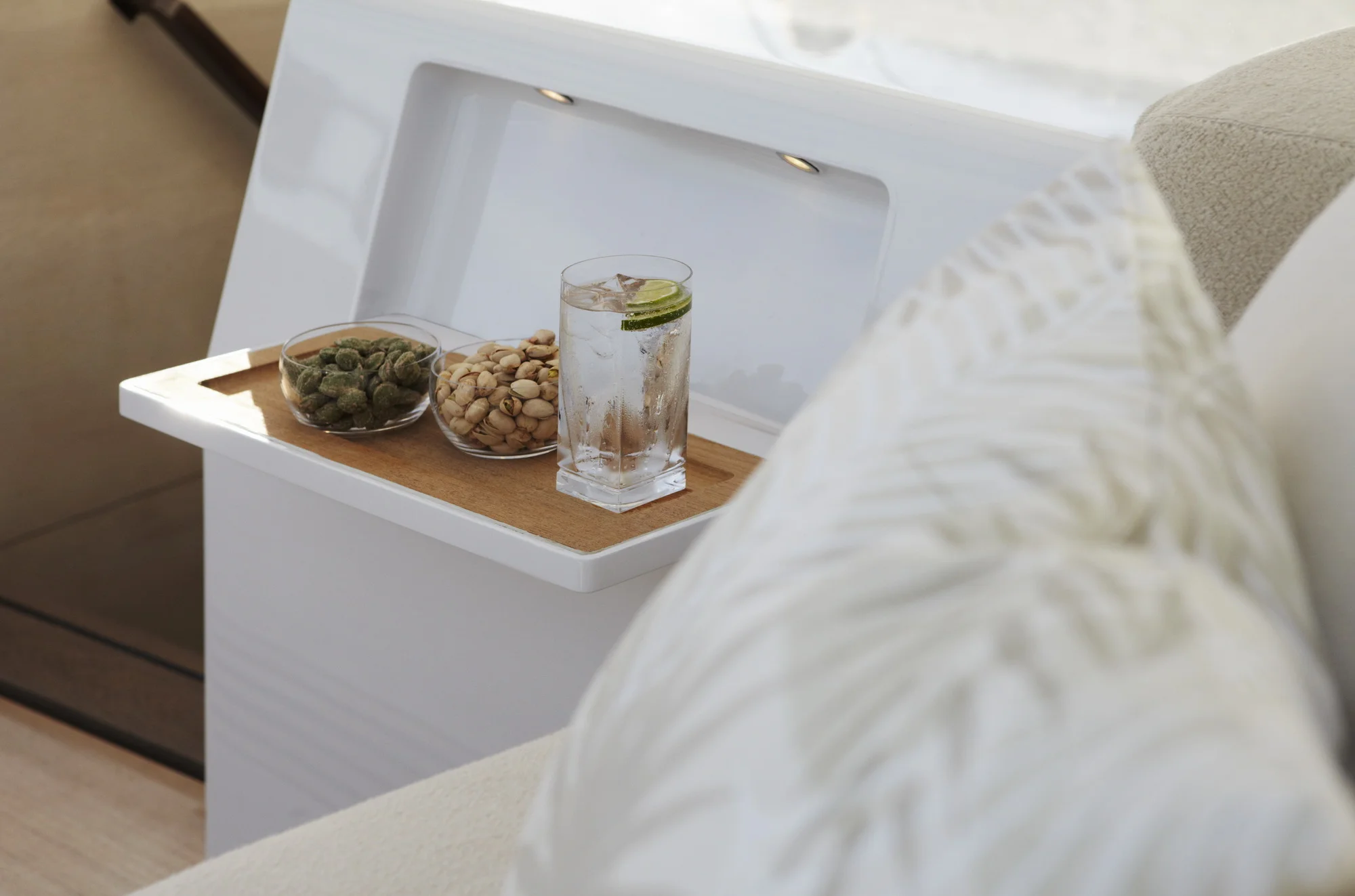
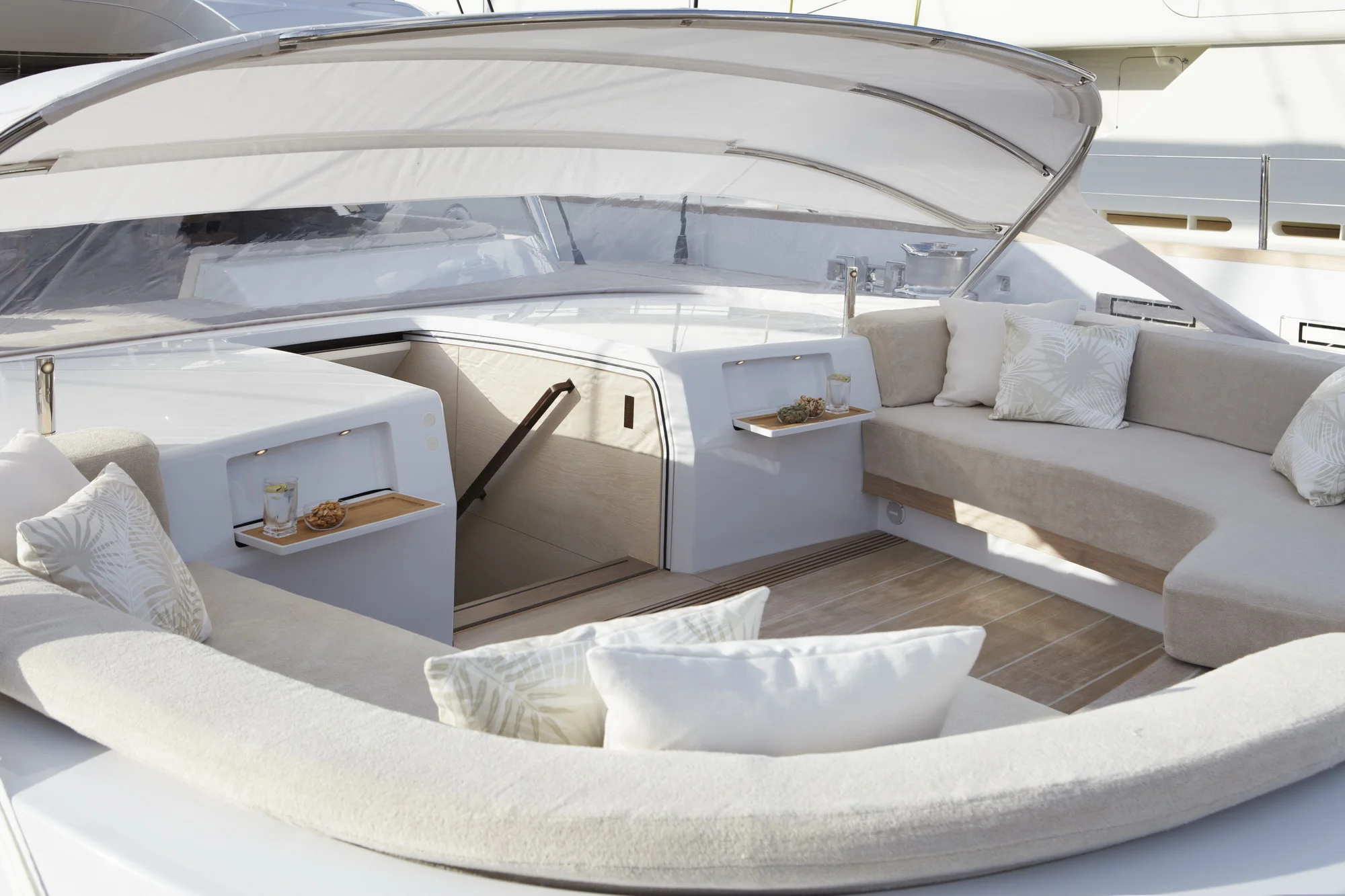
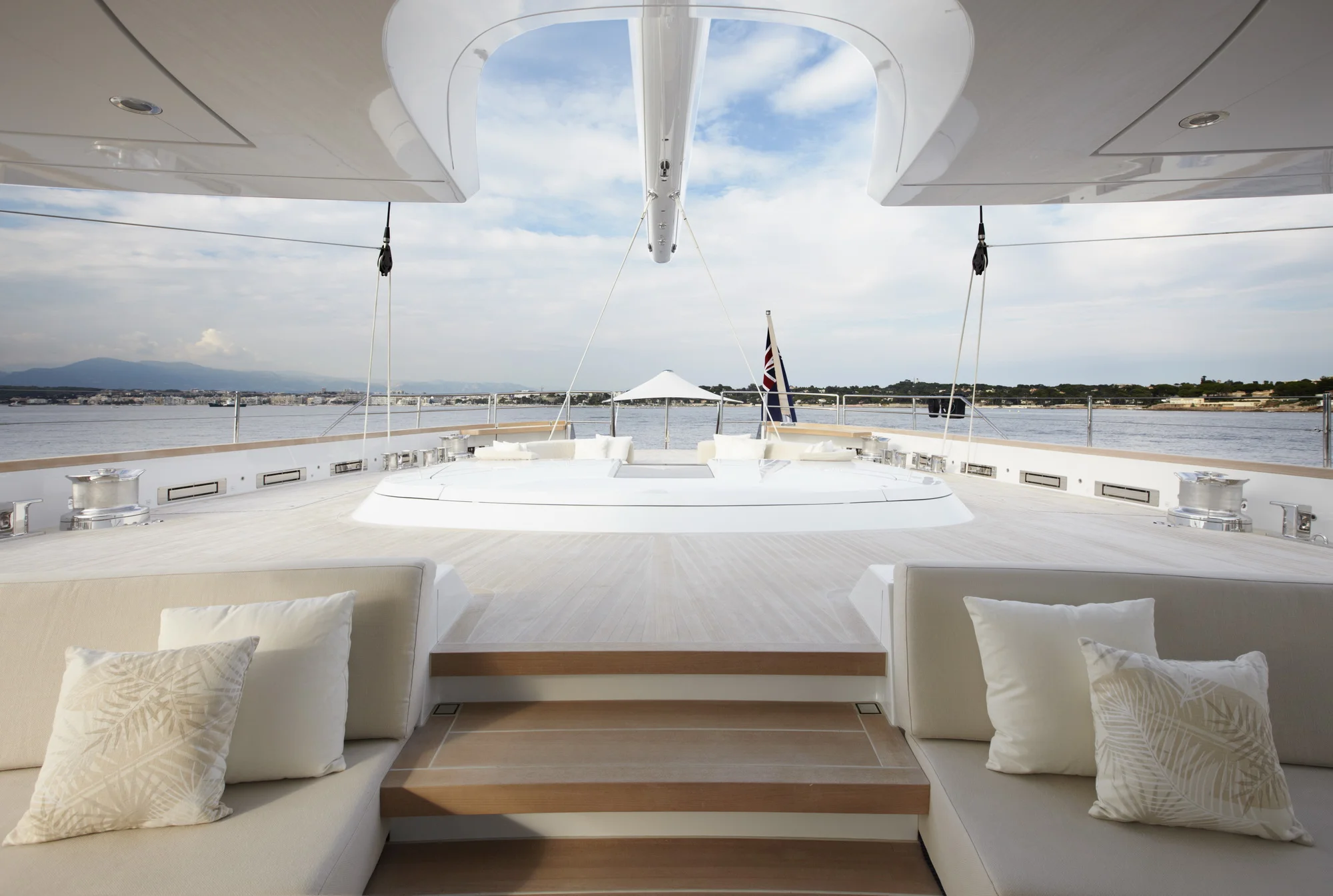
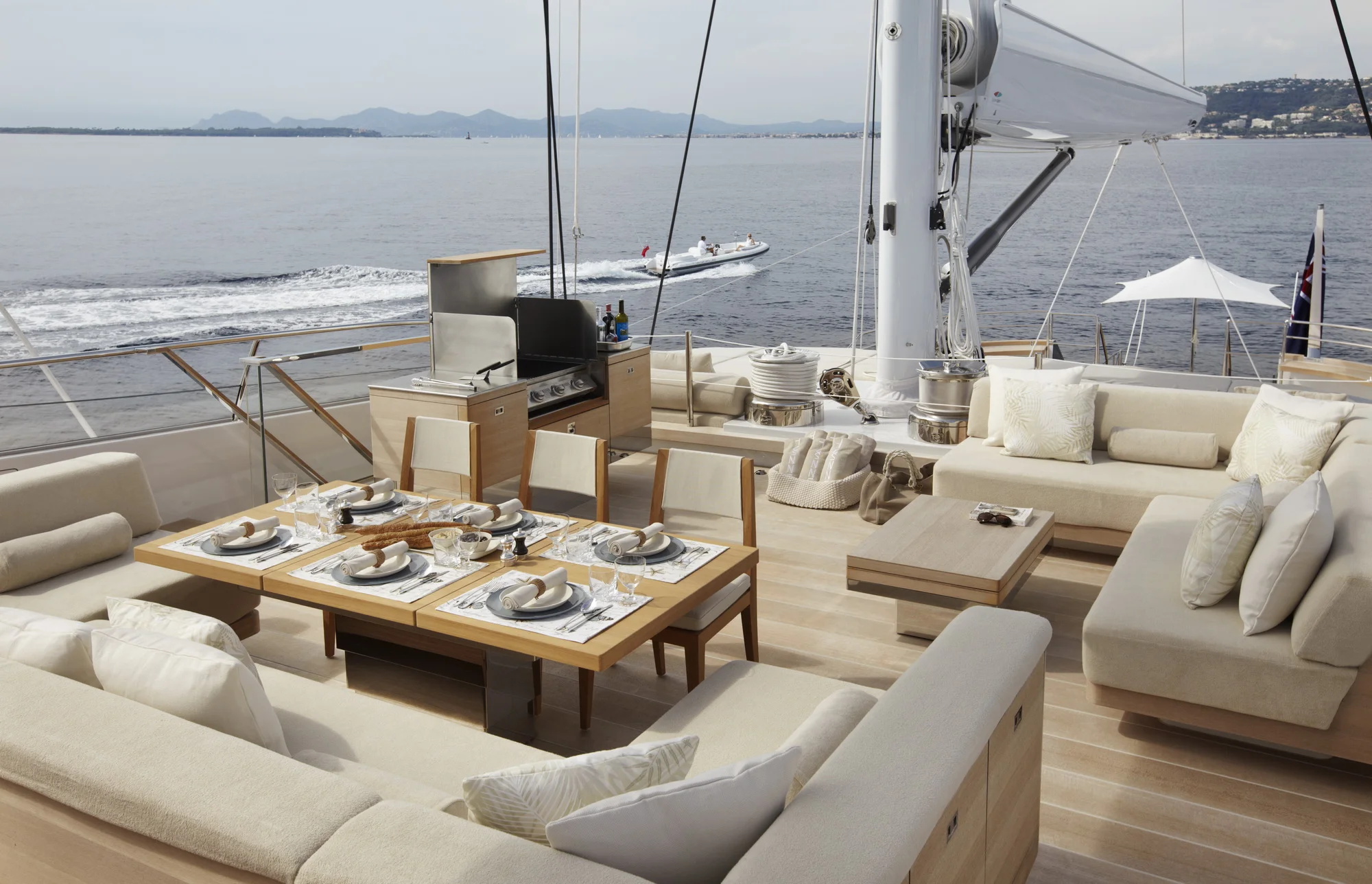
Looking forward, the overhanging flybridge deck casts welcoming shade over an attractively informal recreational and dining area. With a bar to port and large, comfortable couches informally arranged around the sunken, alfresco social area, this space benefits from ceiling heaters above the dining table and extends seamlessly forward into the interior main deck salon.
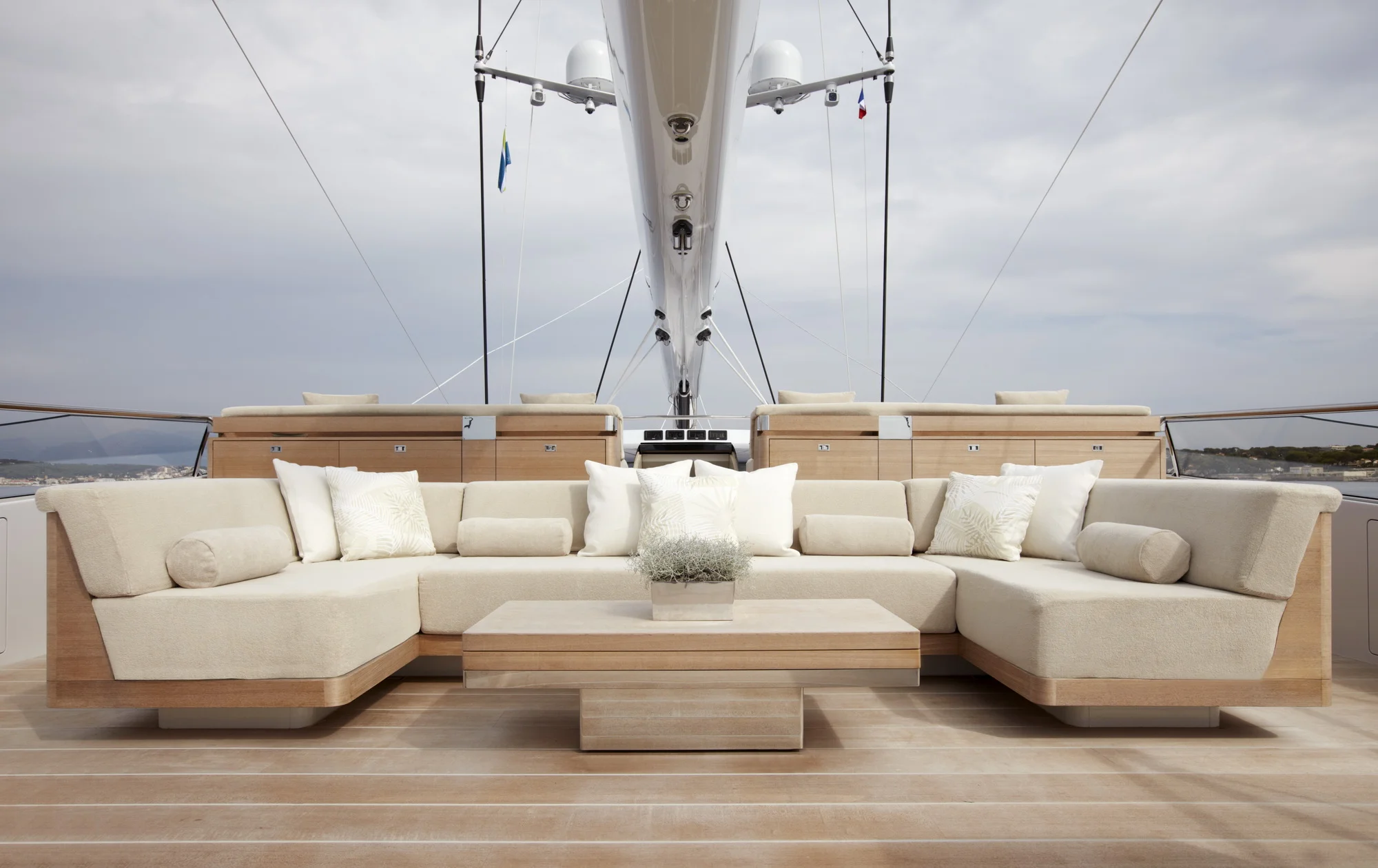
At the push of a button, fullwidth custom Rondal glass sliding doors close or open to transform these remarkable living areas for either extended or more intimate social gatherings. To starboard a staircase with remote controlled retractable rain hood rises to the expansive flybridge above offering sensational, panoramic views across the decks and out to sea. Behind the clear glass low profile windshield and the two helm stations are large sunbeds, sofas, a bar and a cleverly extending table for impromptu dining.
The comfort and amenity of a motoryacht
For far too long, the best “real estate” on the majority of superyachts, the forward area of the deck salon with its dramatic views over the foredeck and bow, has been given over to the Bridge for the control and operation of the vessel. Twizzle’s design team were able to identify an attractive alternative.
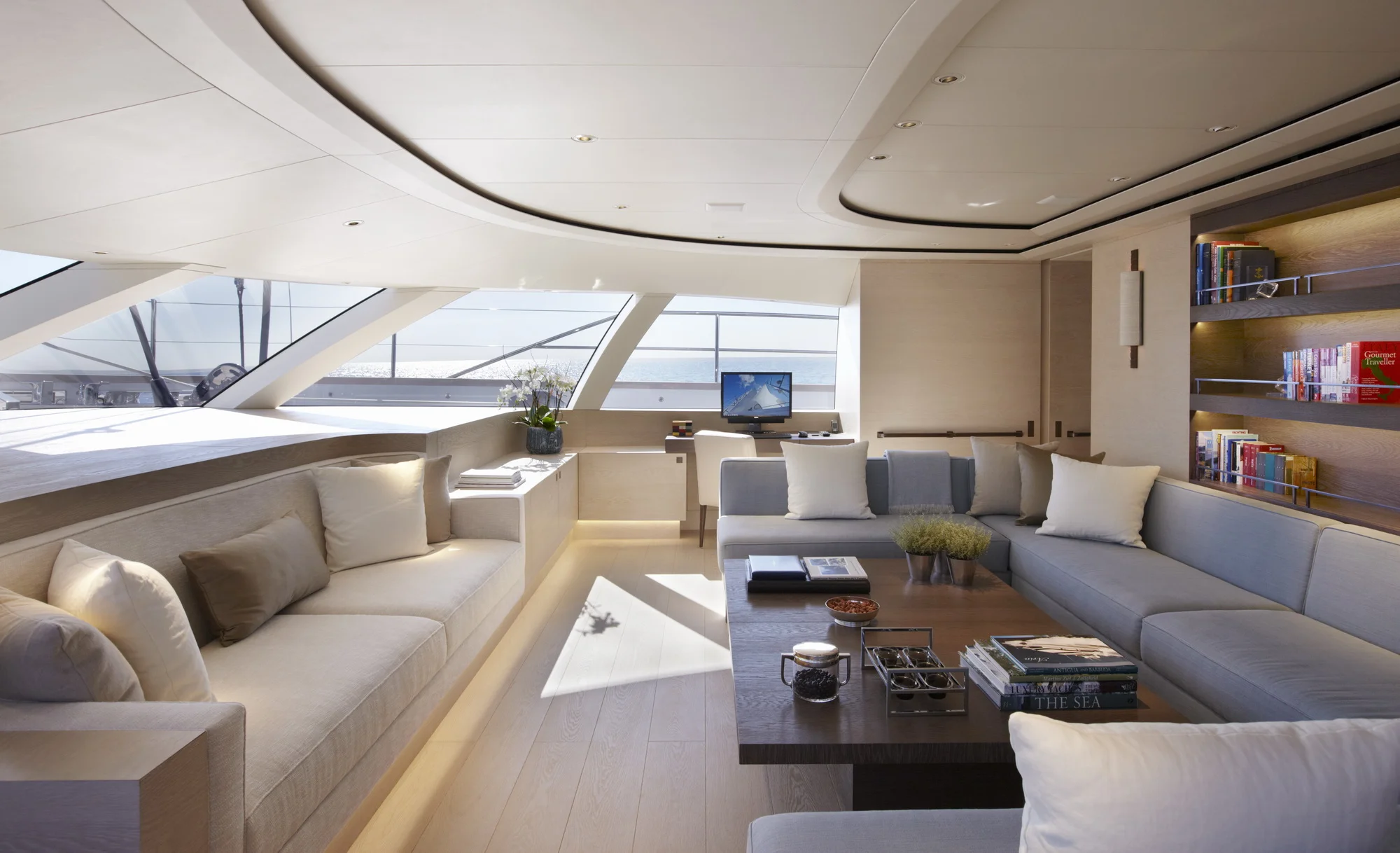
The whole of Twizzle’s maindeck salon has been given over to owner and guest amenity. Far from compromising the navigation and operation of the yacht, this provides the opportunity for an integrated, half-raised Bridge situated in a commanding position above the deck salon and with easy access from the Crew accommodations and to the flybridge steering stations.
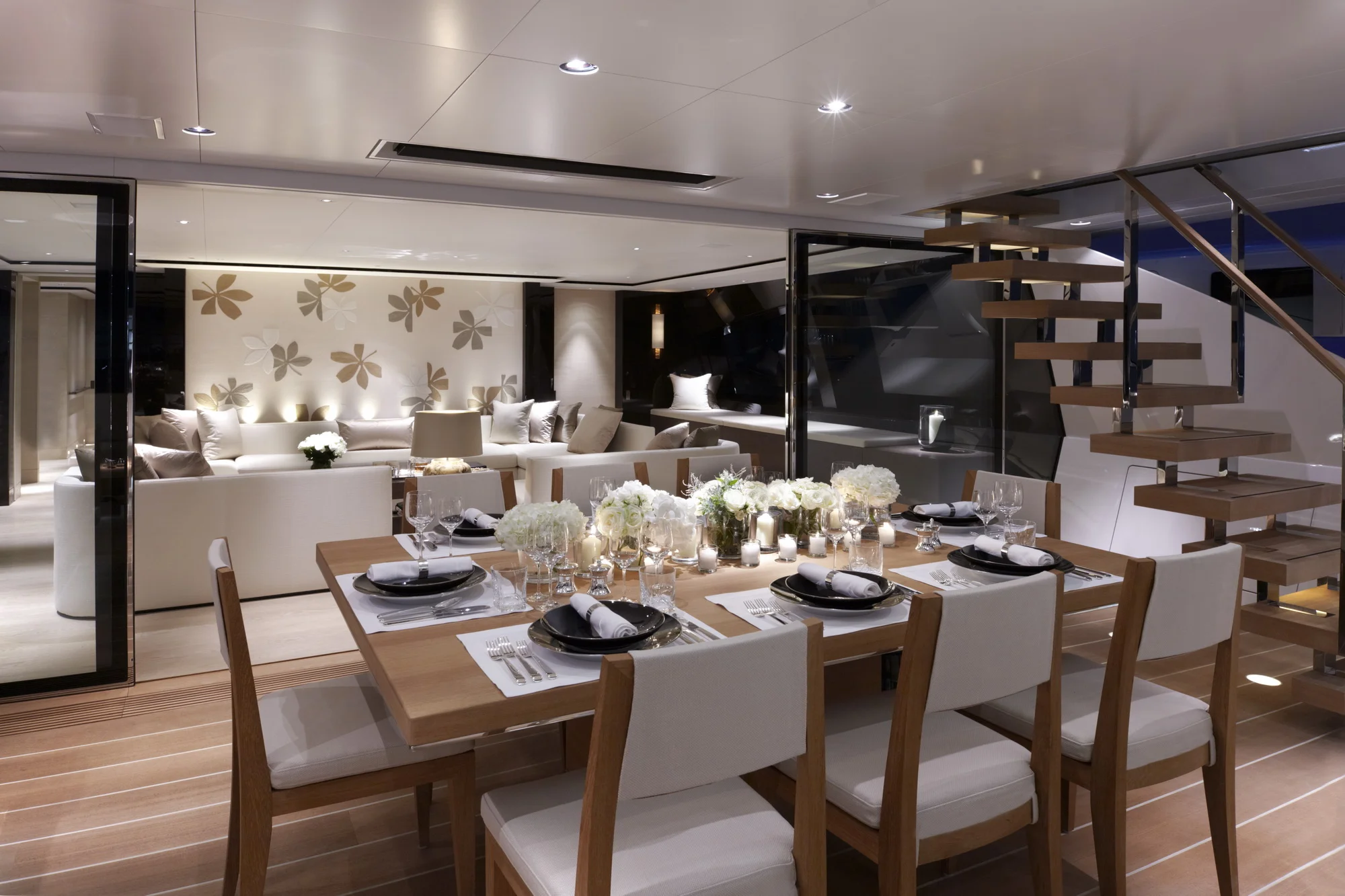
The entire area behind the main deck’s vast, elegantly curving window is thus available for a magnificent theatre lounge, easily transformed for casual dining. The views are panoramic and spectacular. Stairs forward to port provide direct service from the galley; doors aft give onto a spacious lobby area with wide staircases. The stairs to starboard provide stylish access to owner and guest accommodation below and to the flybridge above. The stairs to port serve the captain’s cabin. On the starboard side of the lobby a pantograph door, neatly integrated into the internal finishes, is the point of entry for guests arriving from the boarding platform and side gangway. There is a similar arrangement for crew on the port side.
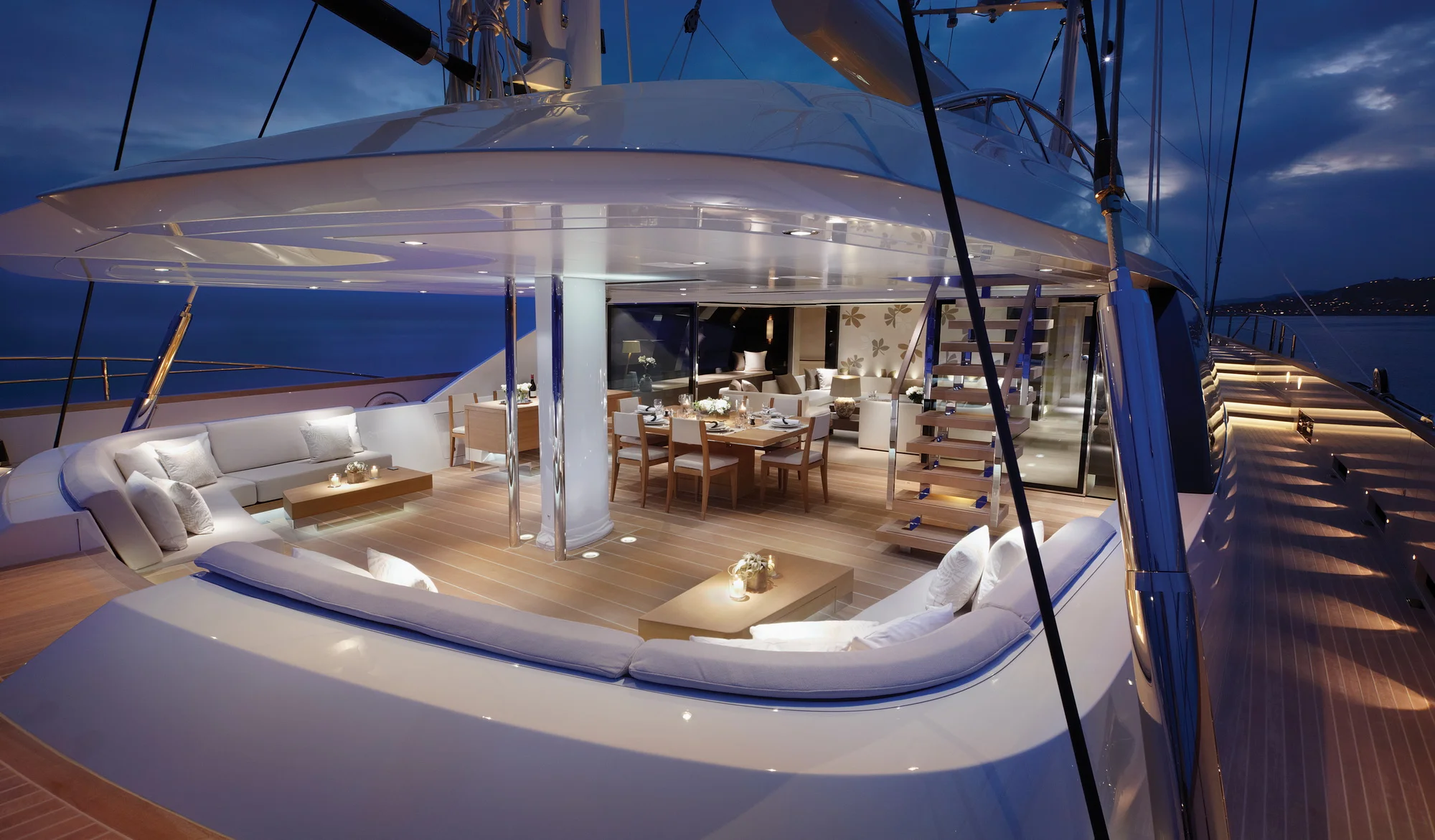
Aft of the lobby is the main deck salon – a wonderfully airy space where full width glass automated Rondal sliding doors astern and vast windows either side suffuse the room with light and create an impression of being outdoors, although guests remain warm and sheltered within. There is spacious, luxurious seating to relax and read, to chat or to watch a film. With the sliding doors opened to link the alfresco area outside, the continuous deck level ensures a wonderfully spacious and integrated environment offering every possible choice of comfort and view.
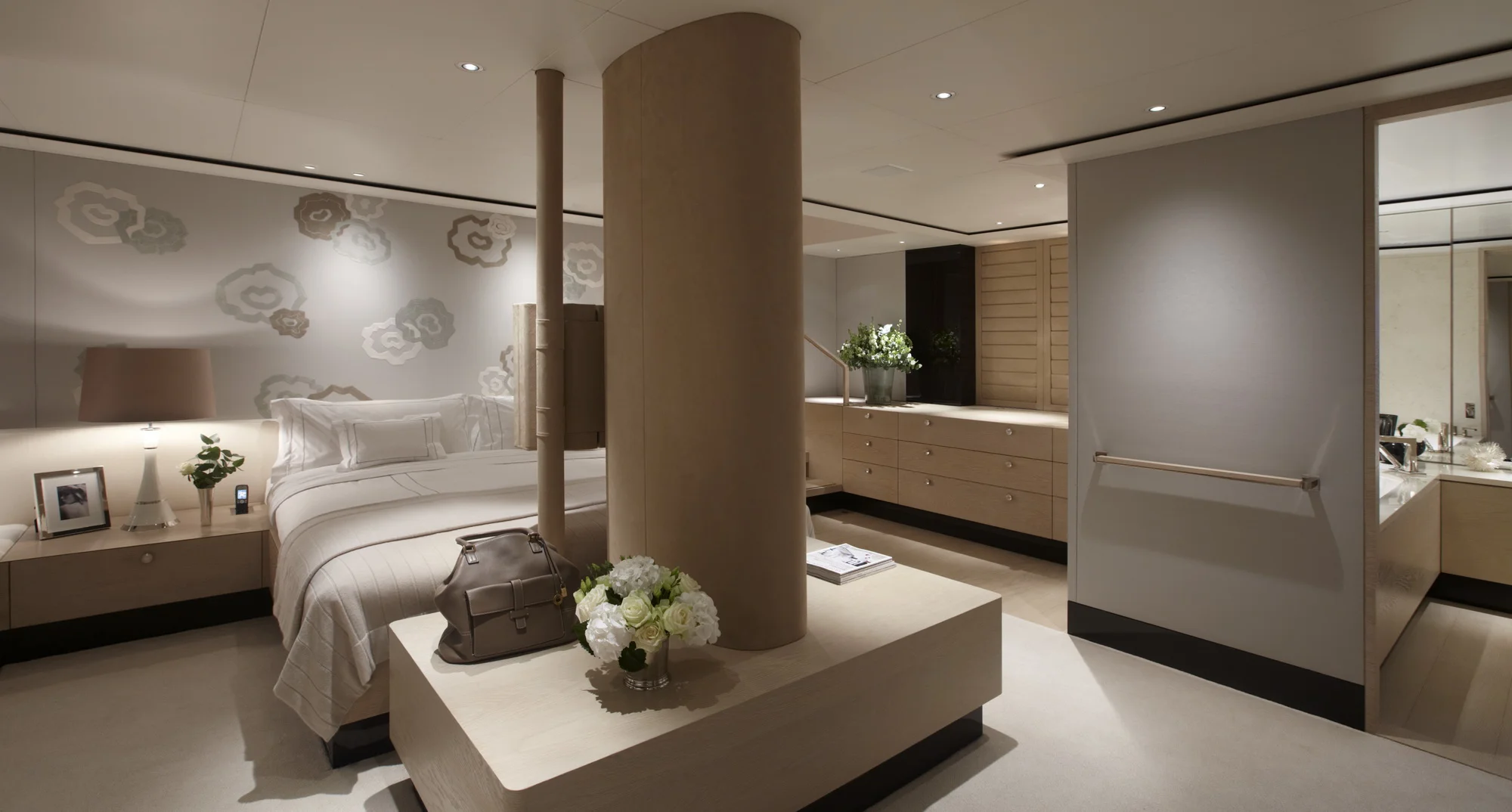
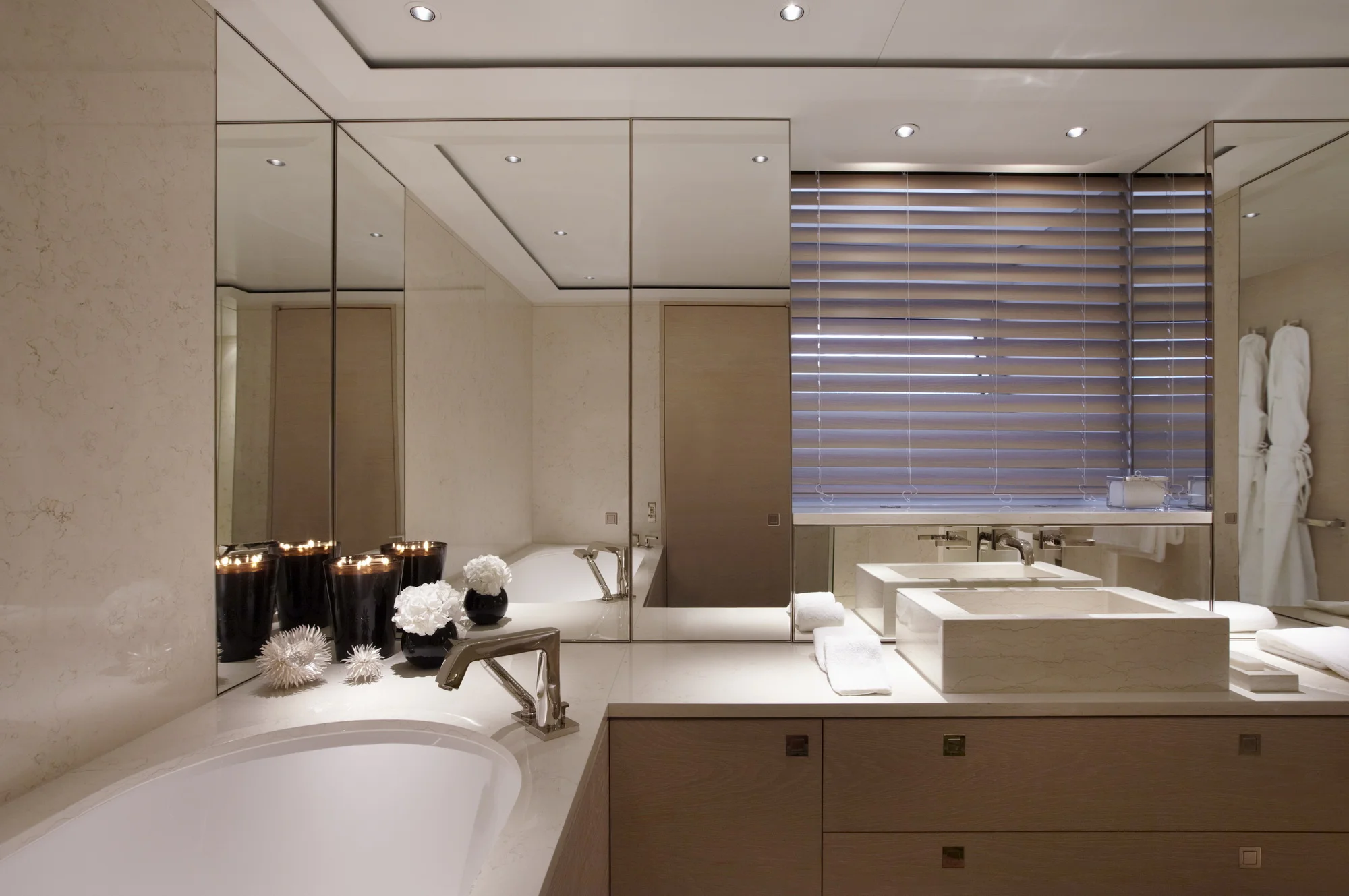
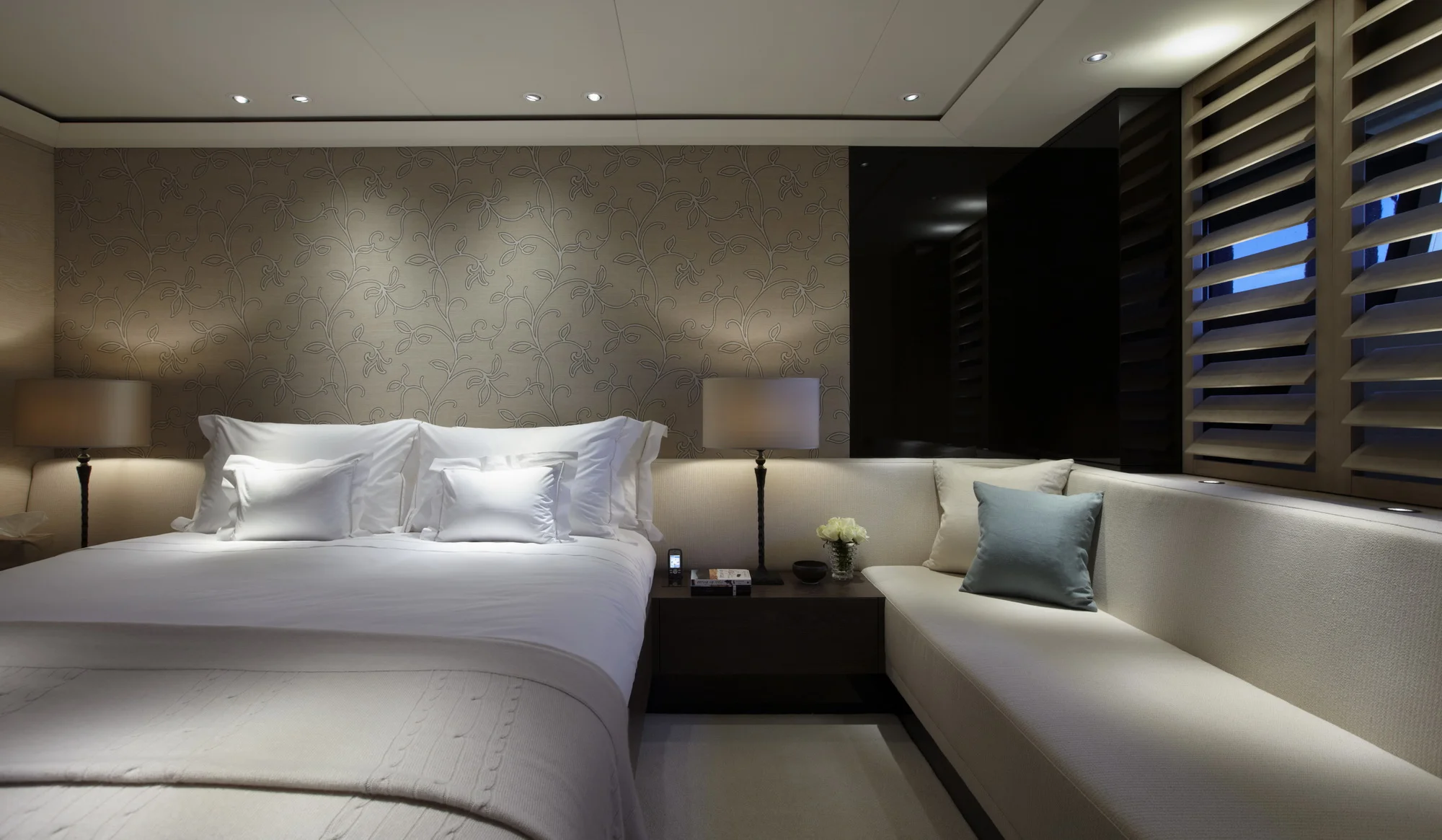
Descending to the cabin deck via the starboard lobby stairs, there are three guest cabins with the owners’ stateroom aft. Interior design and décor was undertaken in association with specialists Todhunter Earle and the guest cabins – like the communal areas – all enjoy stylish contemporary fittings and finishes with beautifully conceived modern architectural detailing. An overriding theme is the use of specially prepared European oak, scrubbed intensively to enhance the grain then hand-stained in contrasting tones. Complemented by a palette of natural hues for wood floors and textile surfaced wall coverings, the result is a calm, yet chic ambience.
The owner’s stateroom features a centrally located, oversized King bed located abaft of a cleverly-joinered cabinet that artfully presents the mizzen mast. To starboard, there is an L-shaped sofa and walk-in wardrobe. To port, doors connect to a large bathroom against the forward bulkhead and to another, further aft, with steam room and shower. This door also provides access to the owners’ study and to stairs leading aft to the owners’ cockpit.
Crew quarters and services
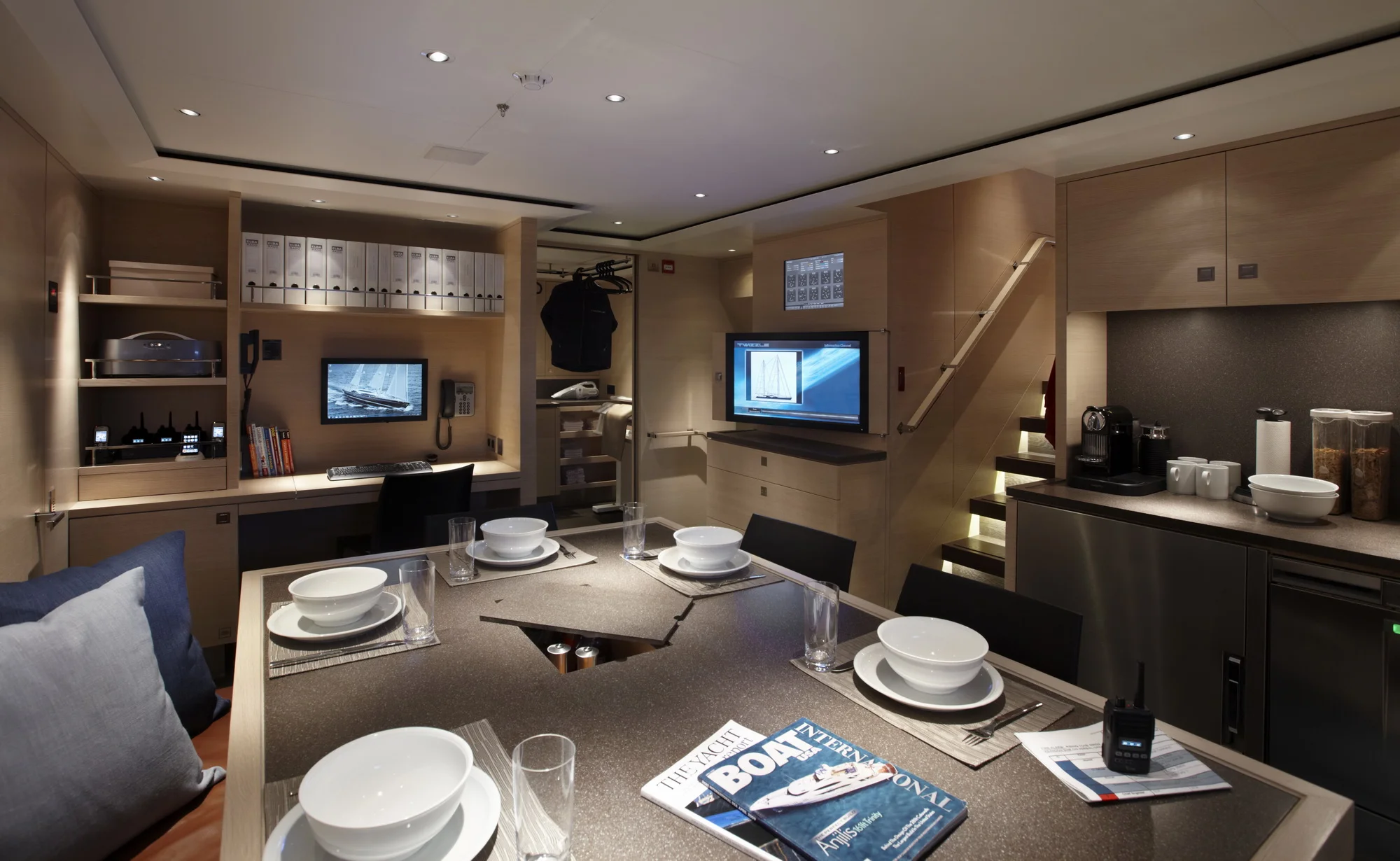
Twizzle’s experienced owners recognise the importance of giving their crew the right facilities and amenities to do their jobs well, and to enjoy their lives aboard. The crew quarters, no less quality than the guest accommodations, lie forward of the stairwell and beneath the foredeck and consist of five double cabins, all ensuite, and a generous crew mess. The area is airily ventilated and well-lit.
Three of the cabins, together with the crew mess, enjoy the additional benefit of large portholes. Close at hand are comprehensive laundry facilities, a walk-in freezer, and the engine control room, with a desk for the Engineer, leading to the engine room itself.
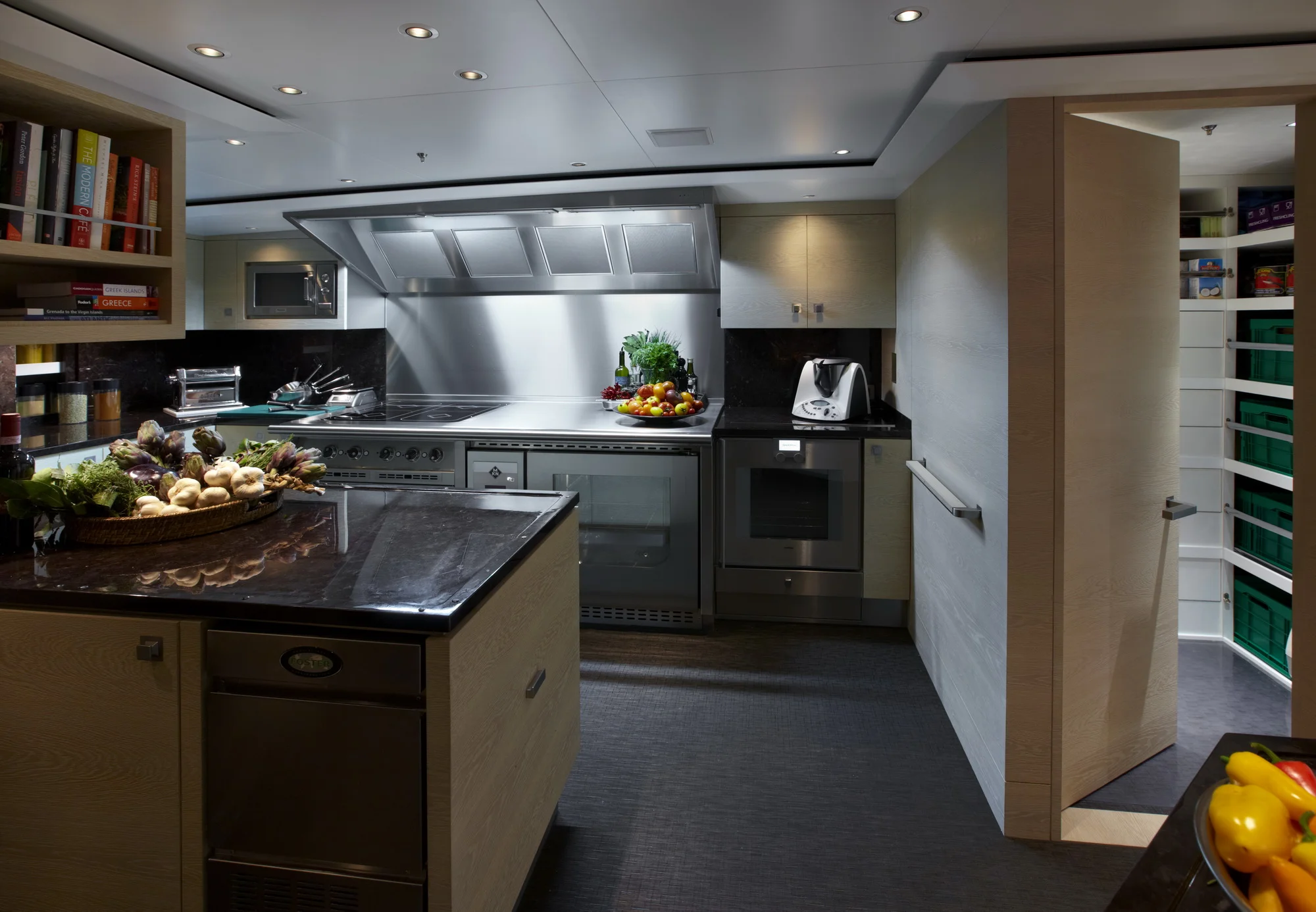
The professionally equipped galley, with chiller room and dry store, is situated a few steps up and aft from the crew quarters. Stairs give direct access to the main deck dining room and to the pantry area in the lobby for servicing other areas of the yacht.
Justin Redman of Redman Whiteley Dixon: “For me to now stand on the deck of the finished Twizzle is to feel very humble. It is to quietly reflect on the journey of the last four years. It is to recognise the heritage and experience of the Royal Huisman craftspeople whose great efforts have fashioned every single element we have designed over that time.”
This article “Making a splash“ was first published in INHUIS fall / winter 2010 - 2011:
Learn more about Twizzle? Royal Huisman e-brochure or back to Twizzle main page
Over the years, the shipyard team developed many smart solutions, several of which became trendsetters in the sector. Today, recent groundbreaking work by the shipyard, is in the process of re-shaping industry practices. The team recognizes the importance of advancing the technology behind these strongpoints. Discover the following five innovation themes: sustainability, featherlight, user experience, sailing systems and tools & methods.


