
The art of building simultaneously
How Royal Huisman's coordinated approach brings a fully custom superyacht to life. A look behind the scenes of the 81m / 266ft Project 412 Trident series.
Building a fully custom superyacht is an extraordinary undertaking. Hundreds of skilled people, thousands of individual components and countless design and engineering decisions must come together to create one exceptional yacht. How does Royal Huisman coordinate such a complex process while maintaining the highest standards of quality and craftsmanship?
“A rare insight into the remarkable coordination behind every Royal Huisman yacht”
The answer lies in a carefully developed approach that combines decades of yacht building experience with advanced engineering, detailed planning and what Royal Huisman calls First Class Operations. The progress of Project 412, an 81m / 266ft contemporary flybridge schooner, offers a fascinating demonstration of this approach in action.
Watch the detailed video here (click on “Fullscreen” for the best viewing experience):
“How Royal Huisman's coordinated approach brings a fully custom superyacht to life”
Multiple workshops. One yacht.
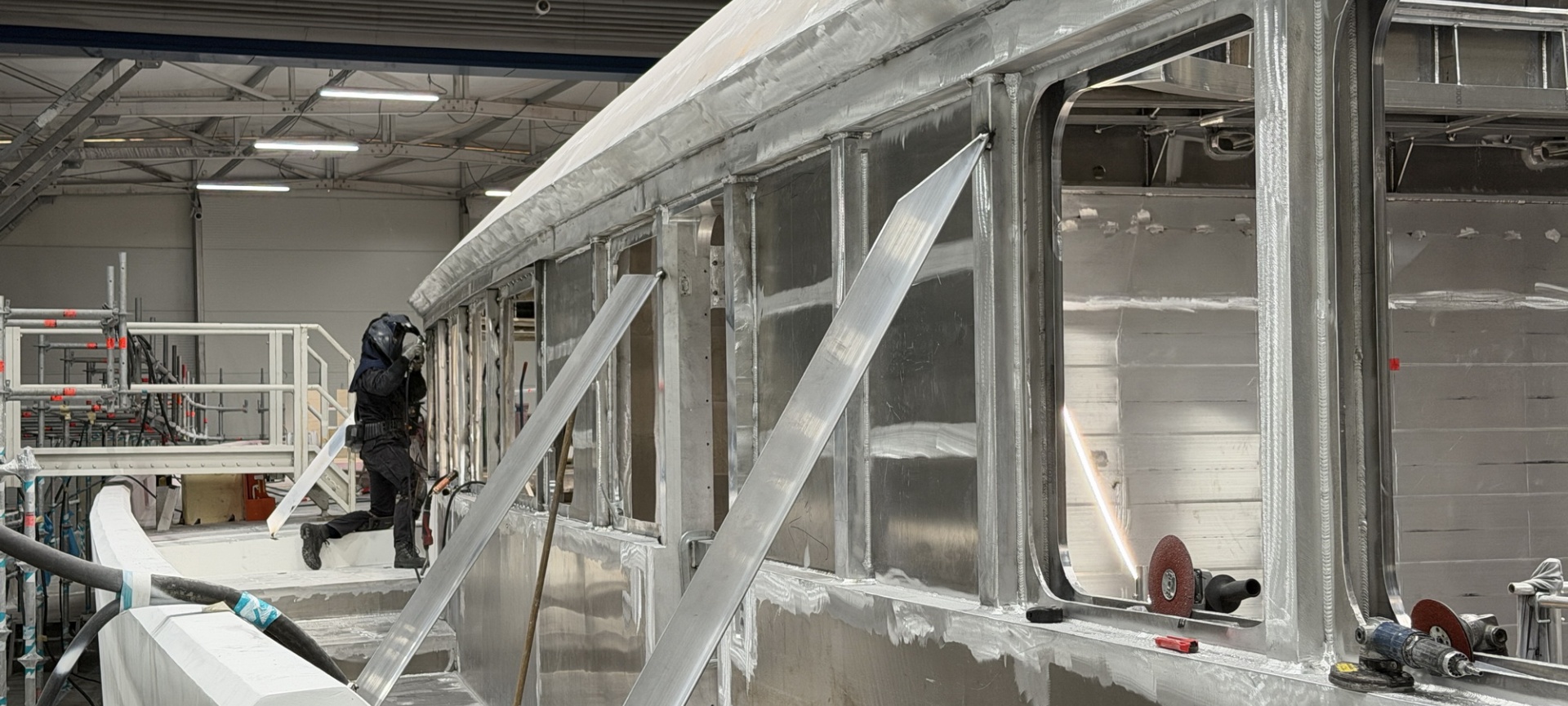
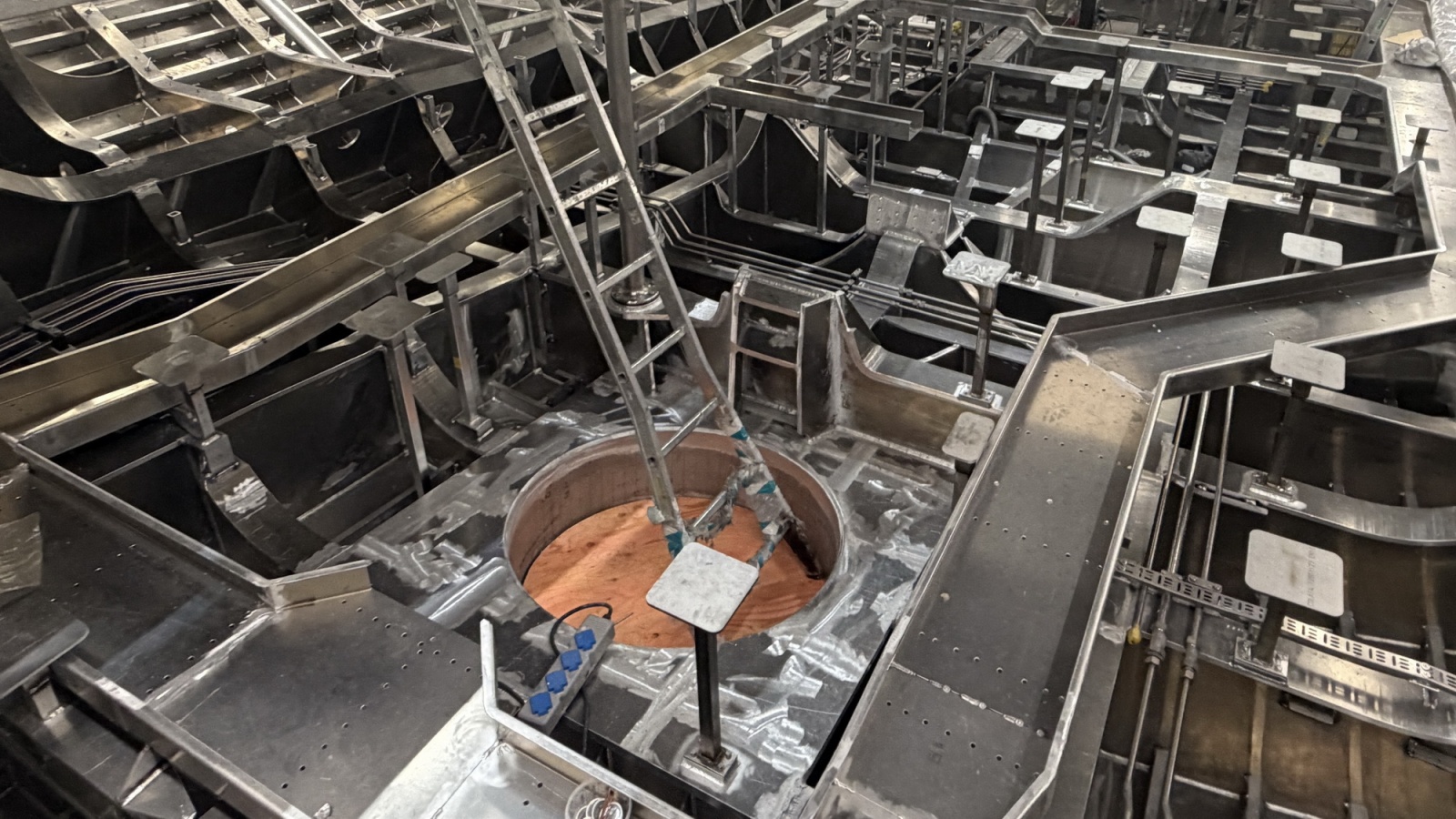
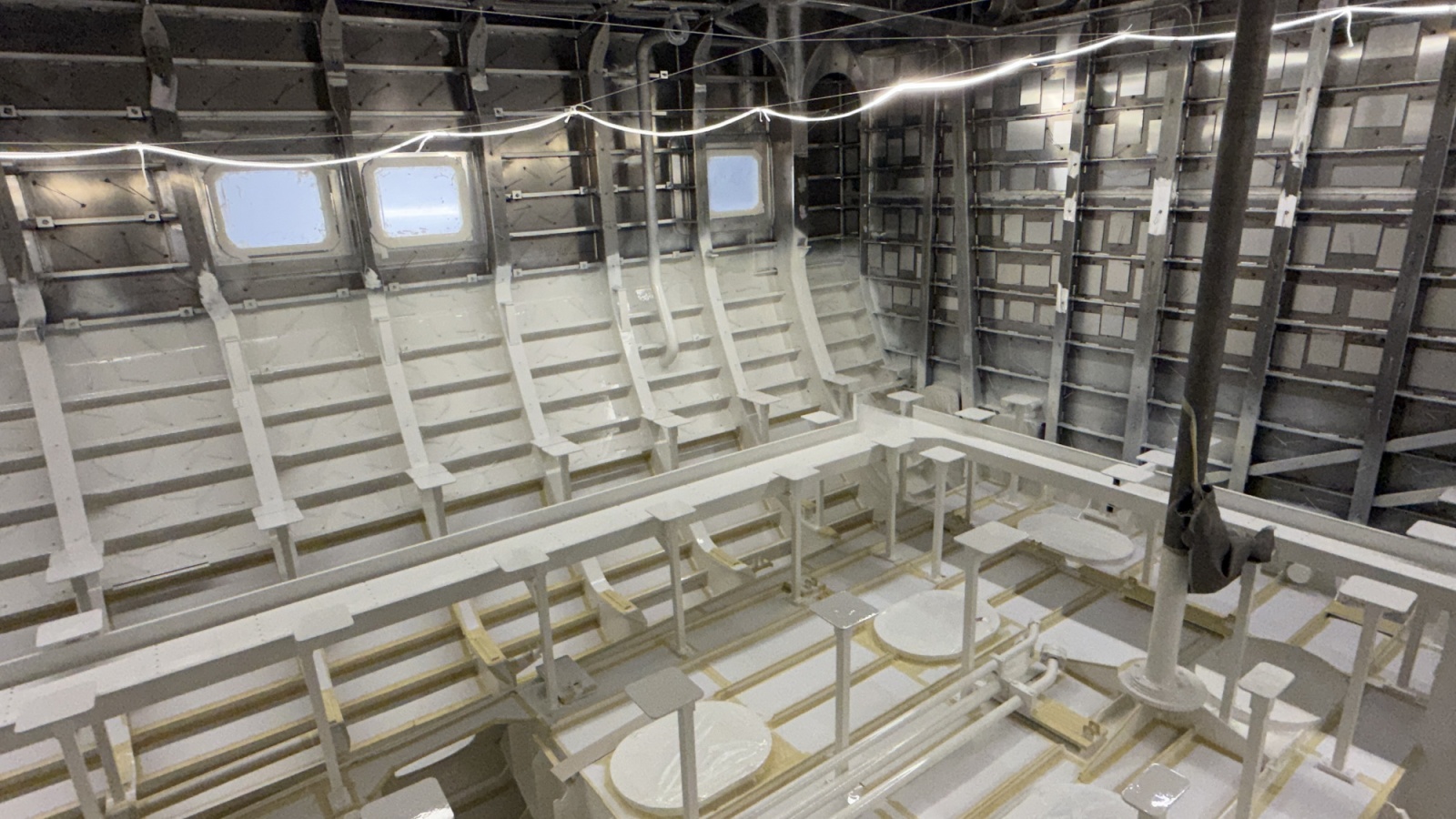
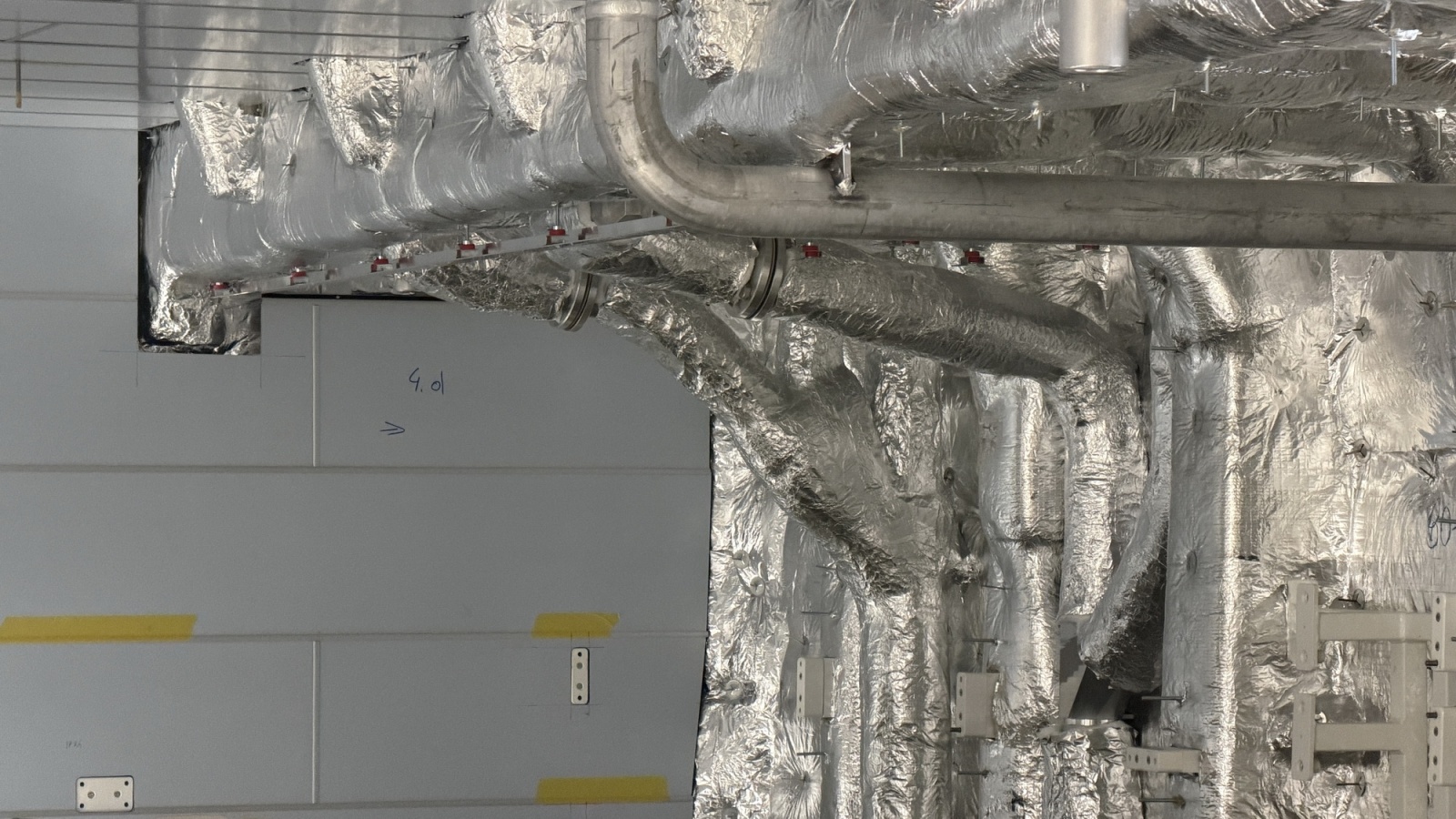
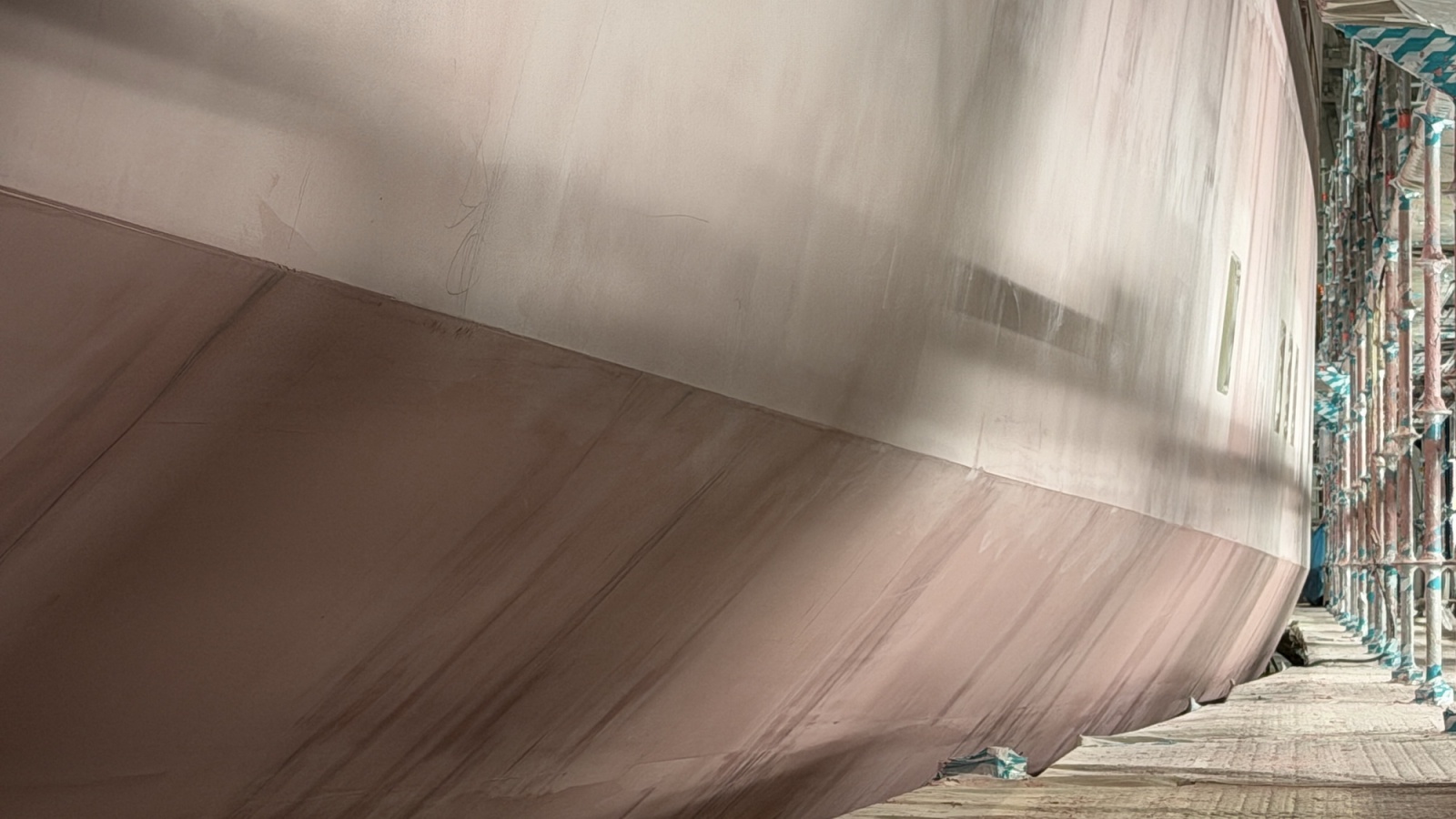
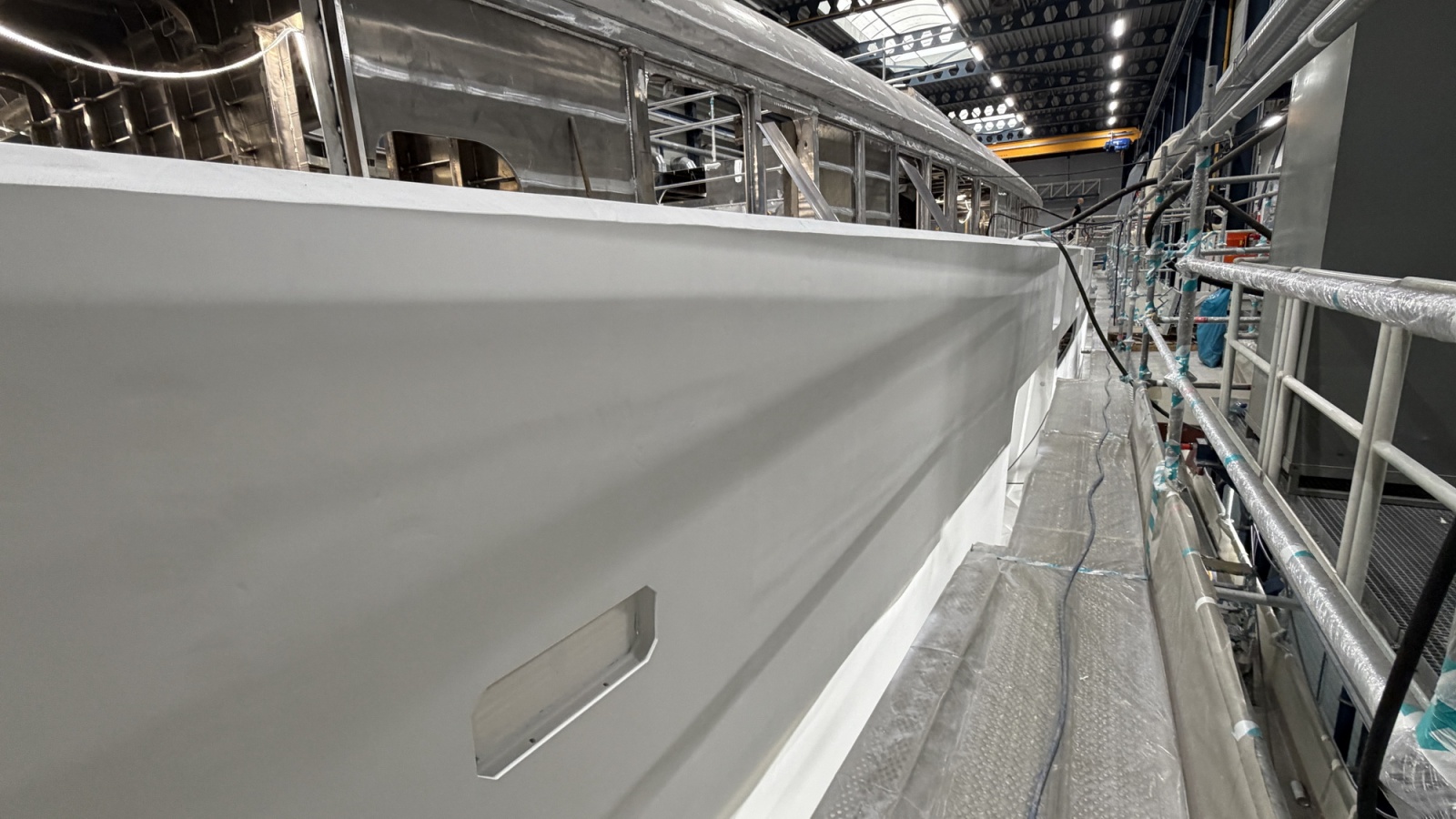
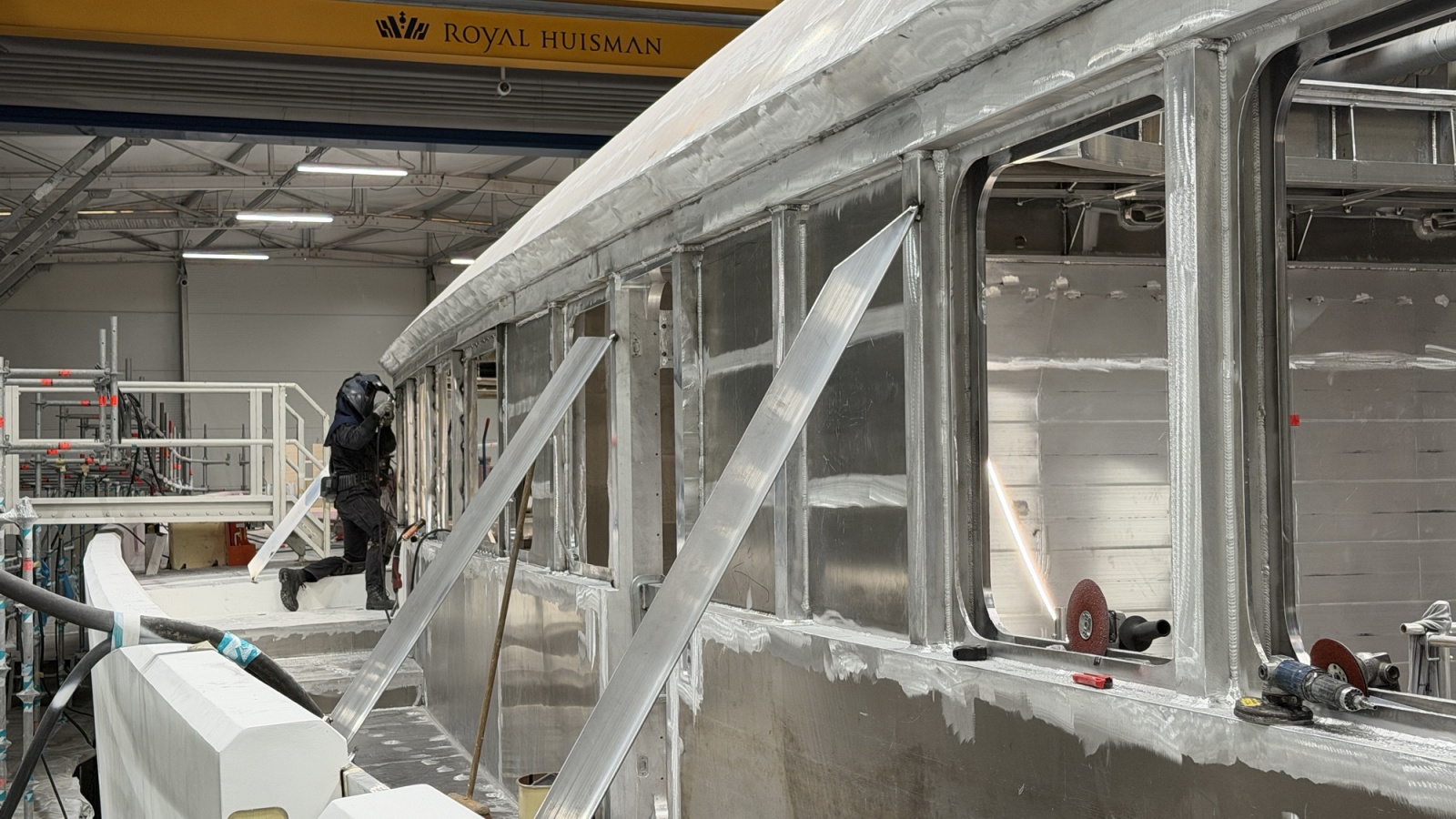
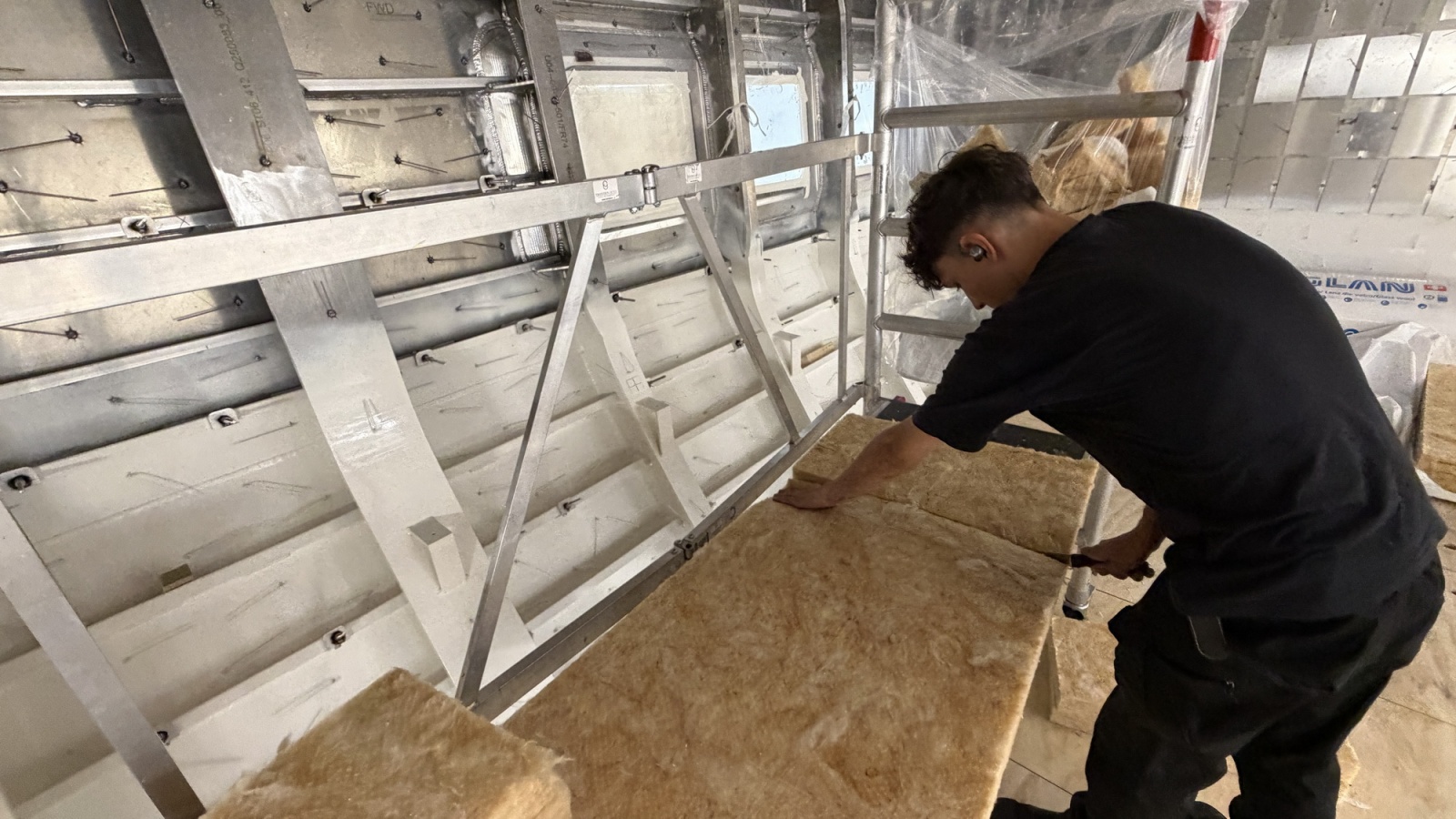
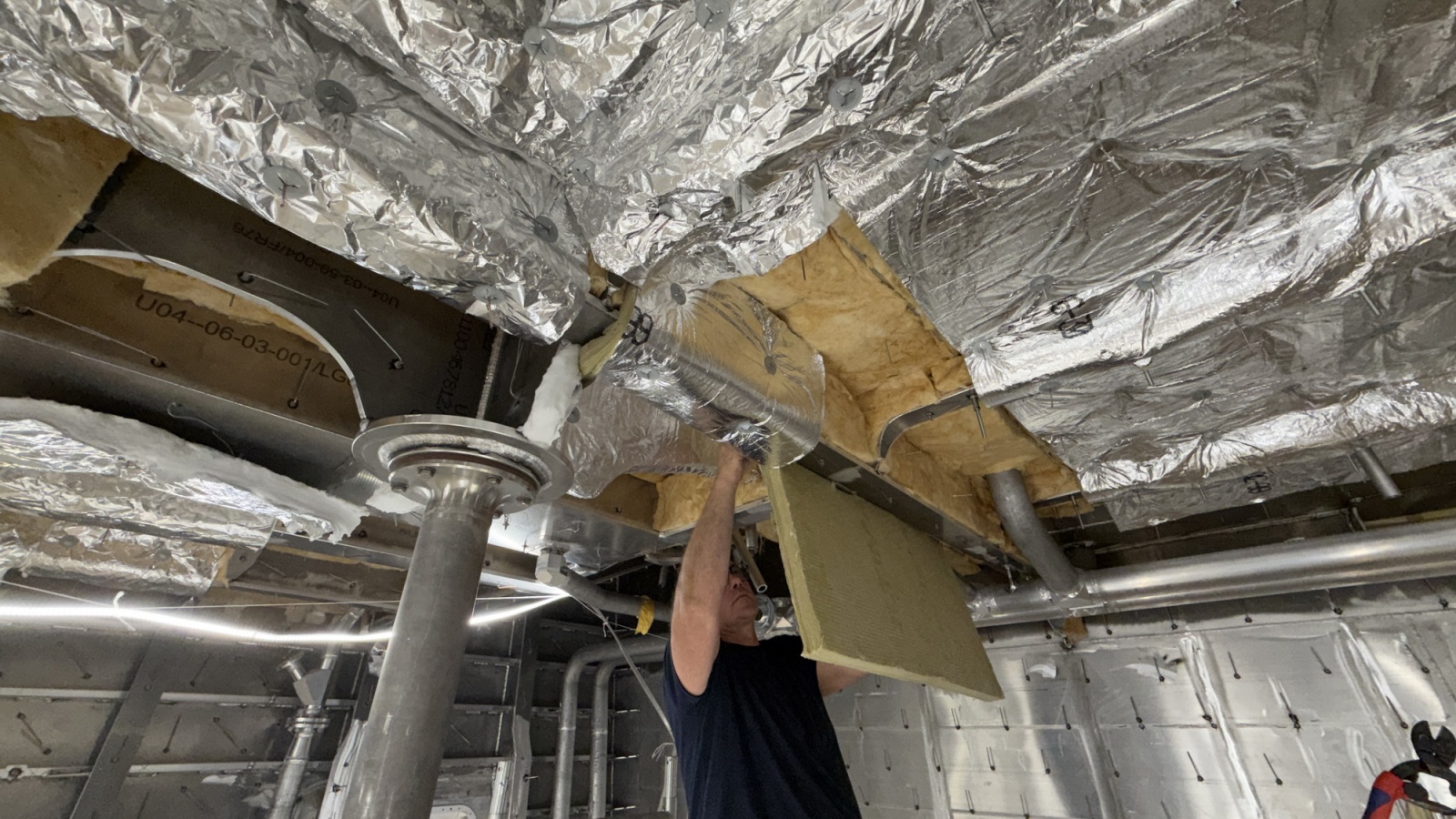
Just four months after the turning of Project 412's hull in March 2026, remarkable progress was already visible. The superstructure had been added, major machinery was installed and preparations for insulation, technical systems and interior outfitting were well underway.
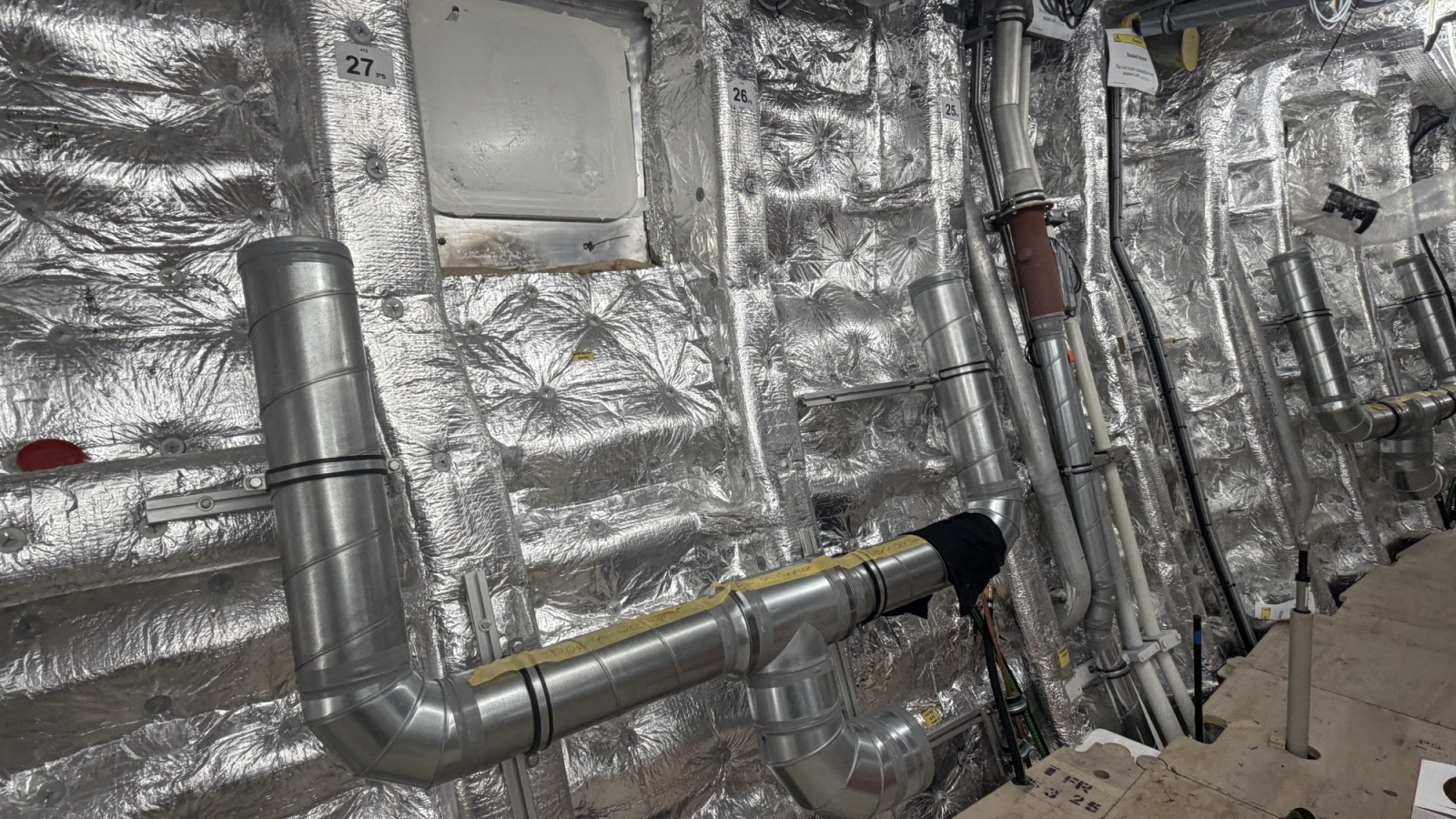
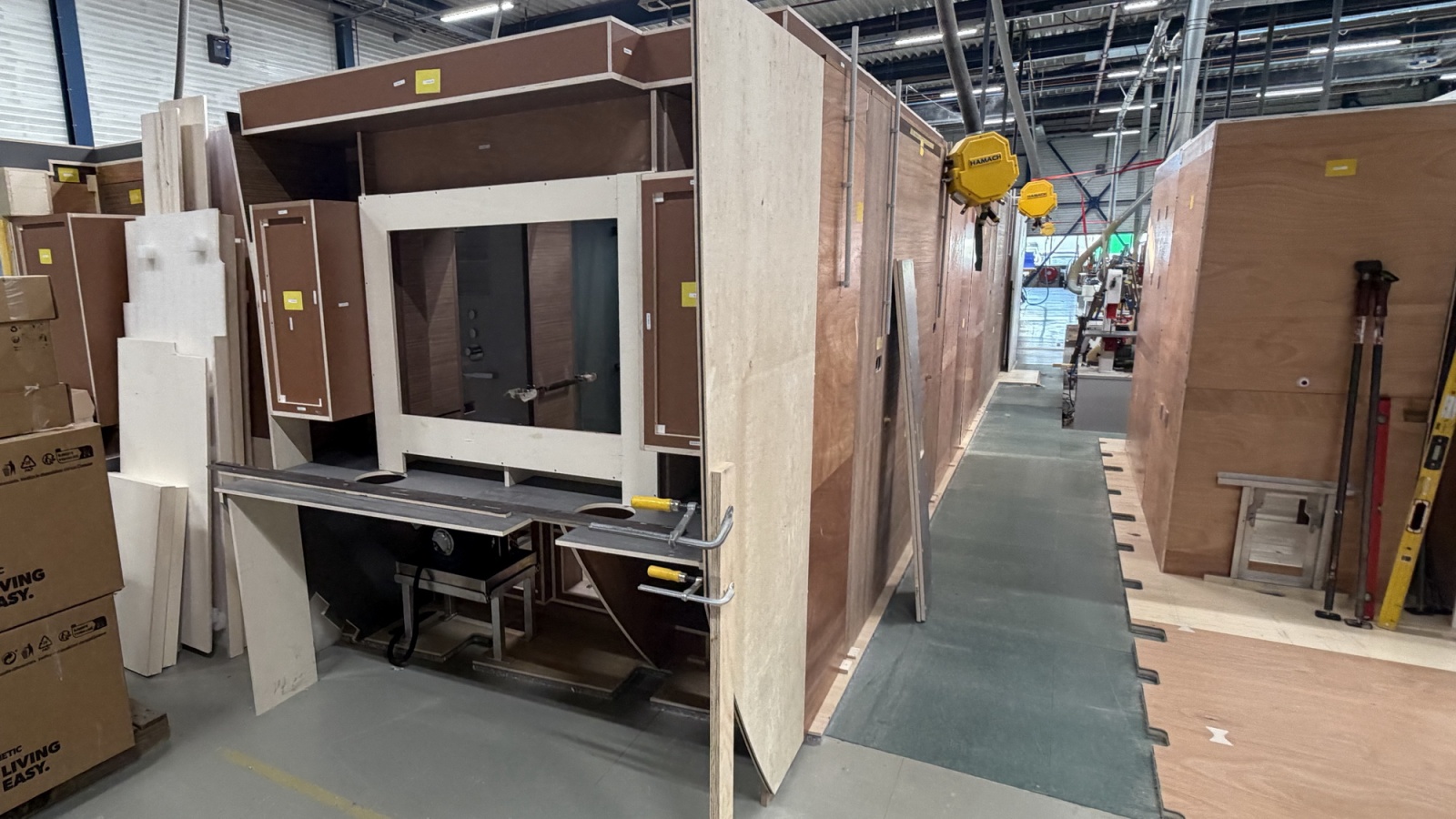
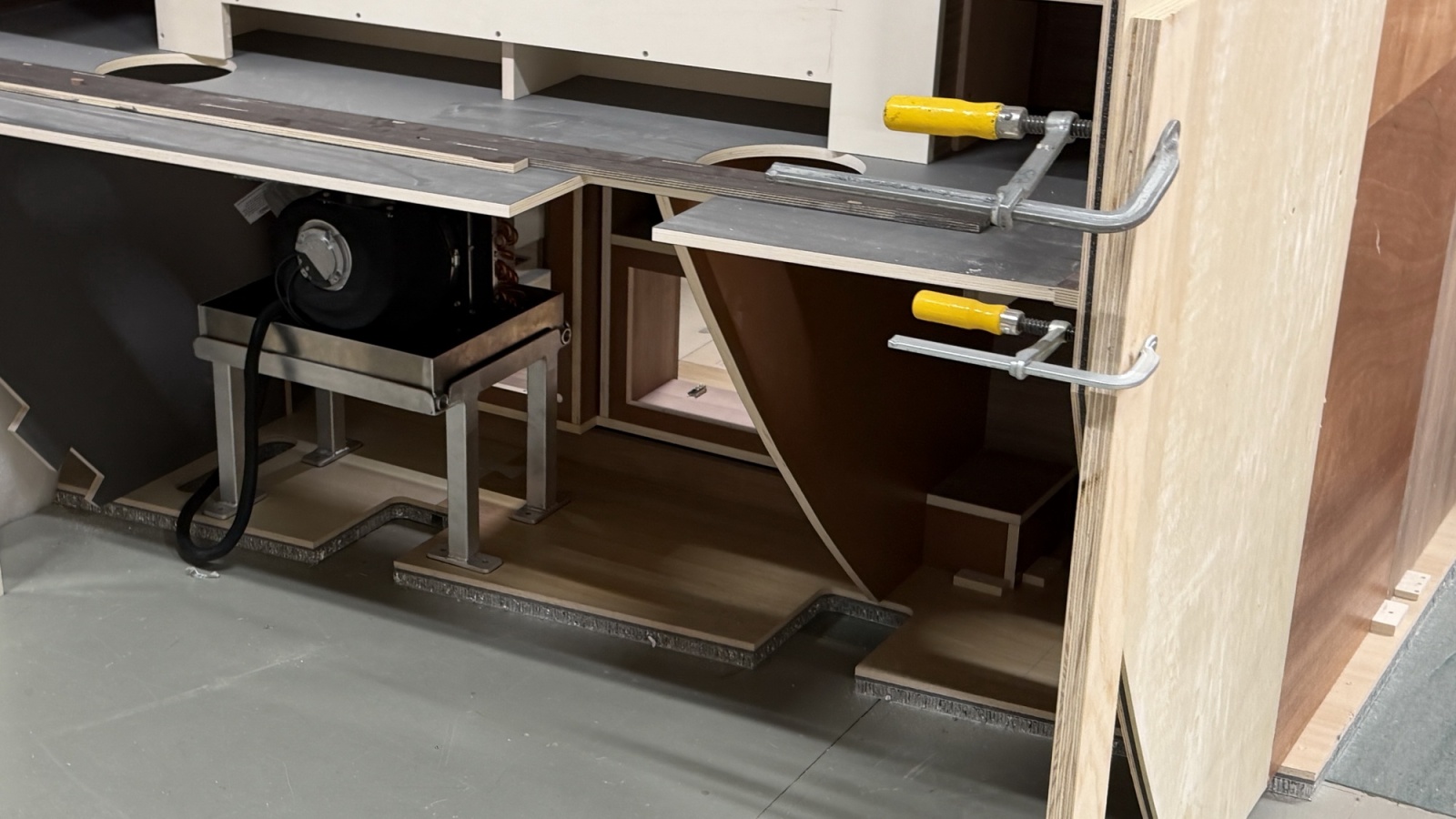
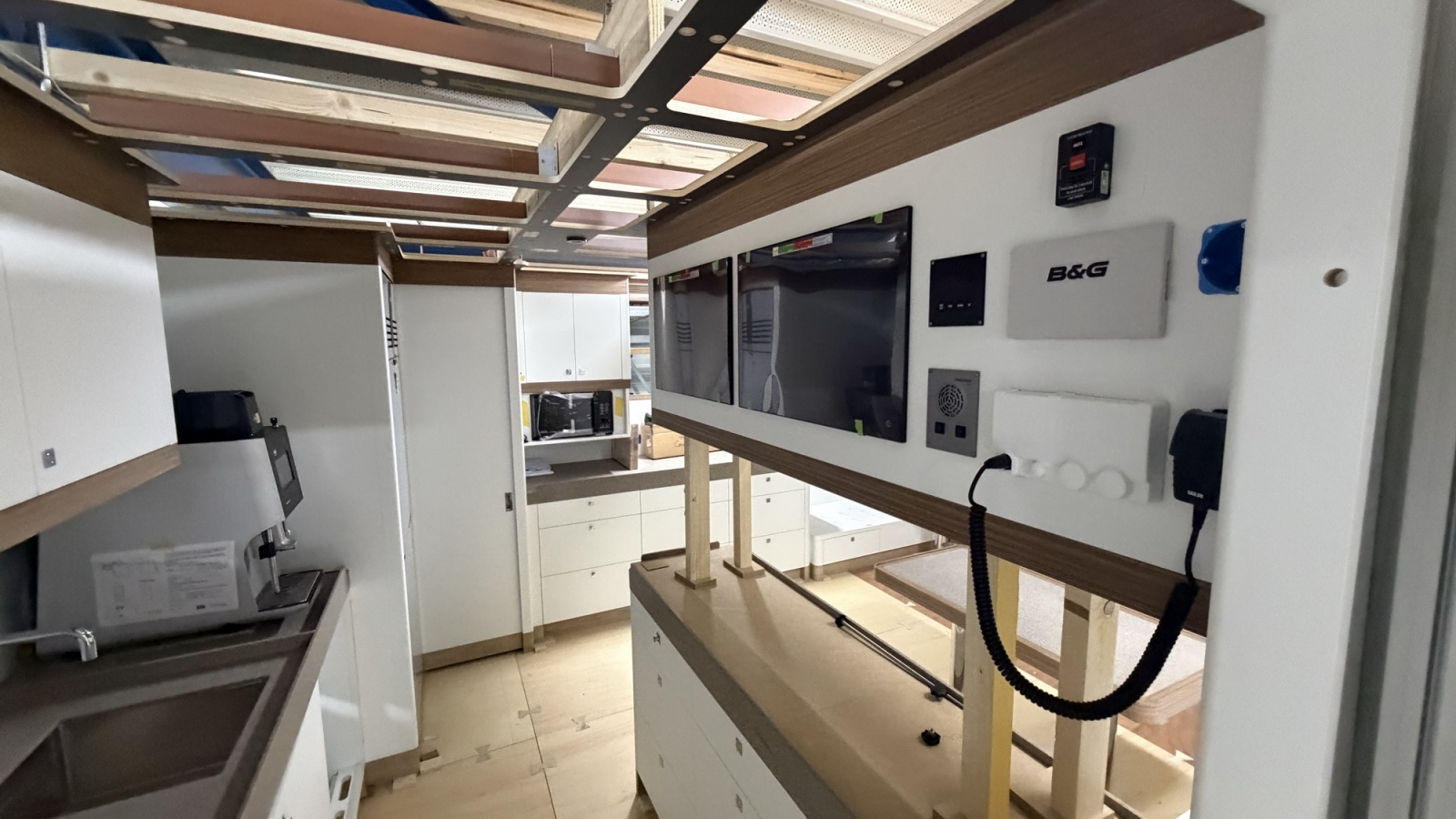
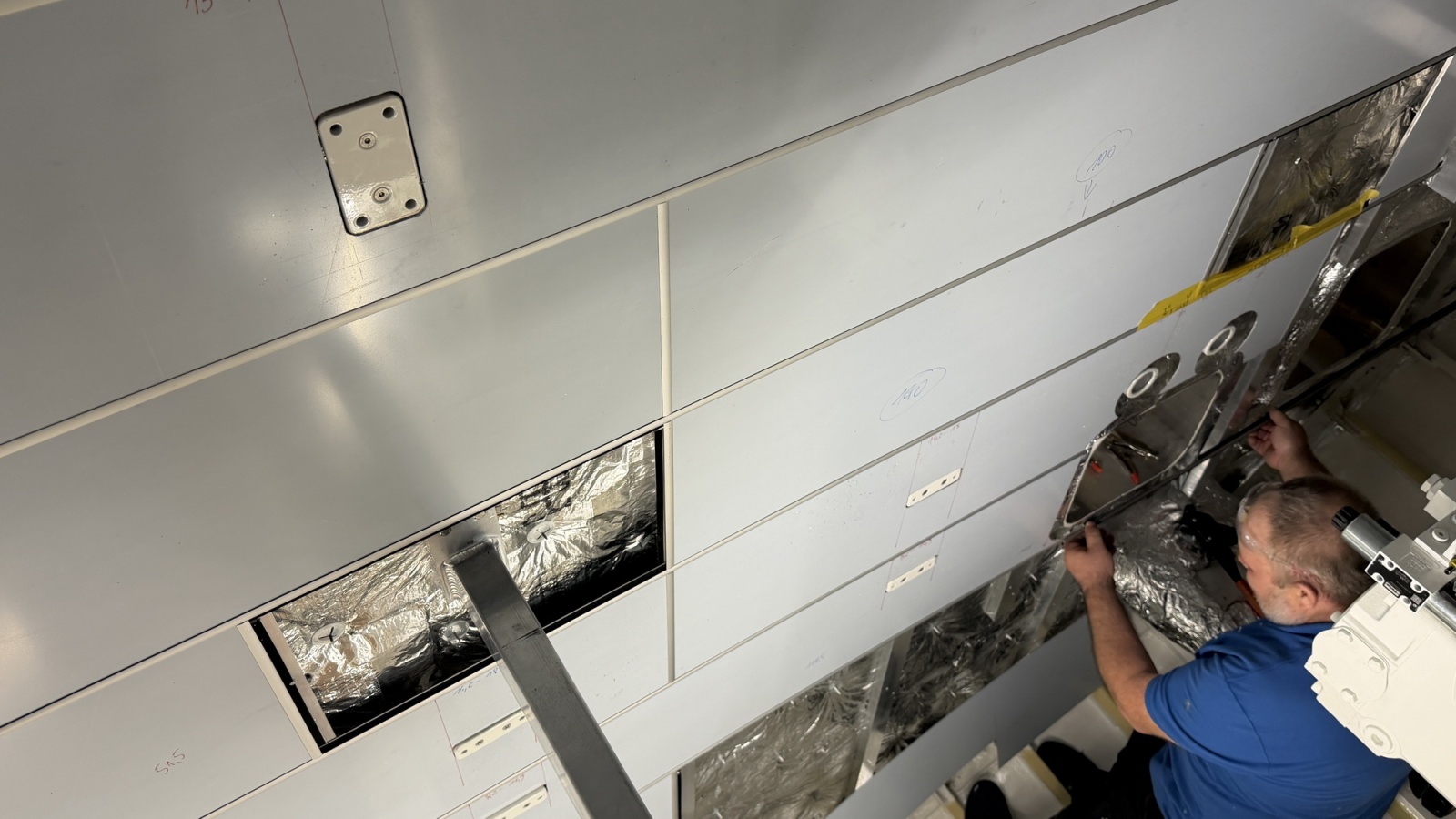
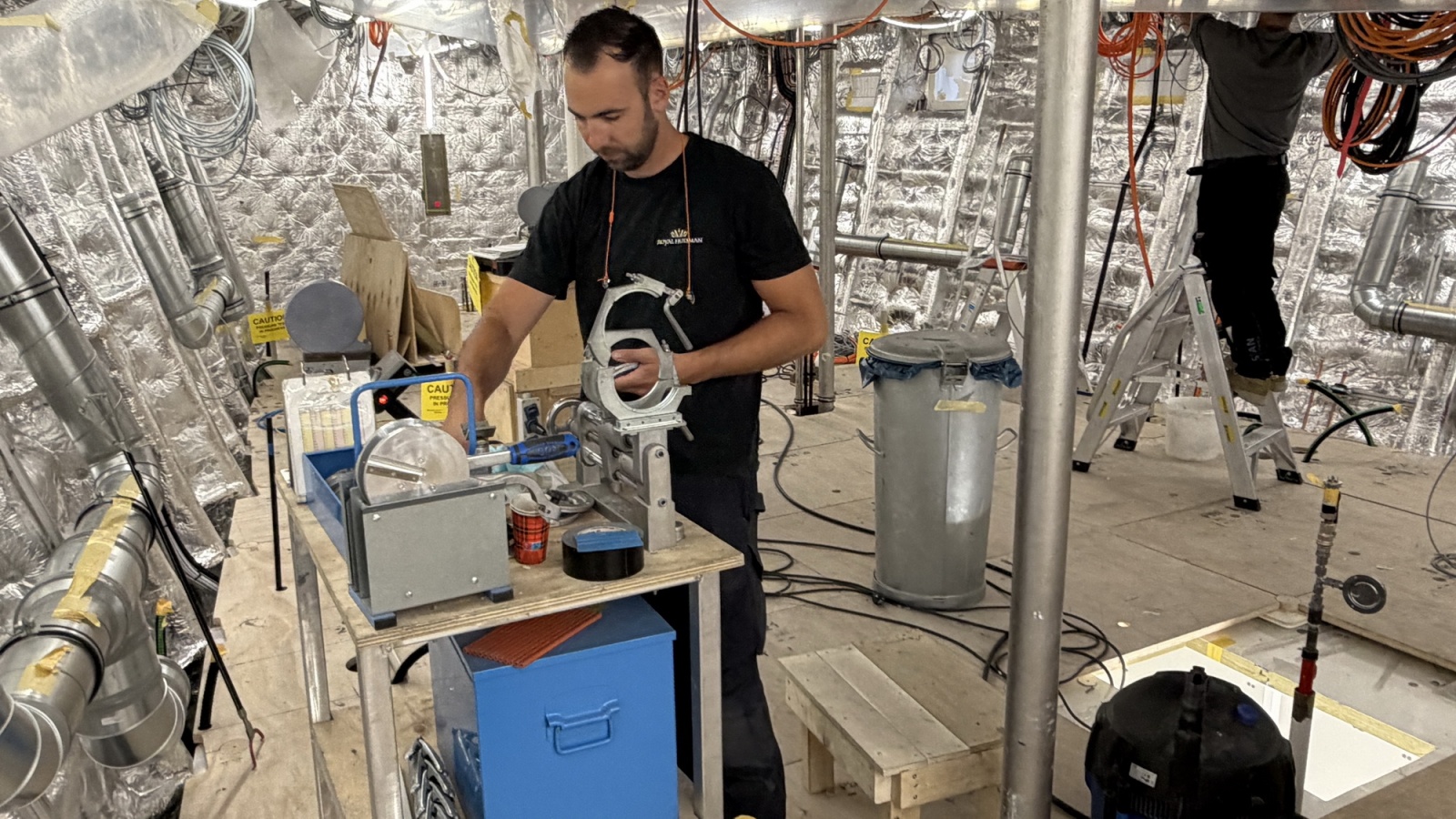
But much of the work was taking place beyond the yacht itself. While construction and installation continued in building Hall 1, Royal Huisman's in-house furniture workshop is producing and assembling interior components. Guest and crew accommodation modules are being prepared, including the integration of technical equipment such as air-conditioning units.
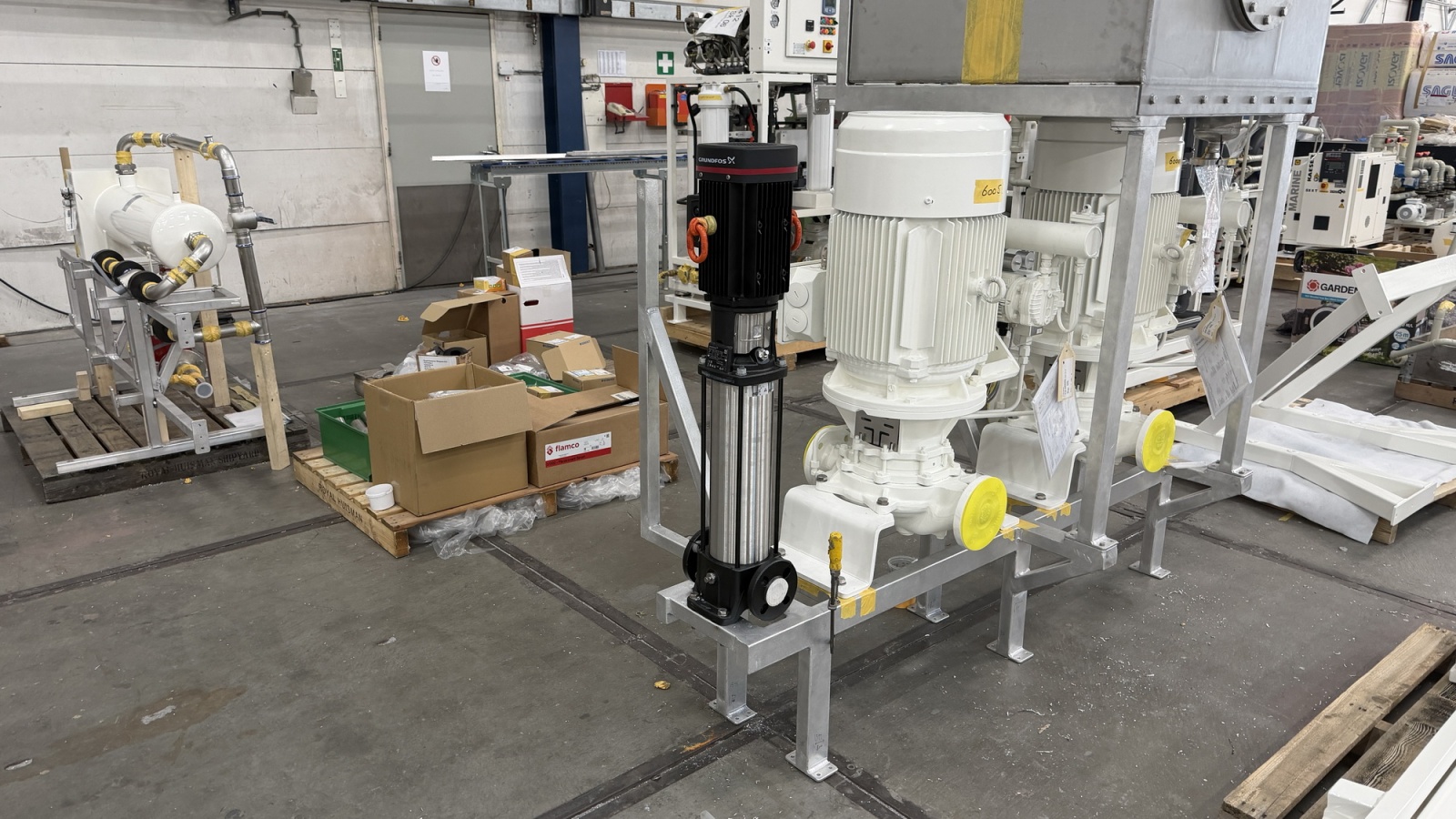
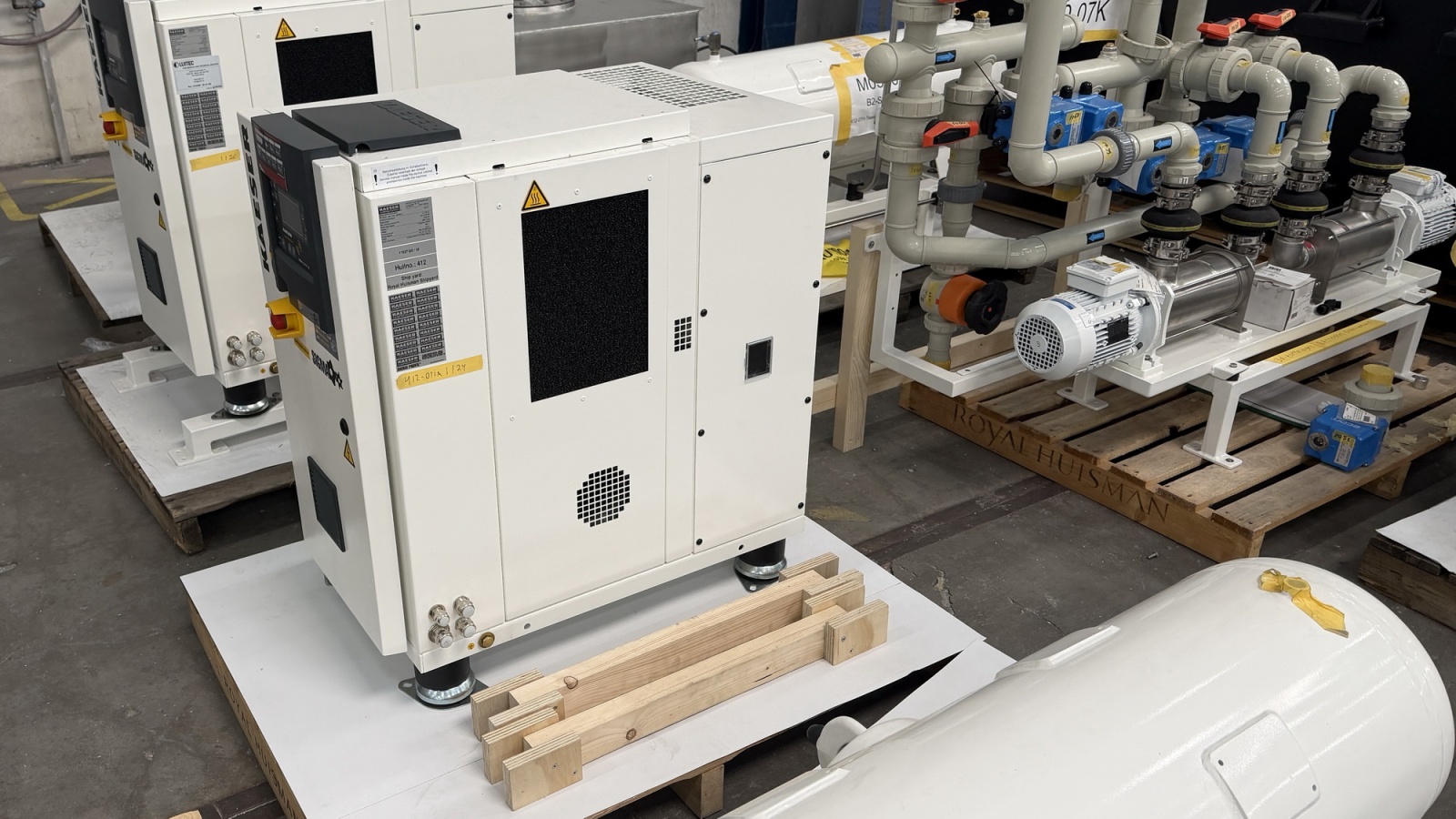
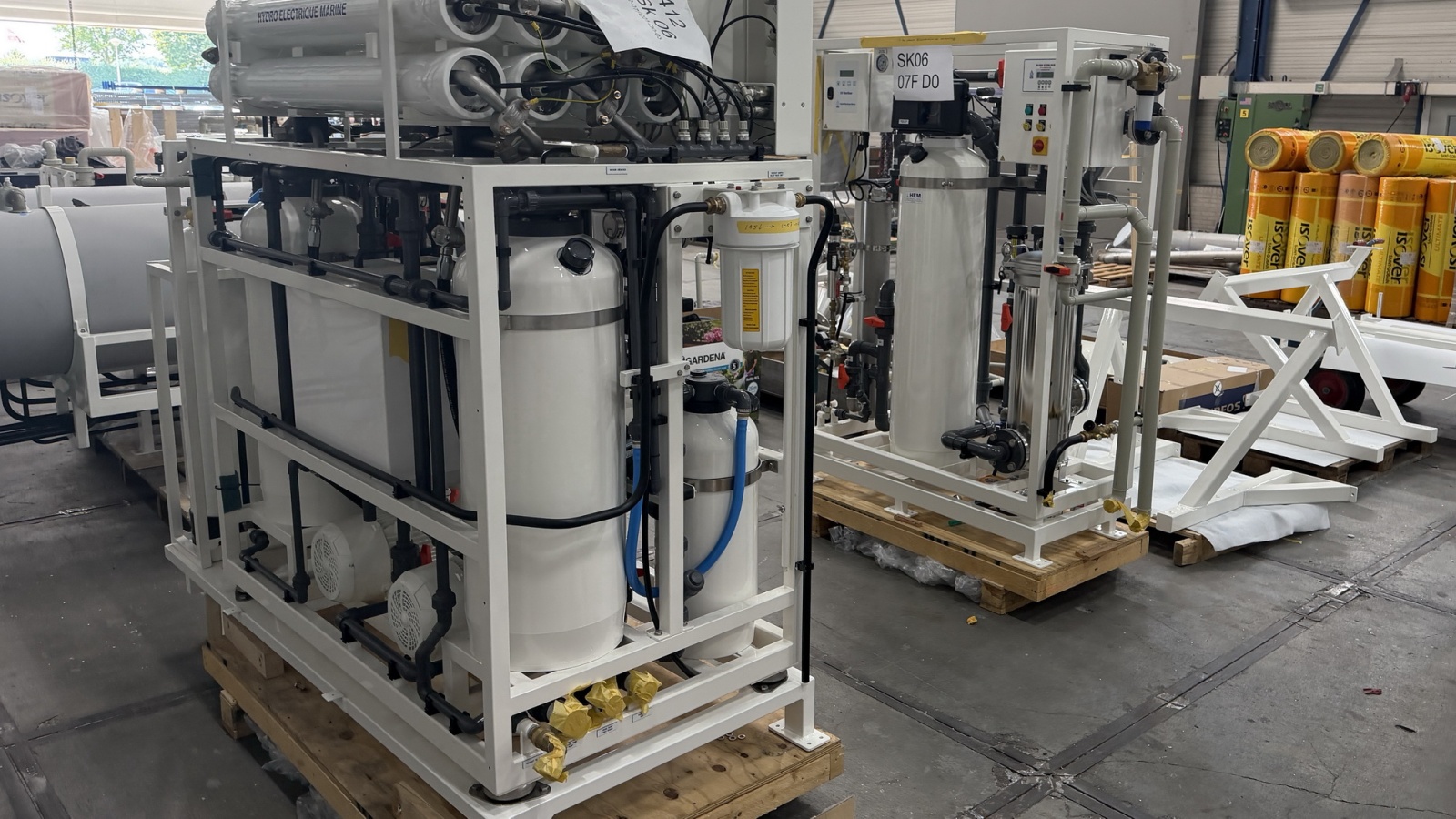
At the same time, the technical department was manufacturing custom-designed skids: compact assemblies carrying equipment, piping and other components for the yacht's onboard systems. These units can be assembled and tested in the workshop before installation on board.
This is concurrent production: different disciplines working in parallel, each following a carefully coordinated plan. By preparing major components independently of the yacht's construction, Royal Huisman can make more effective use of time, facilities and specialist expertise.
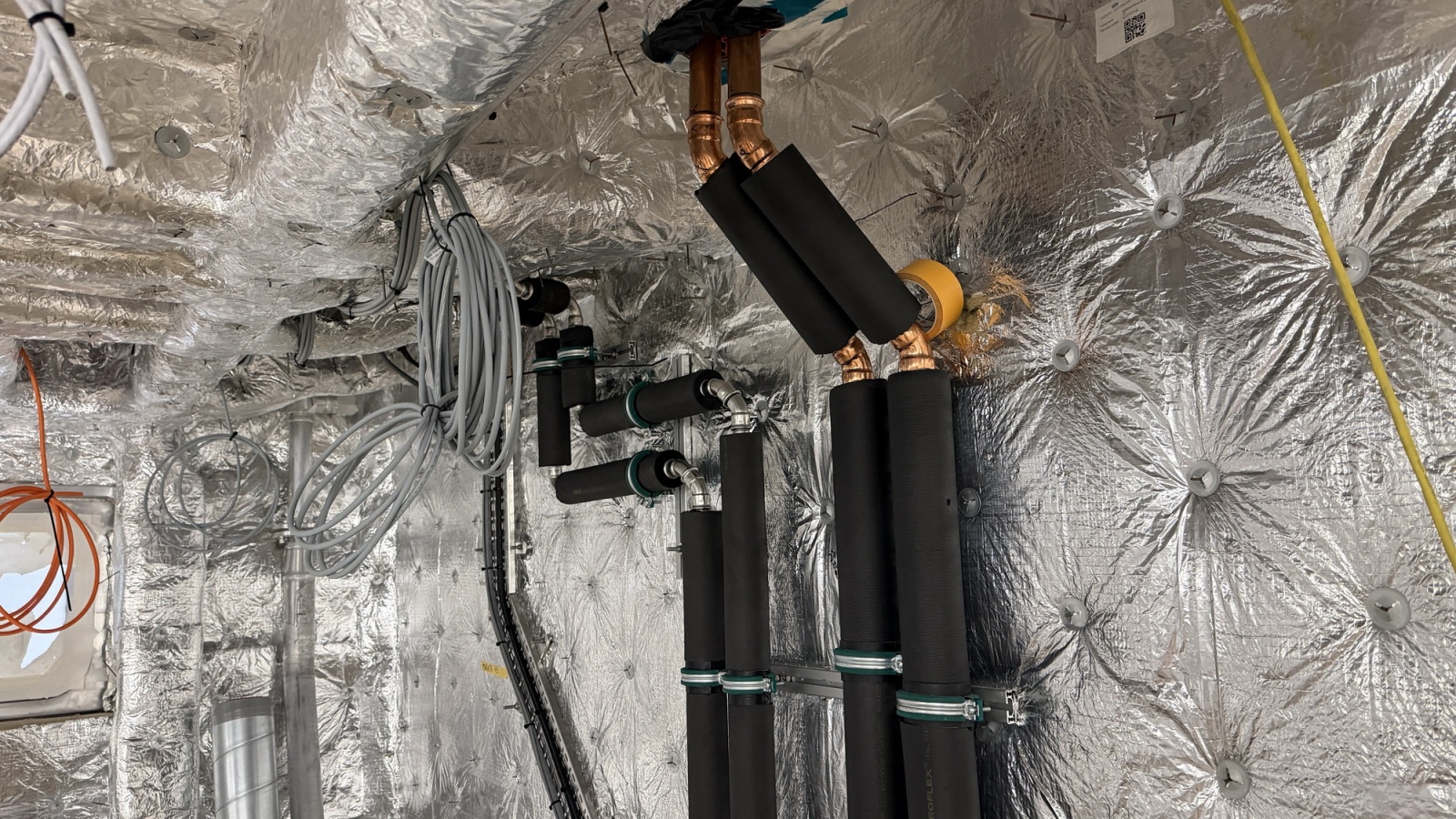
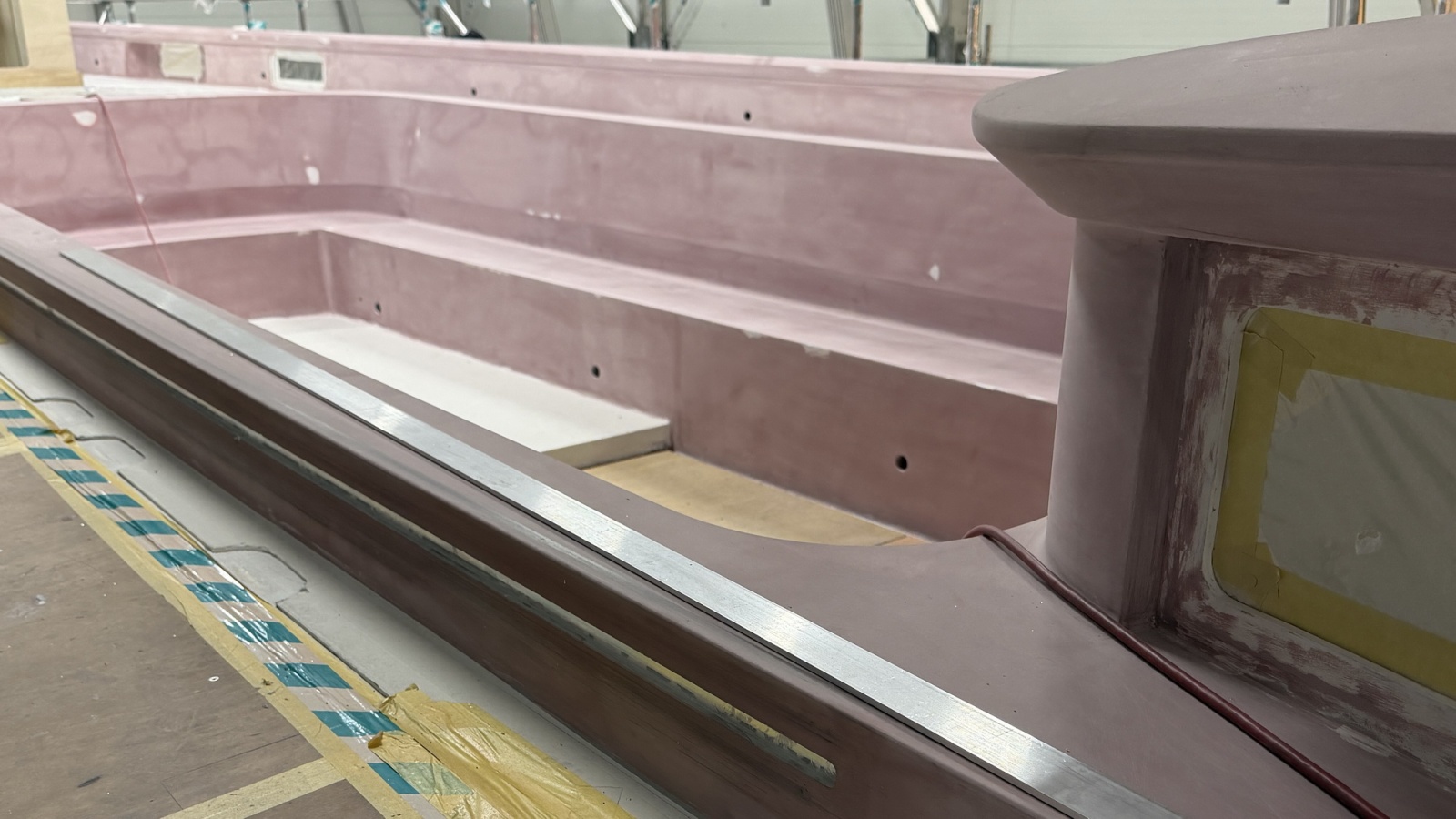
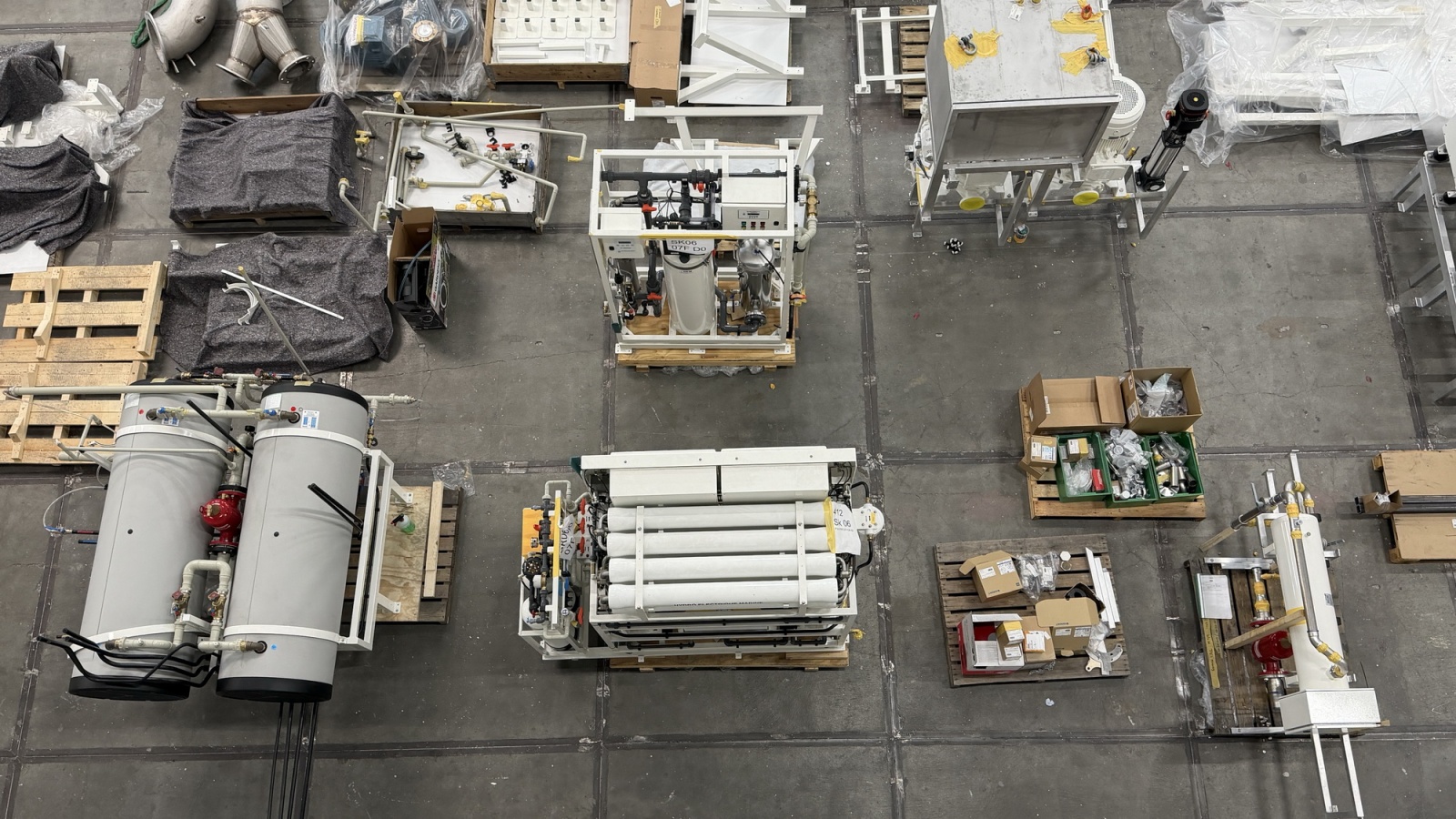
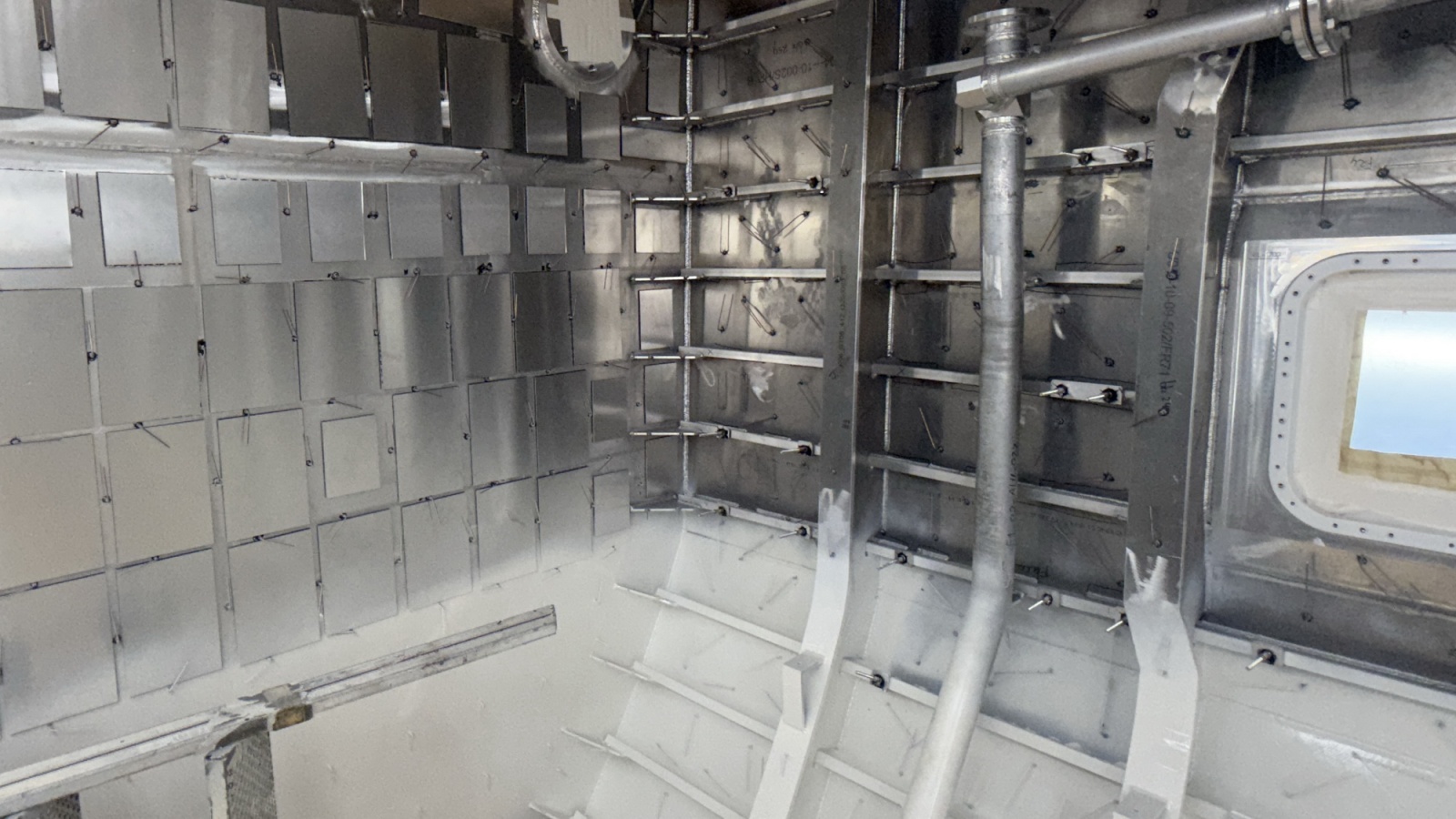
“This is concurrent production: different disciplines working in parallel, each following a carefully coordinated plan”
Precision starts long before production
Behind this coordinated activity lies Royal Huisman's dedicated Stage Gate Program. The process divides each newbuild project into eight principal stages, from initial agreements and concept development through detailed engineering, construction, outfitting, testing and commissioning.
Important milestones are reviewed before the project progresses. Owners and their representatives are closely involved in the early design and engineering stages, helping to ensure that their vision is translated into a thoroughly considered and technically achievable yacht.
Once production begins, the different workstreams are carefully synchronized. Construction units, interior areas, technical installations and deck equipment each follow detailed schedules, with defined responsibilities and milestones.
This disciplined approach is particularly valuable when building yachts of exceptional size and complexity. Decisions taken at the right time help prevent unnecessary rework, while coordinated production supports both quality and delivery planning.
“The result is the best of both worlds: the confidence of an established engineering foundation and the individuality expected of a Royal Huisman superyacht.”
The benefits of building smarter
The advantages extend well beyond the shipyard. For owners, a structured building process provides greater clarity, more predictable progress and confidence that their yacht is being developed with attention to every detail.
For Royal Huisman's craftspeople, concurrent production creates opportunities to complete complex assemblies under controlled workshop conditions. Technical systems can be prepared and tested before they are brought aboard, reducing installation challenges and potential commissioning risks.
And for the finished yacht, the benefits become evident in the seamless integration of engineering, technology and craftsmanship.
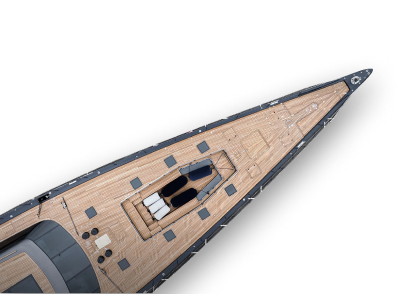
Project 412 is a particularly compelling example. Part of the Trident 810 series, the schooner combines a proven architectural foundation with extensive opportunities for owner personalization. She is scheduled for delivery in 2028 and will feature a carbon rig and integrated sailing system supplied by Royal Huisman's sister company Rondal.
The result is the best of both worlds: the confidence of an established engineering foundation and the individuality expected of a Royal Huisman superyacht.
“Exceptional craftsmanship is not only about what is built, but also about how it is built”
See concurrent production in action
The video embedded at the top of this Inhuis article takes viewers behind the scenes of Project 412, from the advancing construction of her hull and superstructure to the parallel work in Royal Huisman's furniture workshop and technical department.
It offers a rare insight into the remarkable coordination behind every Royal Huisman yacht. Because exceptional craftsmanship is not only about what is built, but also about how it is built.
Discover more about Project 412 and the Trident 810 series.


