
The Royal Huisman alphabet
Royal Huisman baseline project coding system
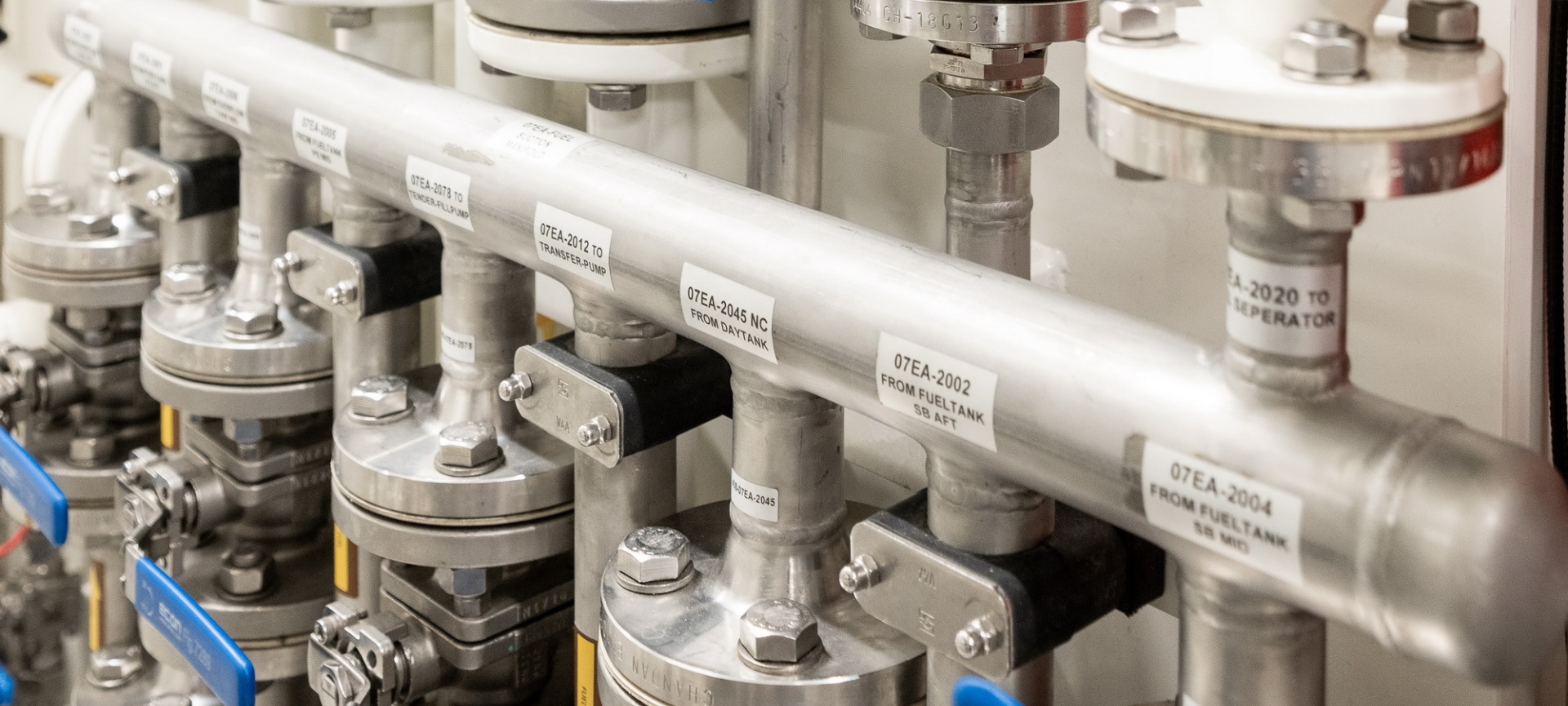
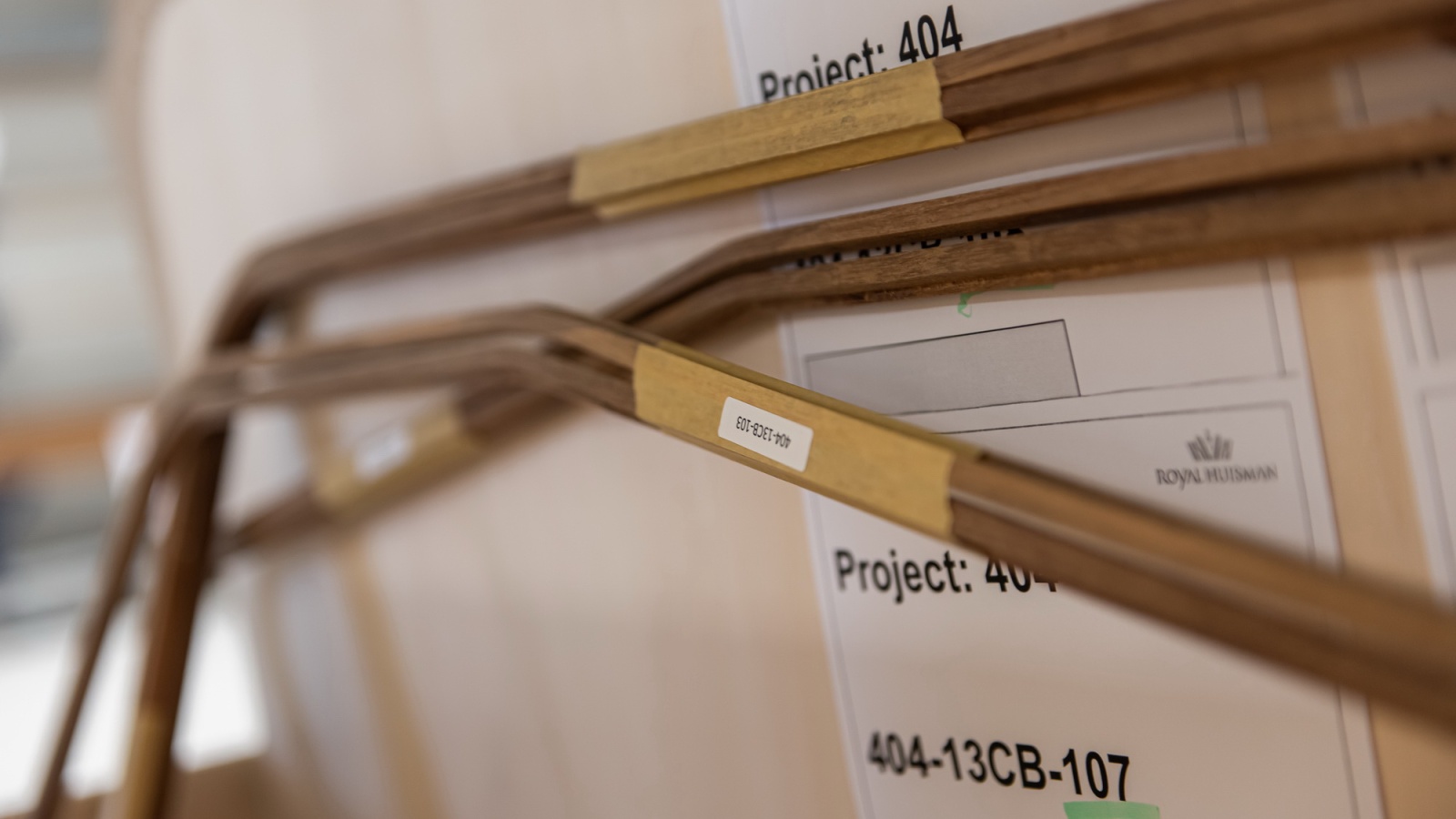
Behind every Royal Huisman yacht lies a language of its own: a structured and standardized coding system that allows the inhouse team, owner’s team and crew to identify parts, drawings, budgets, spaces and onboard systems with precision. It may look like an alphabet of abbreviations, numbers and letters, but it is one of the practical foundations for keeping complex projects clear, traceable and manageable throughout their lifetime. In case co-makers are involved, their full scope is allocated within a specific main or sub code of the Royal Huisman alphabet.
The Baseline Project Coding System secures the coding principles and administrative procedures for newbuild projects. It is particularly relevant for project managers, project controllers, purchasers, engineers. Yet, its value extends beyond the build phase. The same structure supports materials, logistics, worklists and service activities.
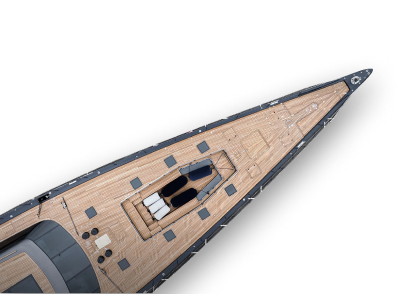
Coded from bow to stern
At the heart of the system is the Engineering Coding System, used in specifications, drawing packages, reports, archiving and the network structure. It consists of 25 specified main groups, numbered 01 through 25, covering disciplines and systems from General, Construction and Propulsion to Board Systems, Electrical Systems, Interior, Deck Equipment, Safety Equipment, Paintwork, Spars, Rigging and Sails. Main groups 26 through 30 are reserved for weight calculation procedures.
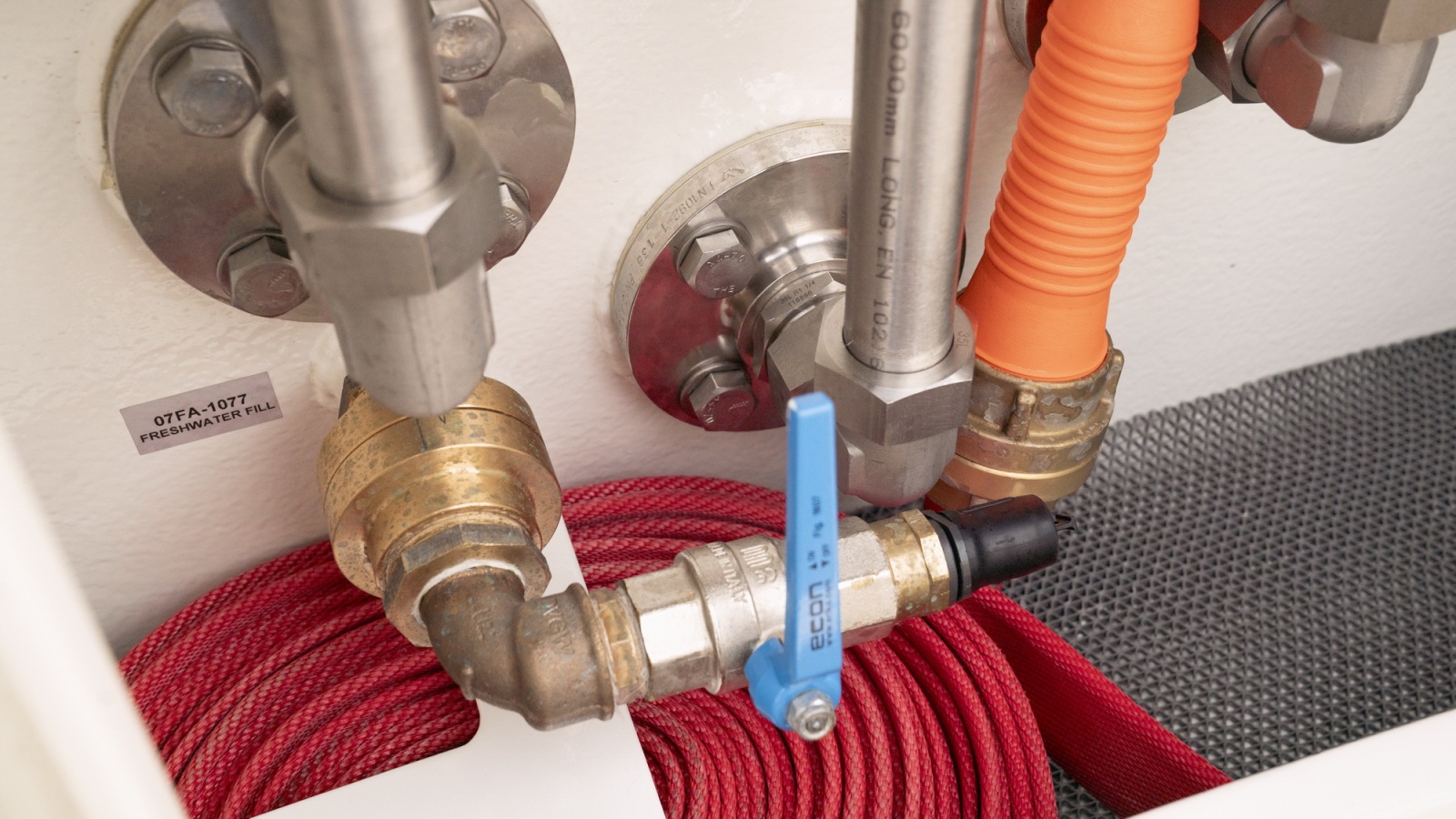
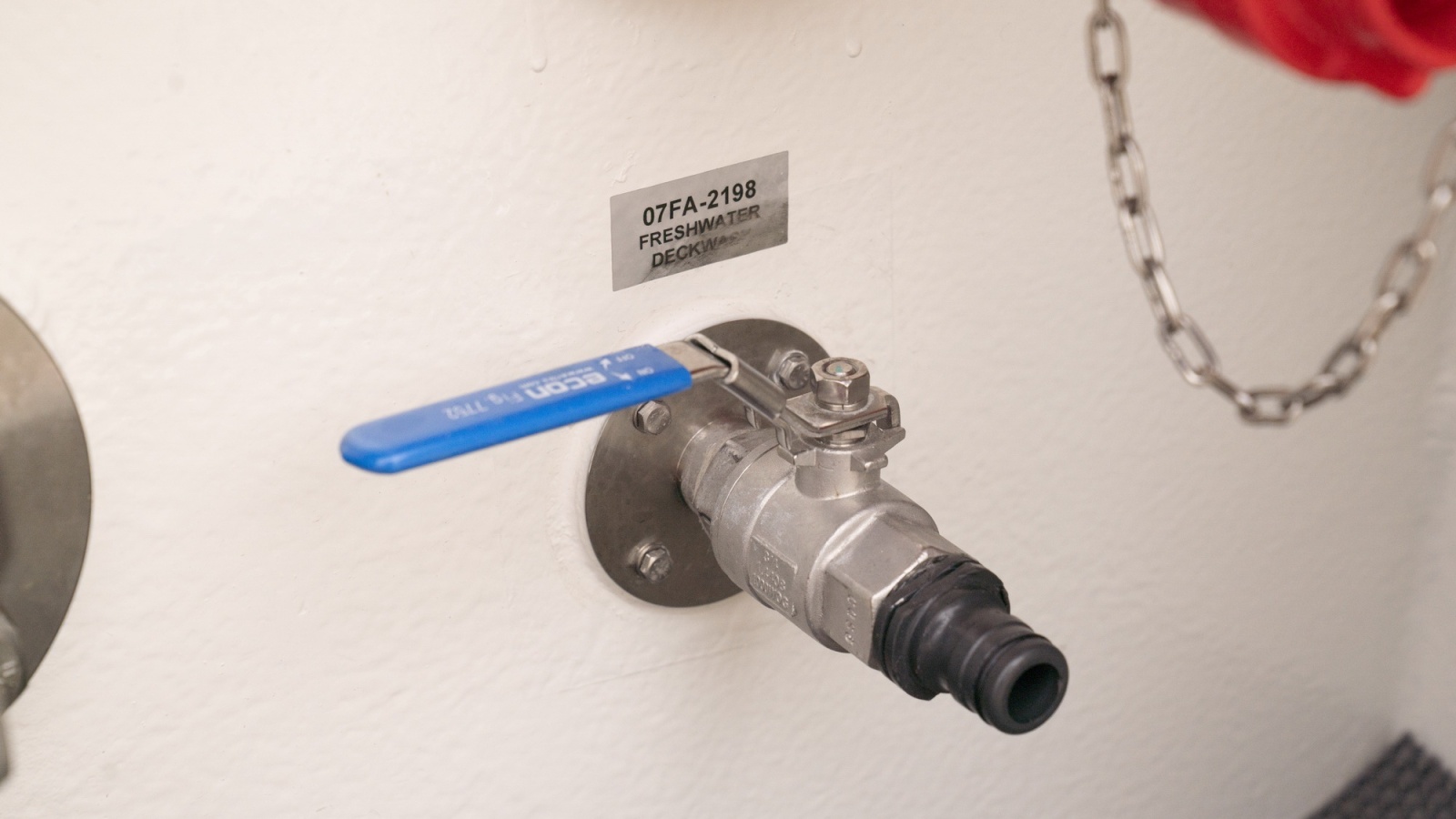
Each main group is divided into predetermined subgroups, identified by letters from A to Z. Examples include 01A for General Conditions, 07B for Bilge System and 15D for Blocks, Tracks and Eyeplates. A fourth letter can be added for detailed engineering purposes, such as 15BC for Doors, 02CL for Tank Tops and 12CB for Galley.
Spaces, systems and budgets
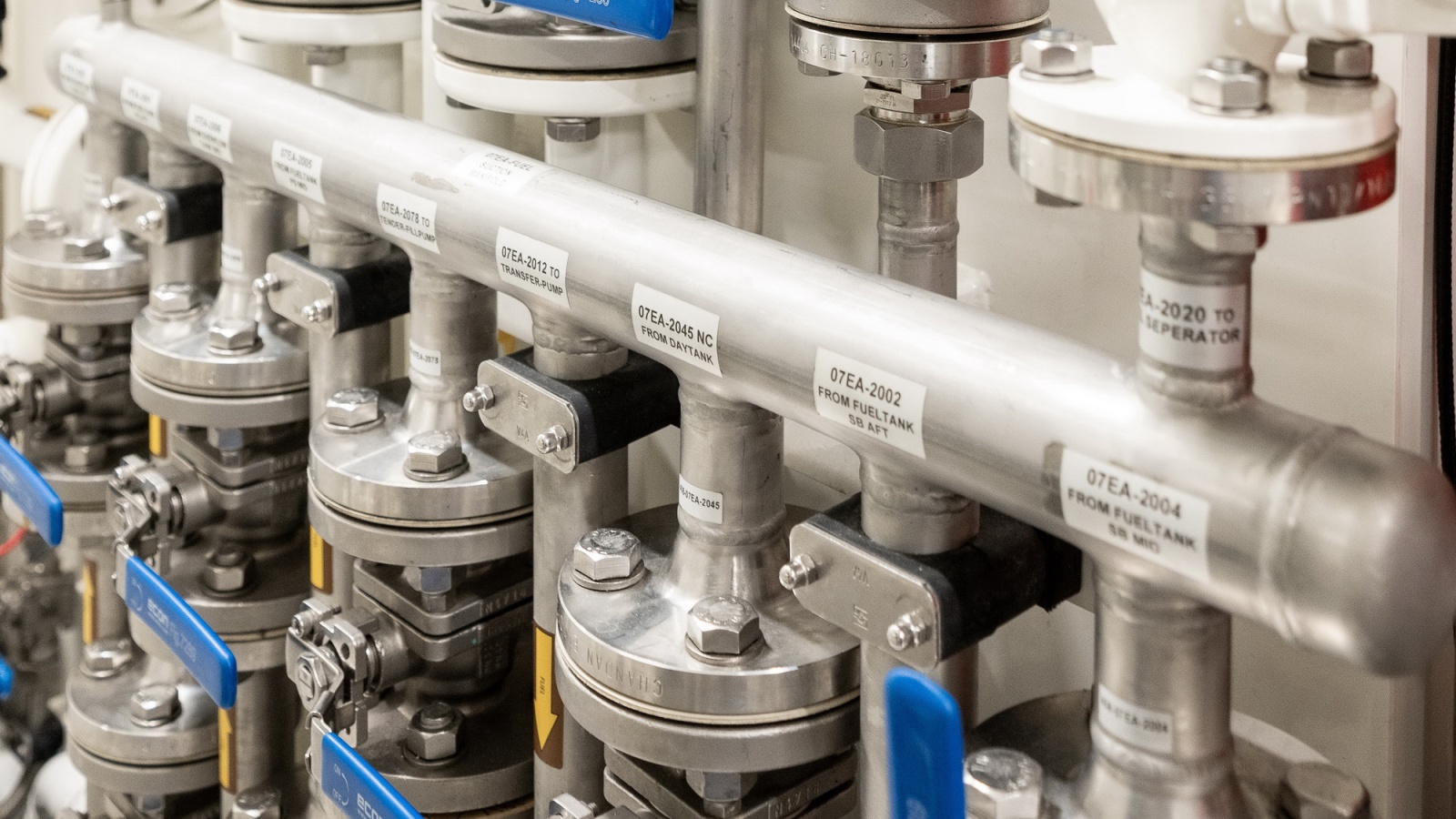
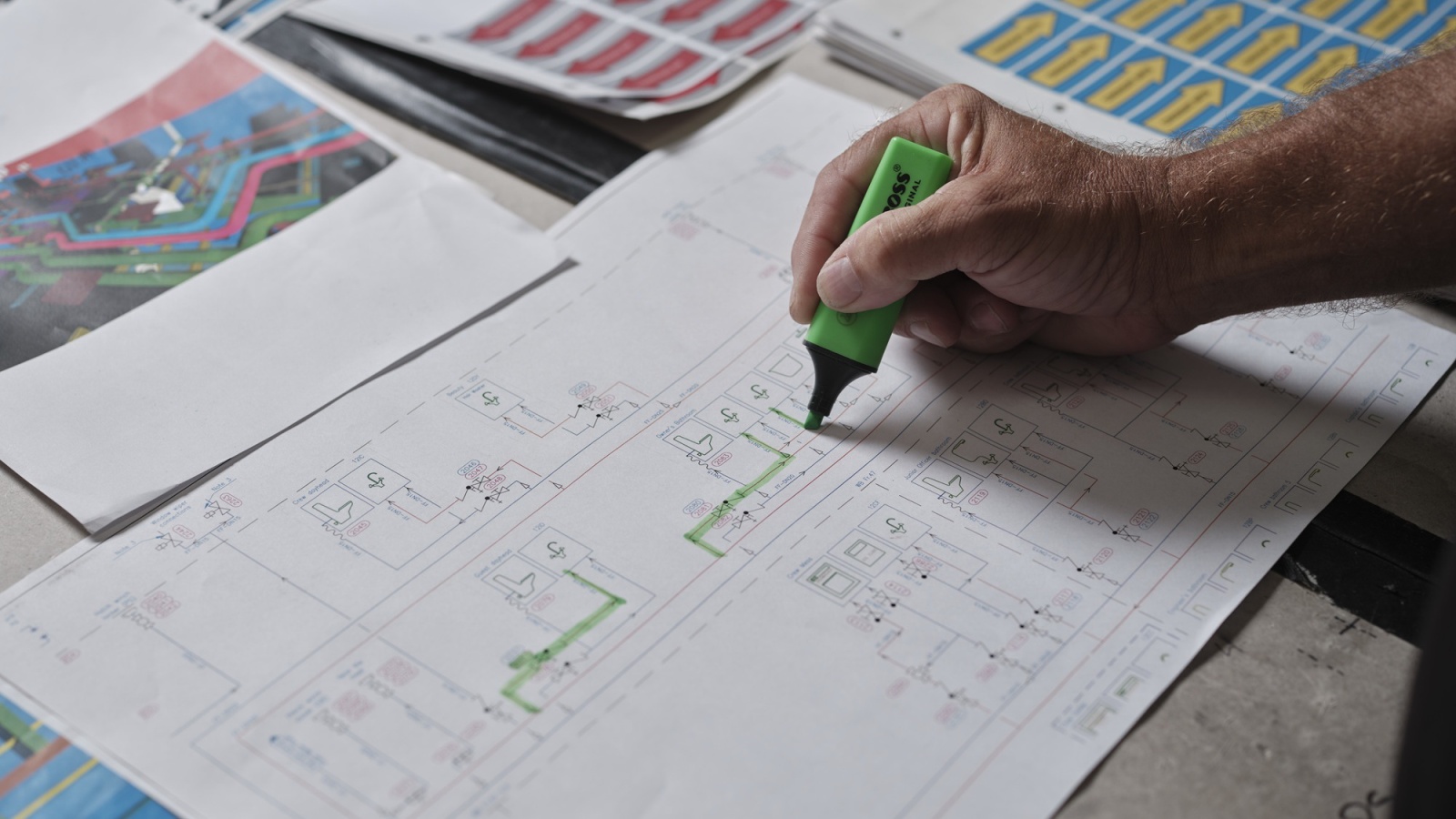
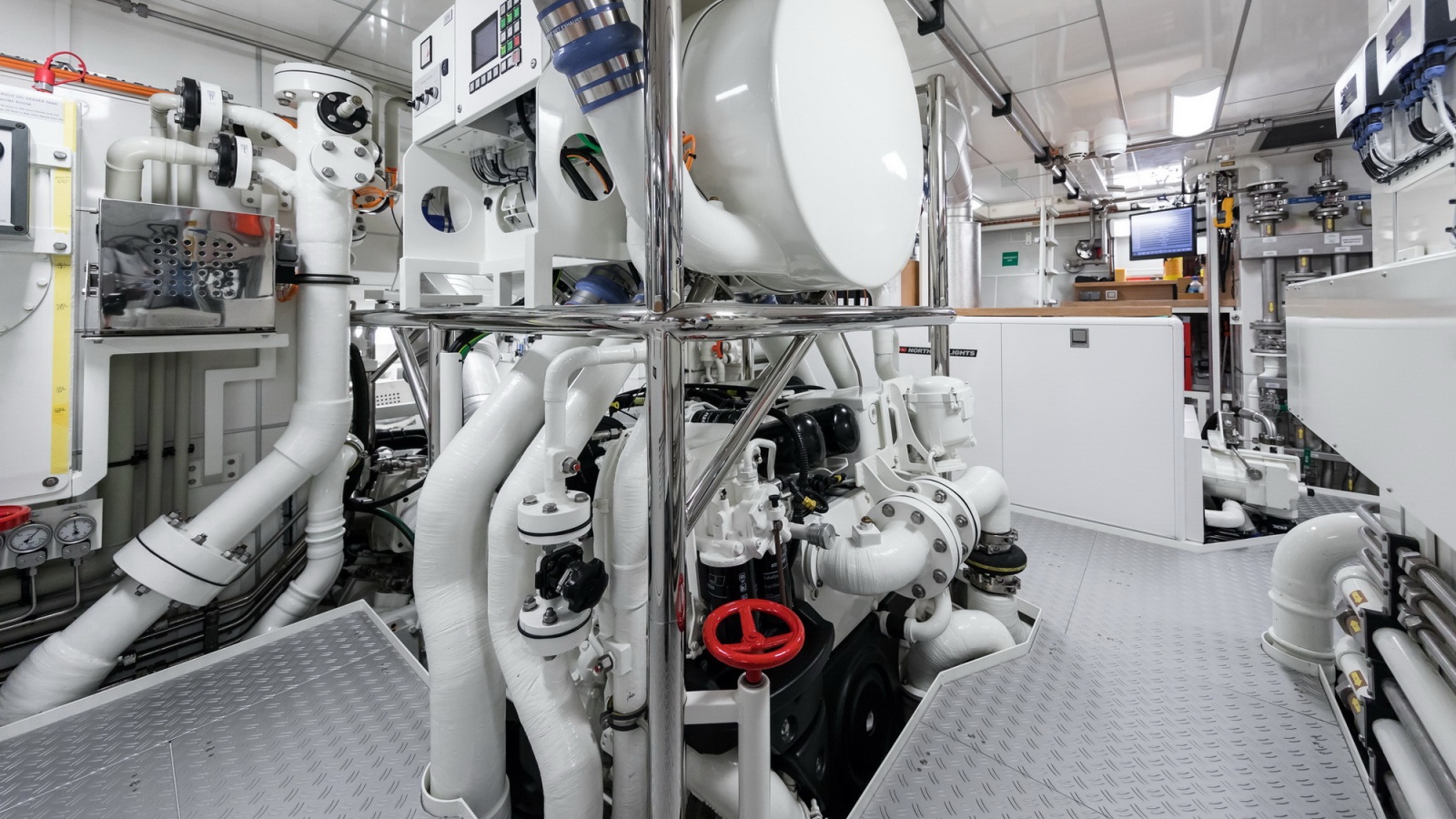
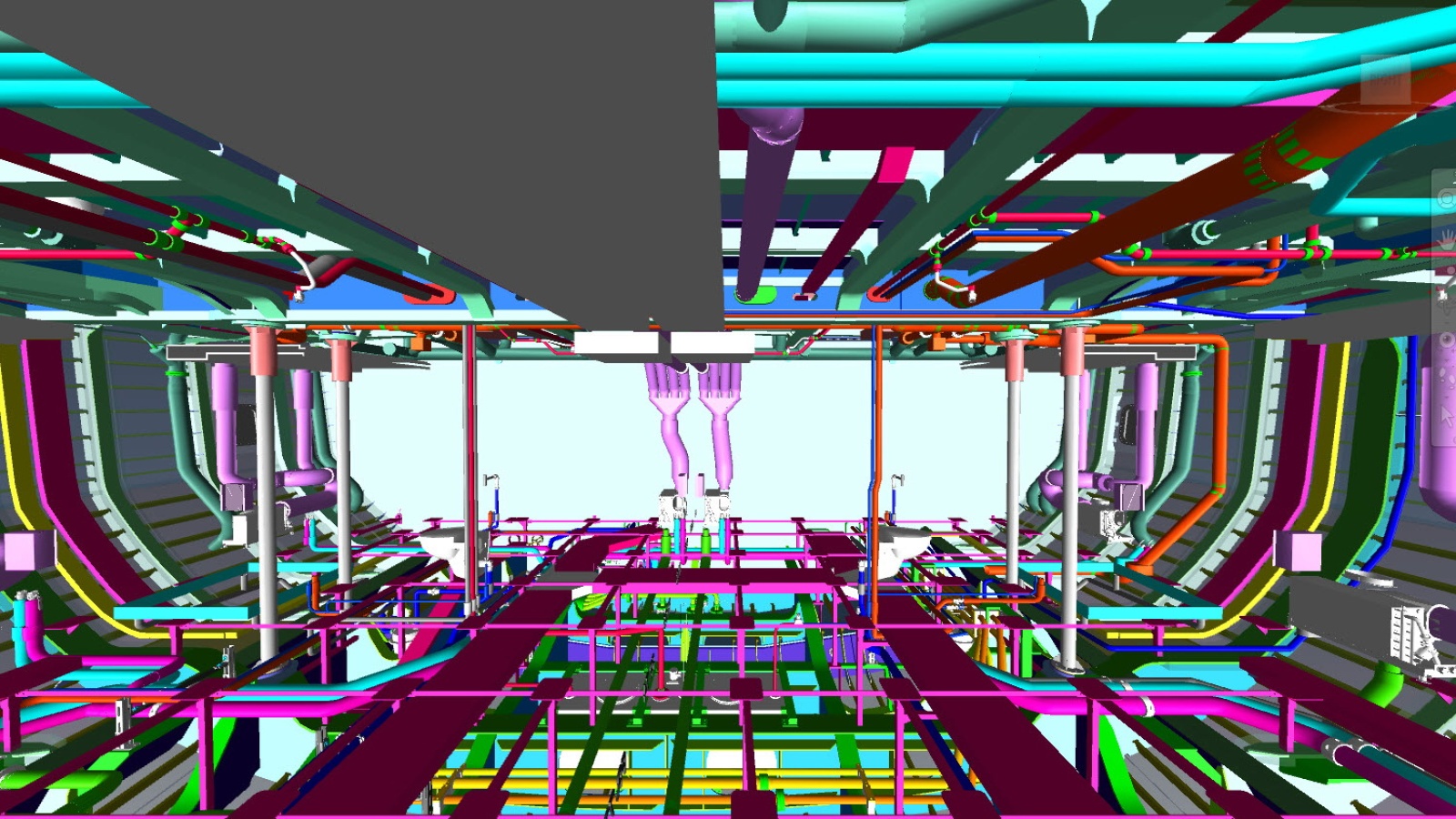
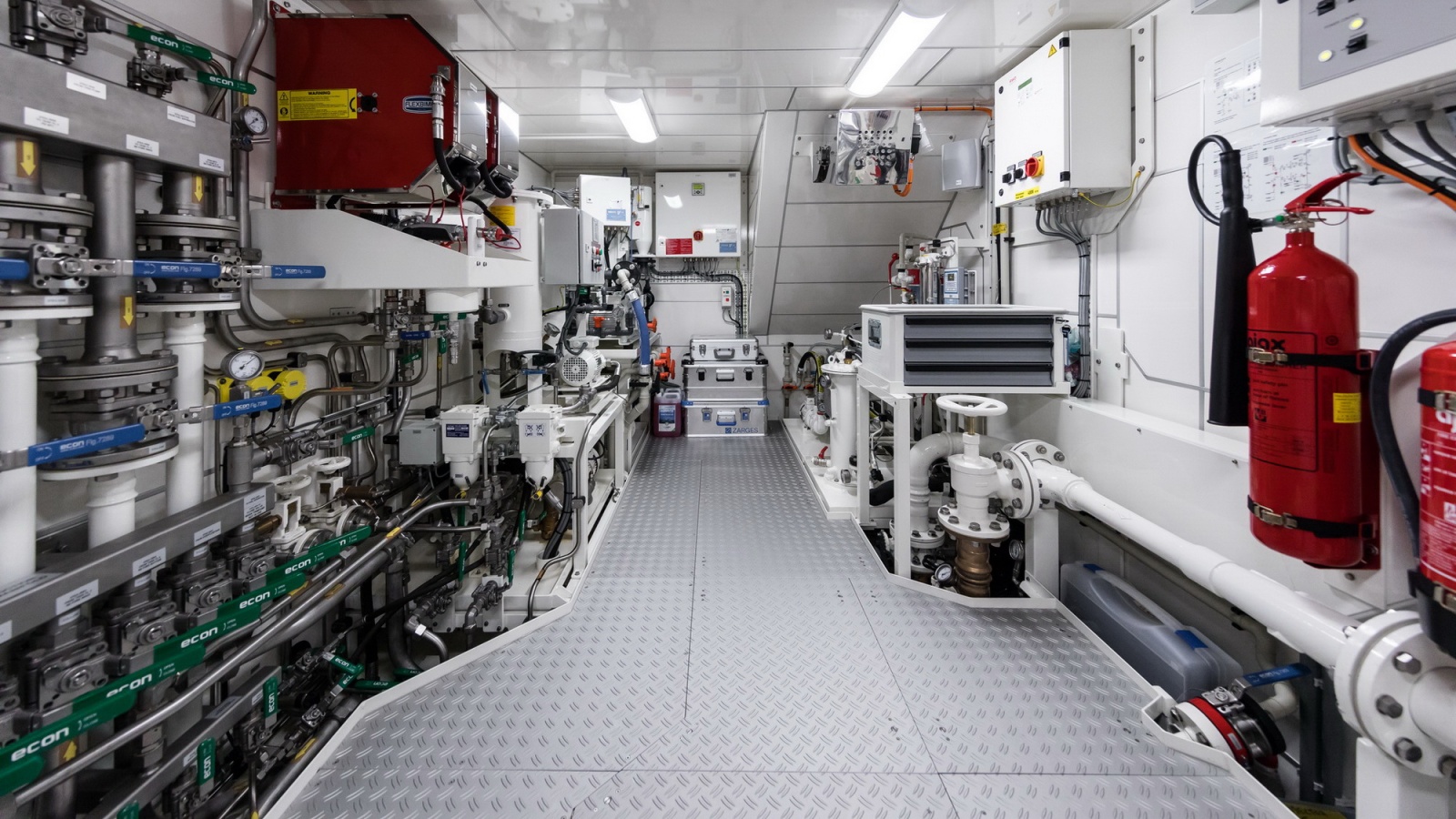
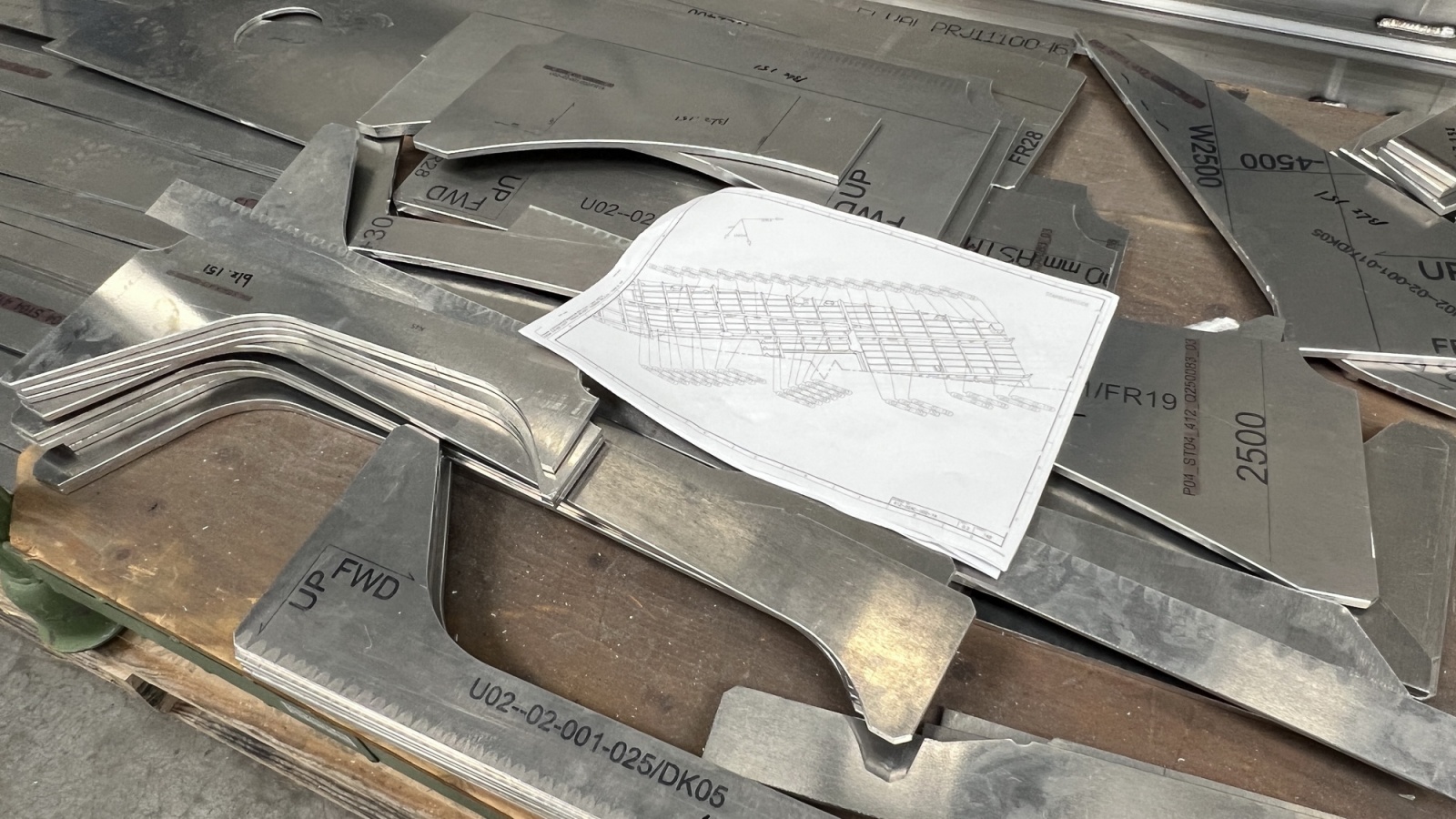
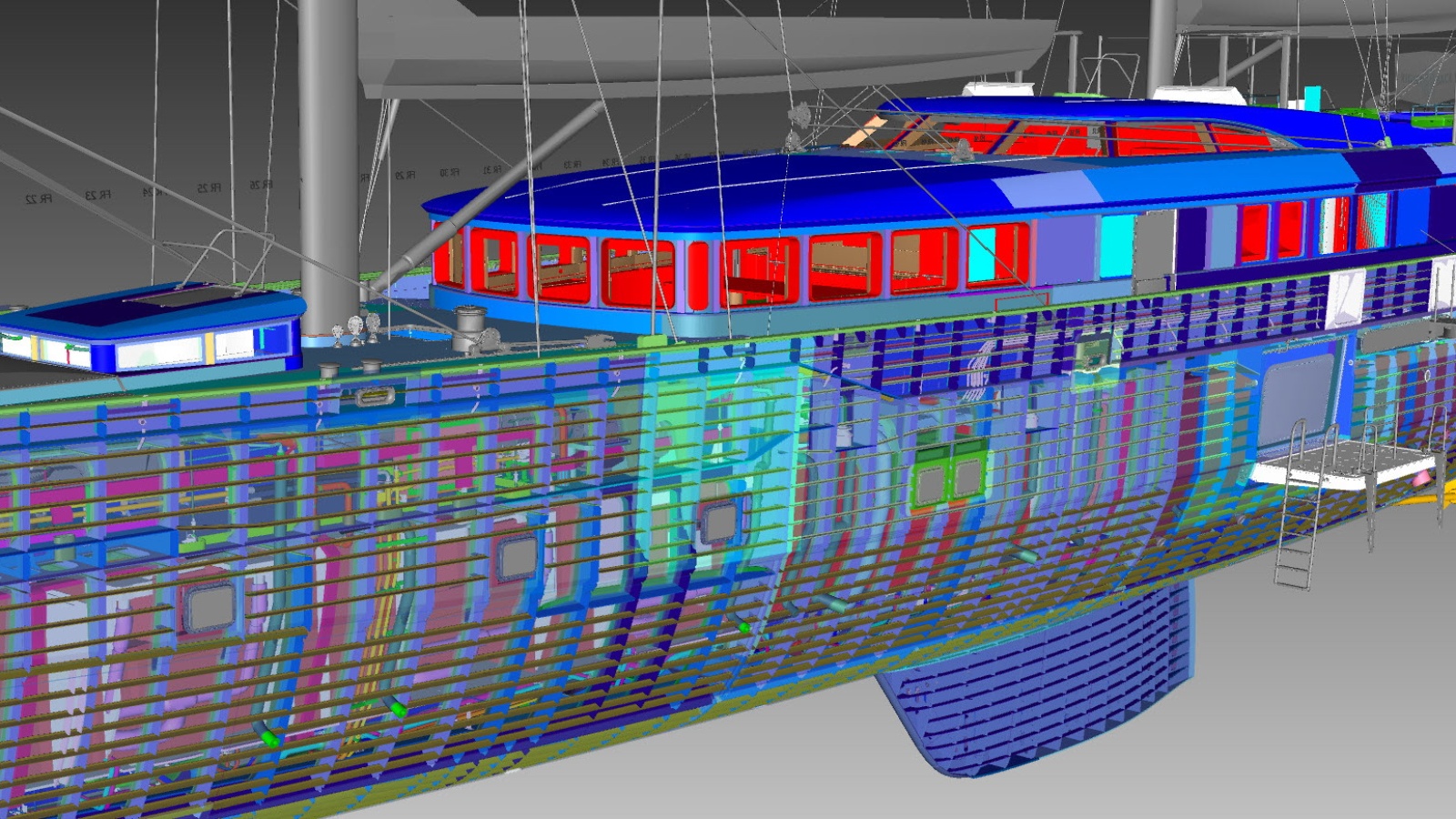
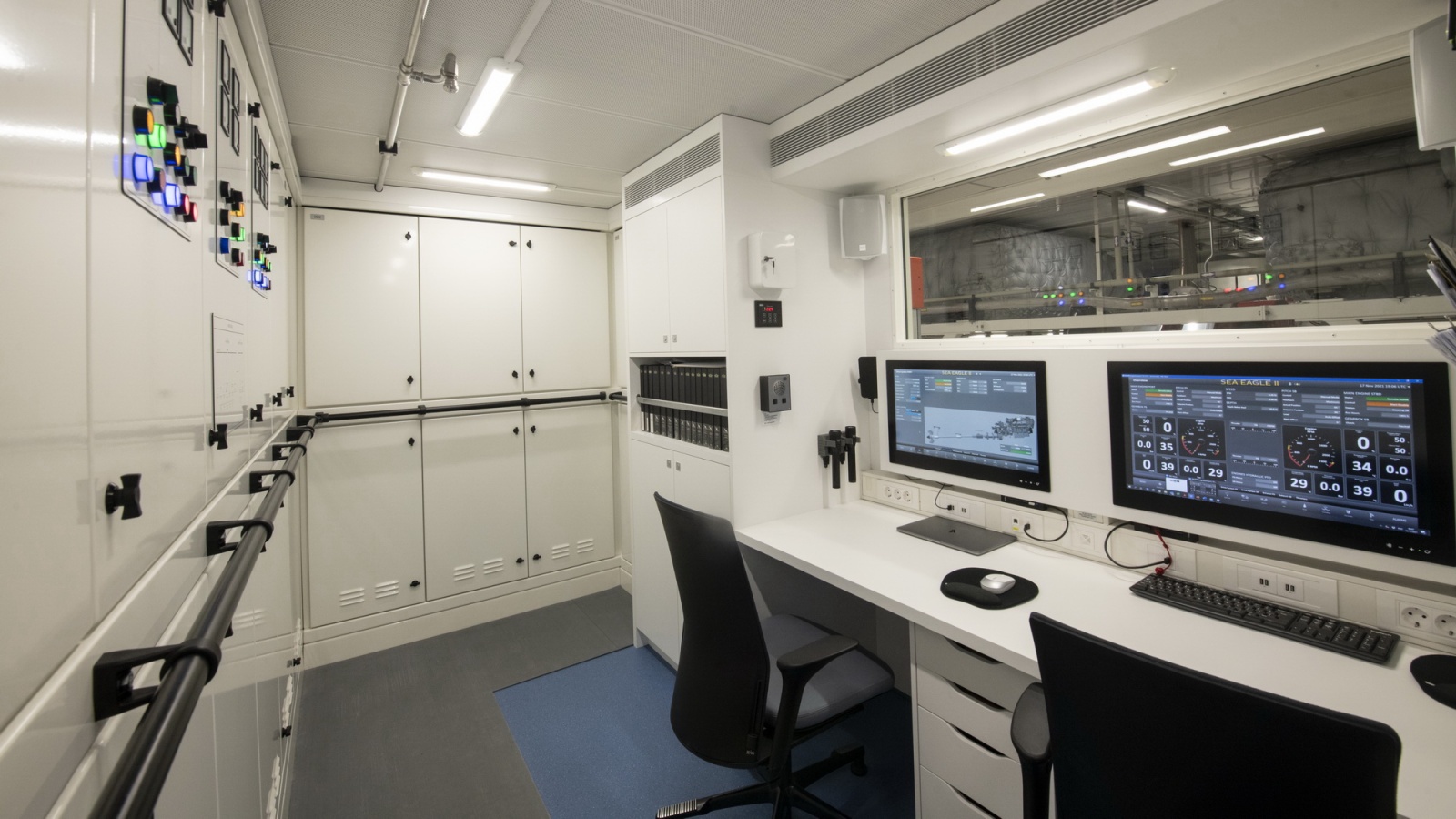
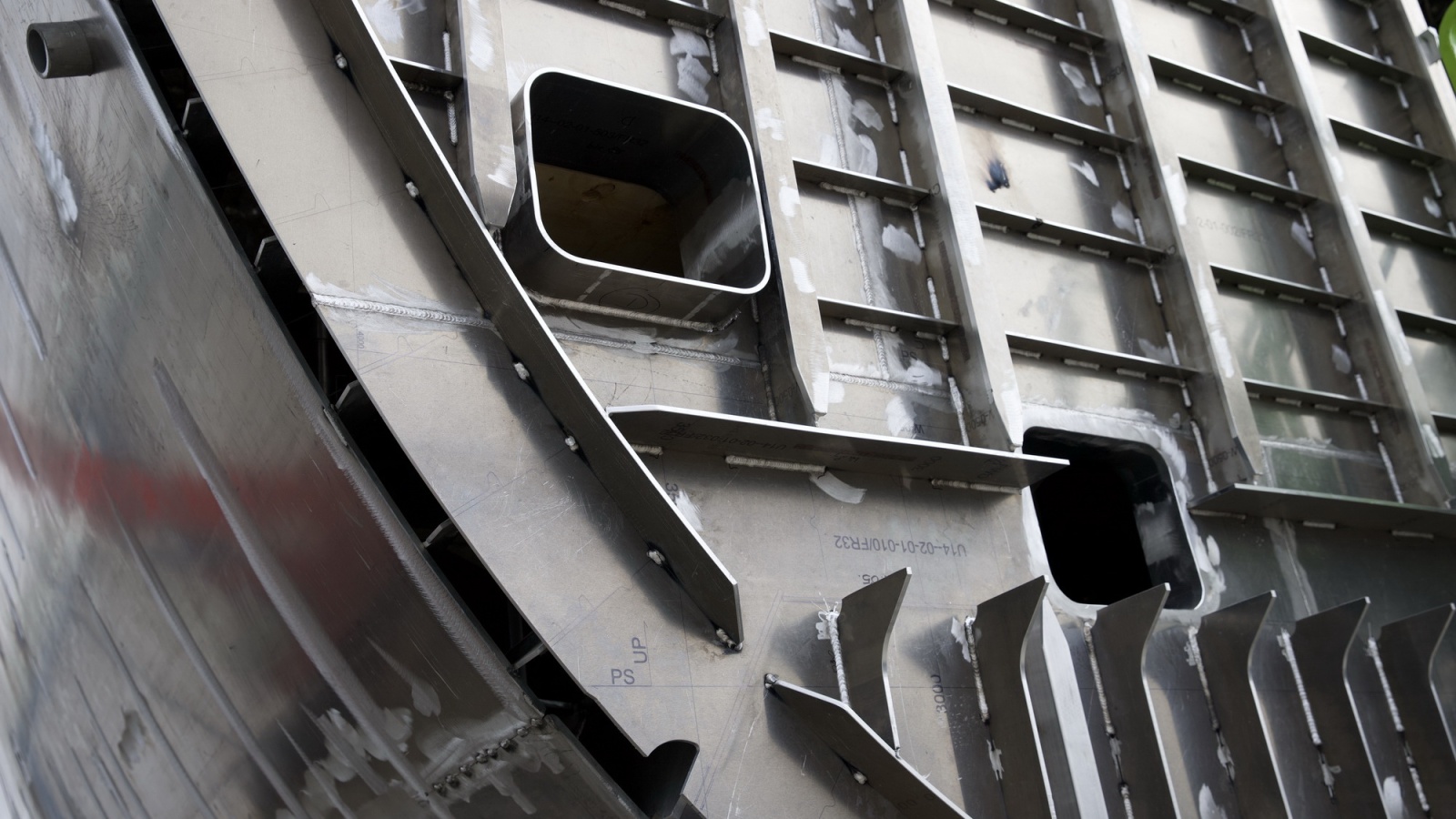
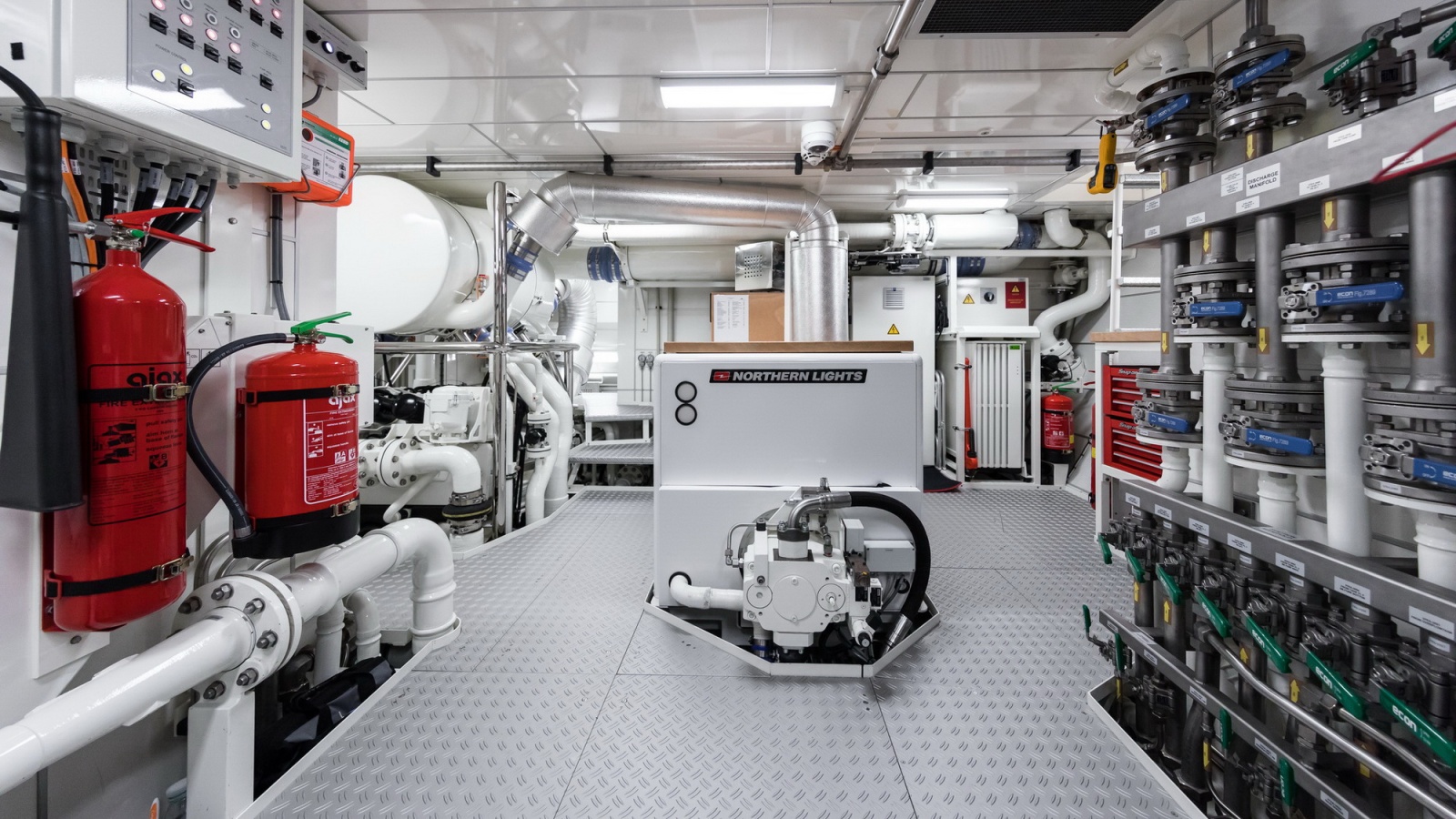
The same logic continues through the yacht. Construction uses unit coding, with hull units identified by a U code and serial number, starting at the forepeak. Interior uses area coding for spaces such as crew accommodation, guest accommodation, salon, deckhouse and owner’s accommodation. Technical Systems use section coding based on watertight compartments and deck levels, moving from forward to aft and from bottom to top. Financial coding links budgets, materials, and labour to the same engineering foundation.
“The Royal Huisman alphabet has become a language between crew and the shipyard team, ensuring effective communication.“
Continuity, captured in code
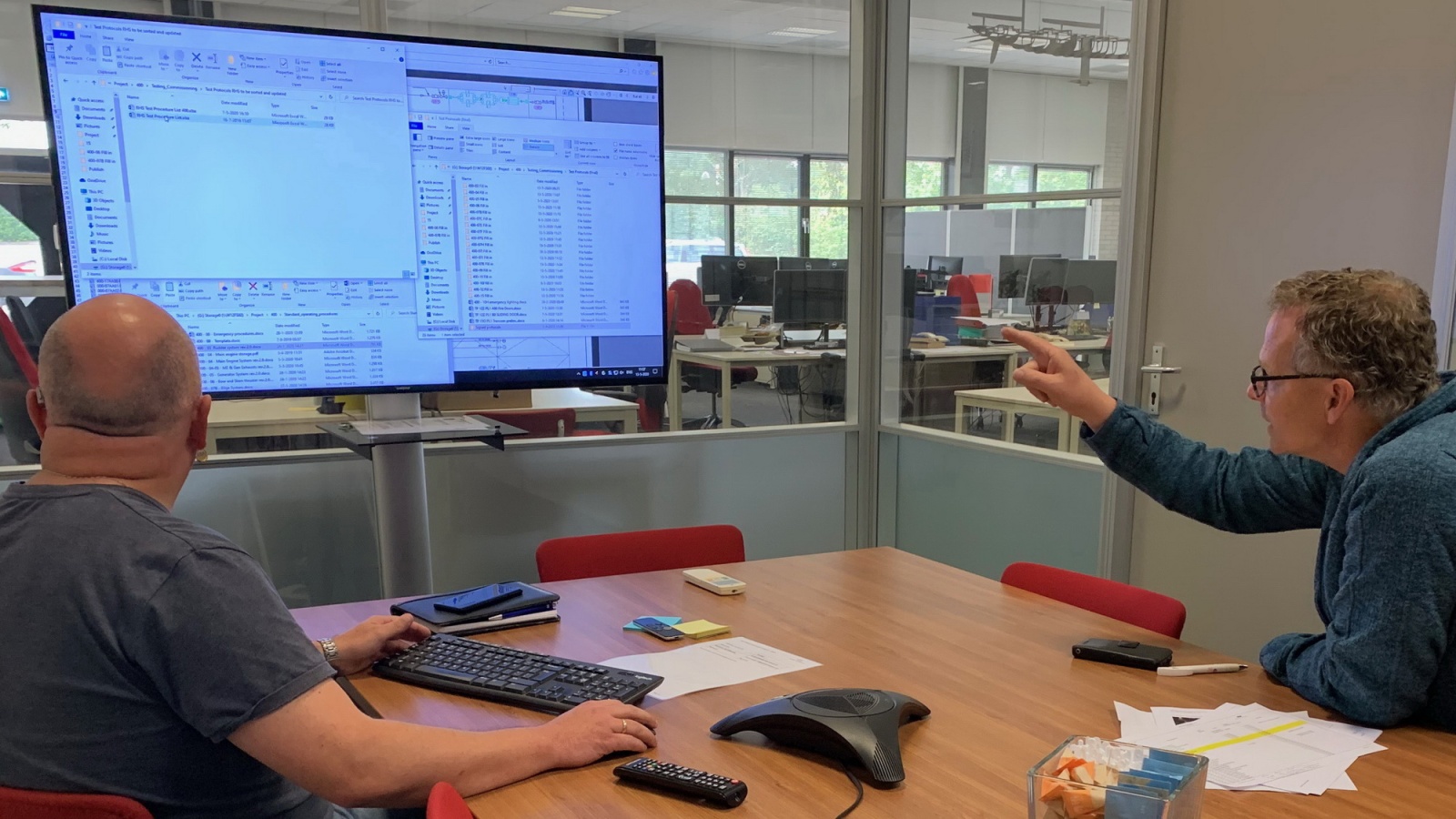
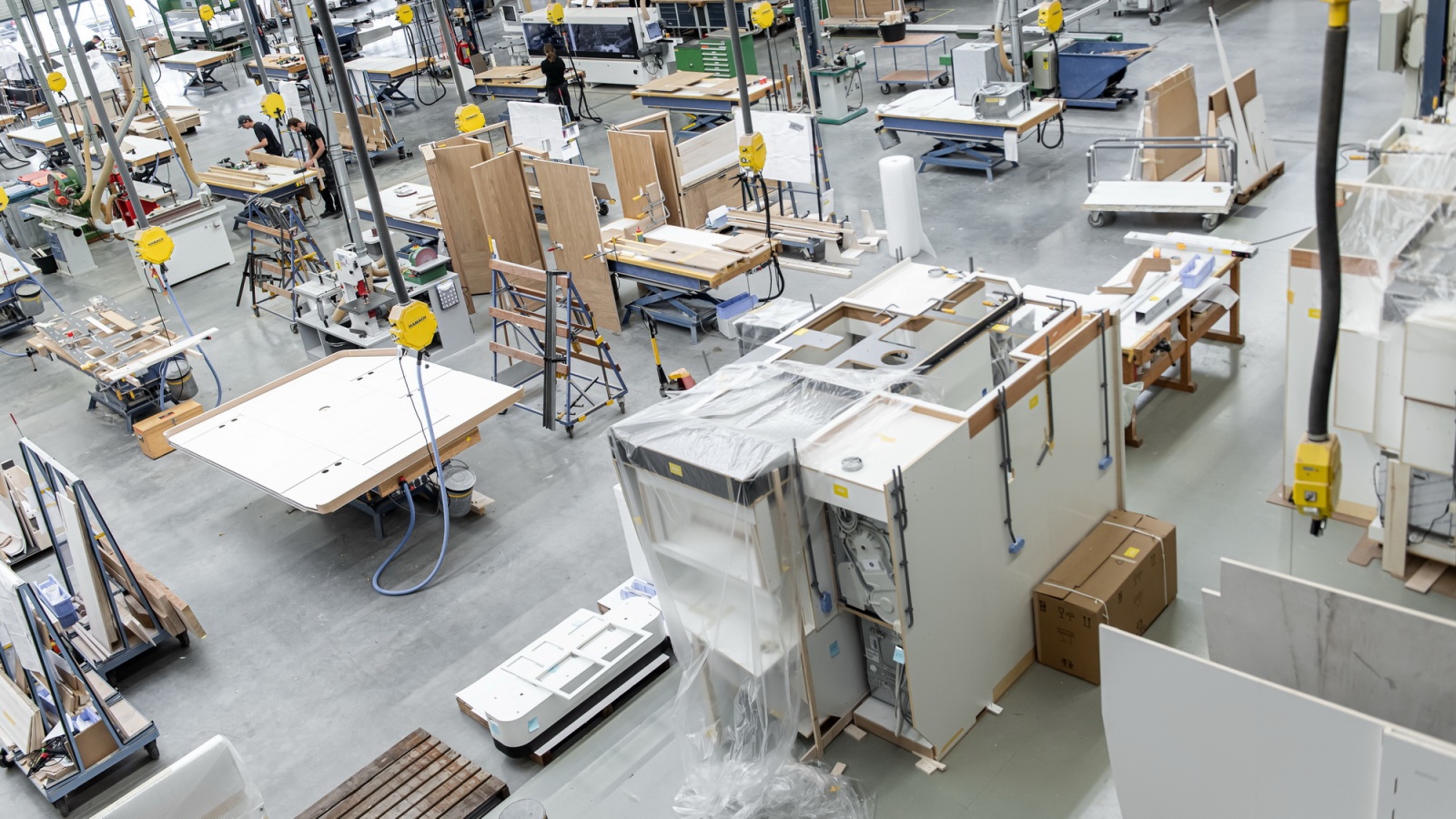
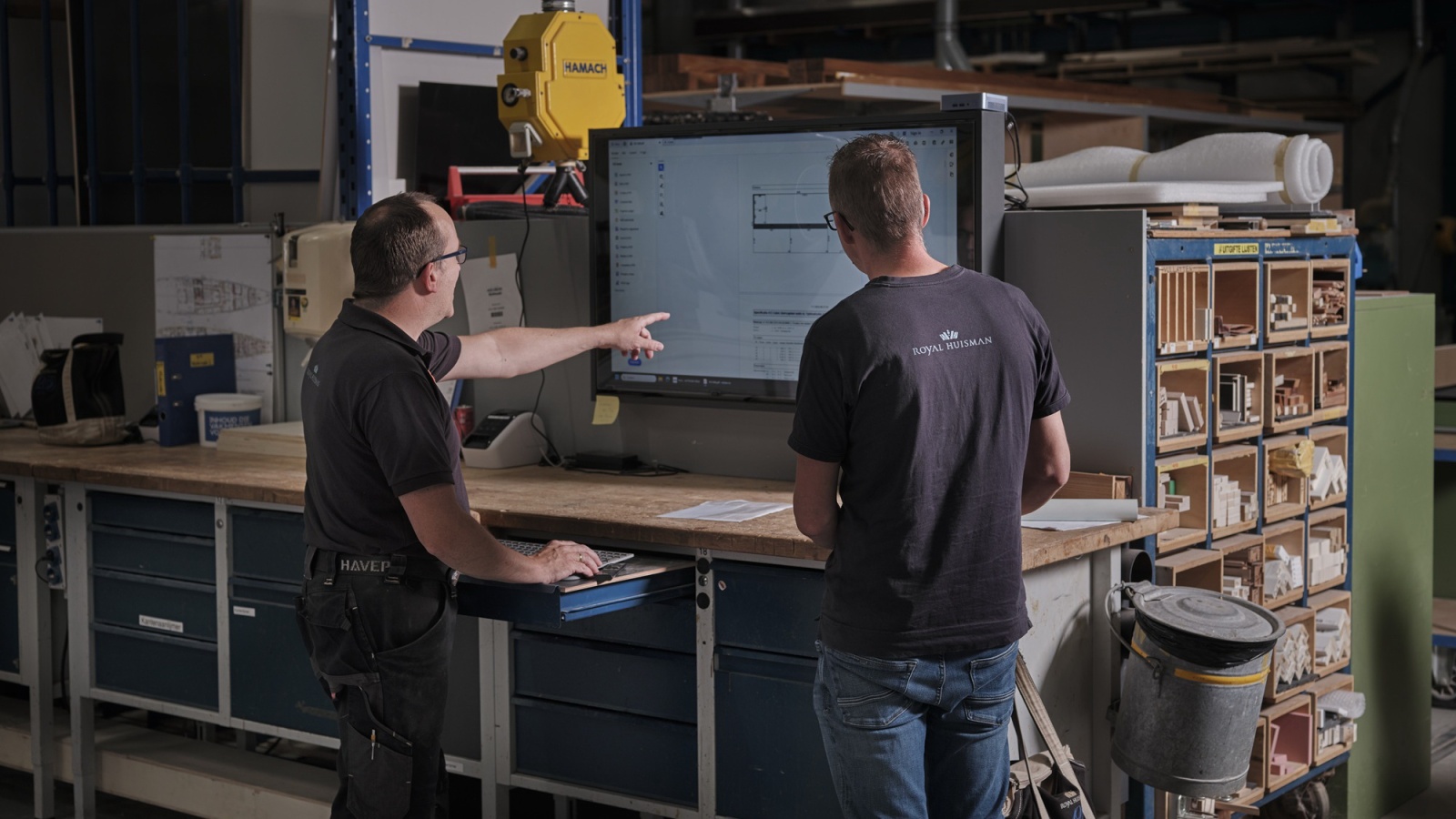
In daily use, the Royal Huisman alphabet helps different disciplines speak the same language. It connects the drawing office to the workshop, purchasing to project control, and the build record to future service and refit support. Years after launch, when a yacht is operating far from The Netherlands, the coding system supports the shipyard team and crew trace what was designed, built, installed, modified or maintained. It is not only administration. This alphabet has become a language between crew and the shipyard team, ensuring effective communication: it is continuity, captured in code.


